

10 Books That Should’ve Made That List—But Didn’t
A new list of “the best books of the century” has dropped. Predictably safe, occasionally brilliant, and glaringly incomplete. Here are the books they didn’t dare include—but maybe should’ve.
 Krista FreelandMarch 19, 20023 Mins read31
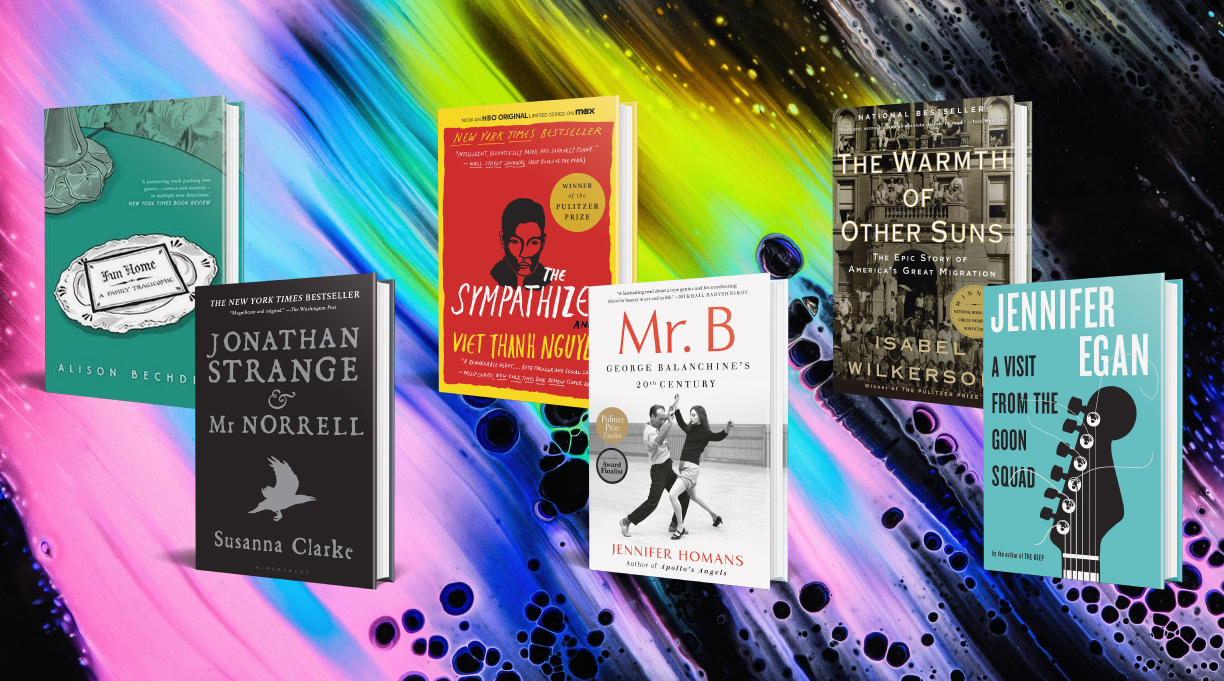
They tell us lists are definitive. Canonical. That some cabal of editors, critics, and cultural custodians knows which books deserve to define us. But as the new “Best Books of the Century” list made the rounds—its titles as polished as they were predictable—you could feel something humming underneath. Absences. Oversights. A quiet scream from the literary underworld: what about us?
The truth is, every list is also a performance. And this one felt like a curated dinner party where the guest list was impressive, but the conversation was flat. Here are the ten novels that didn’t make the cut—but might’ve left the biggest bruise if they had.
The Voices They Didn’t Invite
1. A Naked Singularity by Sergio De La Pava
A novel so unwieldy, so kinetic, it reads like someone slipped a legal thriller into a blender with metaphysics, police brutality, and cosmic absurdity. Self-published before it was crowned a cult masterpiece, it asks the kind of questions that real power doesn’t want answered. “Justice is just the word we use to cover the corpse,” one character mutters. The system isn’t just broken here—it’s devouring itself.
2. How Should a Person Be? by Sheila Heti
Too slippery, too self-aware, too pink. Heti’s autofictional mosaic doesn’t follow a plot—it circles a psychic void, asking whether a woman can write her way into meaning without becoming a brand. It was never about answers. It was about watching someone peel their identity in real time, and wondering if you’ve done the same without noticing.
3. The People in the Trees by Hanya Yanagihara
Before A Little Life made her infamous, Yanagihara wrote this grotesque, morally decaying portrait of a Nobel Prize-winning scientist whose brilliance masks something monstrous. Inspired by the real-life sexual abuses of anthropologist Daniel Carleton Gajdusek, it dares to ask if genius is ever worth the damage it leaves behind. No wonder the list skipped it.
4. NW by Zadie Smith
They gave her a nod for White Teeth, as if that was the whole story. But NW is the quieter revolution—fractured syntax, nonlinear lives, working-class London unglamoured and unredeemed. This is Zadie unmaking the novel from the inside out. It’s uncomfortable. It’s unsellable. It’s also genius.
5. Open City by Teju Cole
The flaneur is dead, they said. Cole resurrected him—with a global ache and postcolonial skin. A novel that drifts through New York and memory, excavating silence, trauma, and the ghosts we politely ignore. The narrator isn’t innocent, and that’s the point. To read this book is to realize how little you understand about the people you pass by.
The Books That Breathe Fire Quietly
6. Outline by Rachel Cusk
A book with no plot, no climax, no catharsis. Just one woman listening—and through her, exposing everyone. Cusk’s brutal, crystalline style turns conversation into confessional. It’s not what people say that matters here—it’s what they reveal while pretending not to.
7. A Tale for the Time Being by Ruth Ozeki
A Zen priest, a bullied Japanese teenager, a lunchbox that washes ashore in British Columbia. Ozeki weaves them together with quantum tenderness and epistemological edge. It’s about suicide and Schrödinger. Diaries and disaster. The past and present folding in on each other like origami. Too strange for lists, too honest to forget.
8. The Sellout by Paul Beatty
They gave him the Booker Prize, yes—but this novel still doesn’t get talked about the way it should. Satirical, savage, and smarter than most political discourse today, The Sellout is what happens when Black rage is sharpened into absurdist wit. It’s not a protest. It’s a scalpel. And it cuts deep.
9. The Argonauts by Maggie Nelson
A love story? A queer manifesto? A meditation on motherhood, language, and desire? It doesn’t matter. Nelson dissolves form with the elegance of acid, quoting Barthes and birthing babies in the same breath. “I want to live in the space where fiction and nonfiction melt into each other like shadows,” she writes. Mission accomplished.
10. Dept. of Speculation by Jenny Offill
A novel in fragments. A marriage in entropy. Offill’s brilliance lies in what she omits—the way she turns white space into narrative tension. It’s not grand. It’s devastating. Like hearing your future slip through a crack in the wall.
We’ve all seen the list. We’ve all sighed, nodded, maybe even agreed. But we also know what wasn’t there—what couldn’t be there. The books too raw, too real, too unwilling to be anthologized. Maybe that’s what makes them essential. Maybe the best literature of the century won’t be found in the canon, but in the footnotes—whispering, you missed something.
- best books not on the list
- best books of the 21st century
- best novels 2000s
- book awards snubs
- books that should be classics
- controversial book lists
- fiction that matters
- hidden gem novels
- ignored masterpieces
- literary gaslighting
- must read literary fiction
- overlooked contemporary literature
- top books of the century
- underappreciated authors
- underrated modern novels



When “107 Days” Meets Outcry: Harris’s Book Tour Interrupted
The microphone crackled to life, and before Harris could finish her opening...
 Chris Marks1 Mins read
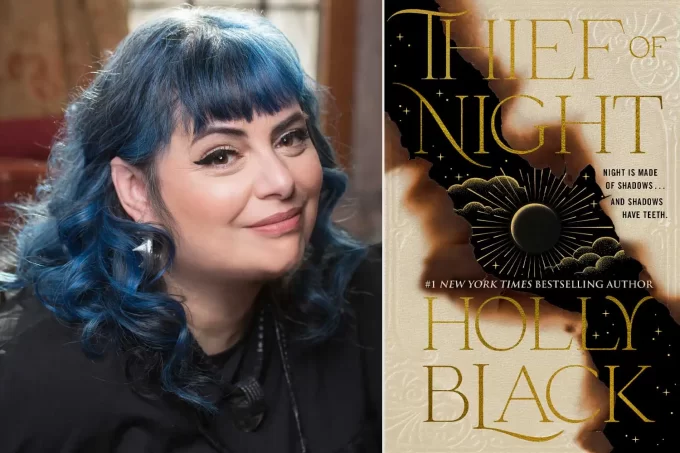
Whispers in the Shadows: Why Holly Black’s Sequel Is a Dark Invitation We Can’t Ignore
The night isn’t just dark—it’s ravenous, greedy, and it’s coming for you....
Chris Marks2 Mins read
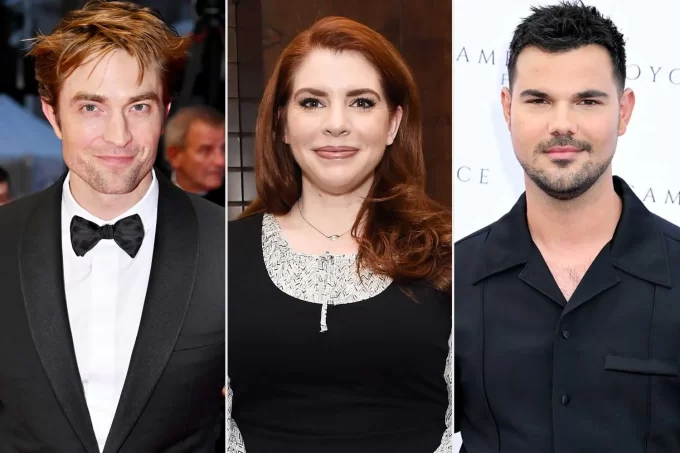
Why Stephenie Meyer’s Regret About Edward Changes Everything You Thought You Knew
The moment Stephenie Meyer admitted she wouldn’t pick Edward Cullen today, a...
Chris Marks2 Mins read

When Fear, Fury & Feathers Collide: Cinema, Superheroes, and a Confessional Album
Open with tension—the kind that threads through a scream, a reveal, and...
Chris Marks2 Mins read




Leave a comment