The Secret Language of Mom-Approved Beauty
What do mothers and editors know that the rest of us keep forgetting? These ten beauty products don’t chase trends—they rewrite the rules, softly.
 Kirsten CollinsApril 13, 20252 Mins read37
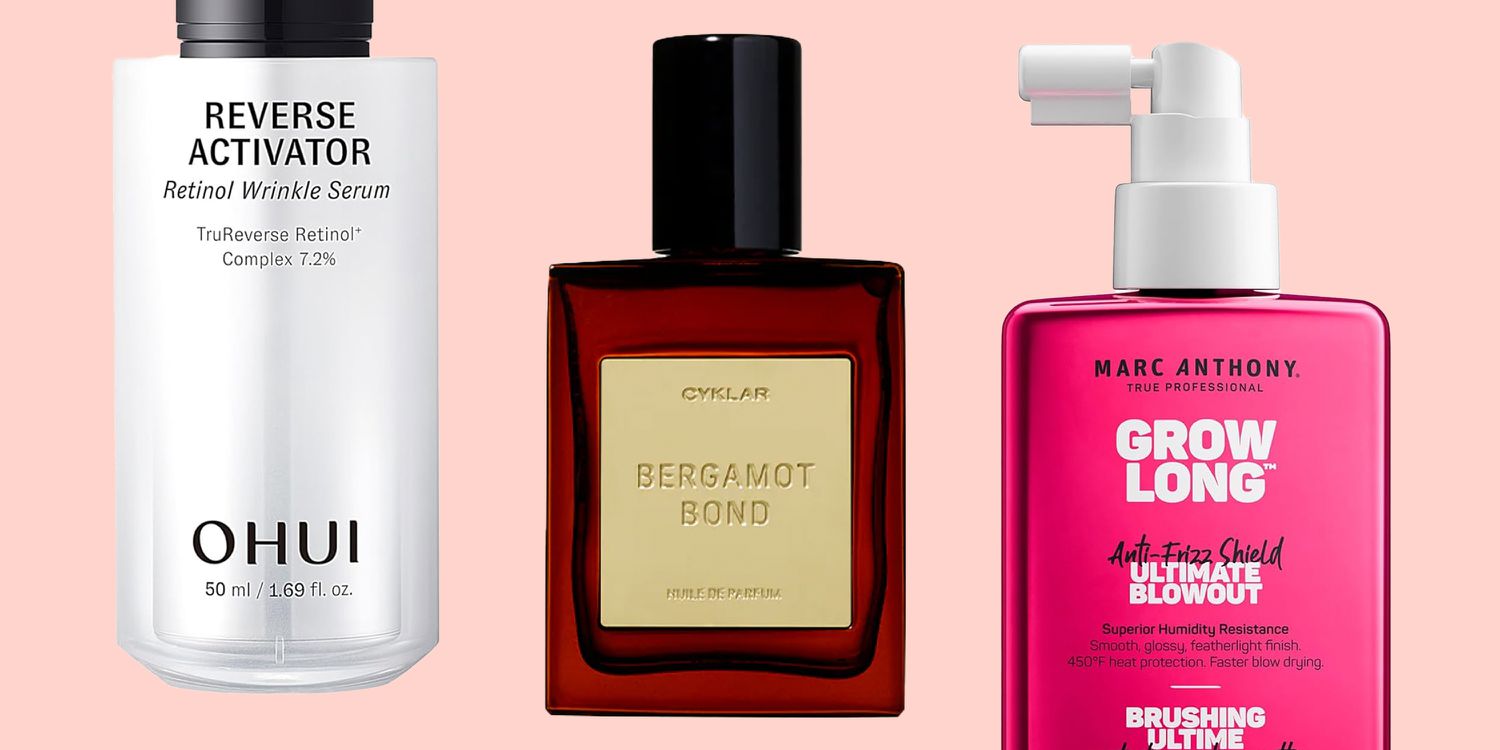
Ohui / Cyklar / Marc Anthony
She had no idea what serum I used, but she knew something had changed. “You look rested,” my mother said. Not younger. Not prettier. Rested. It was the most intimate compliment I’ve received in years—and she didn’t mean it as one. That’s the power of beauty that works. Not to impress the mirror, but to make you appear more yourself, to those who know you best.
The market is saturated with solutions for problems we didn’t know we had—blue-light eye creams, collagen mists, vibrating lip oils—but this list of mom-and-editor-approved products cuts through that noise like a clean swipe of micellar water. These aren’t products with flash or fanfare. They’re the ones quietly passed between generations, or snagged by an overworked beauty editor who’s seen too much and still believes in very little. And yet—she believes in these.
The Difference Between a Trend and a Truth
There’s a kind of genius in the quiet product. A concealer that doesn’t crease. A moisturizer that disappears but leaves behind calm. A blush that looks like last weekend’s memory. These are not viral. They are not aesthetic. They are survival.
Beauty editors, especially the seasoned ones, are the closest thing we have to professional skeptics. They try everything. They roll their eyes. But ask them what they use, what they buy again, and you’ll often find the same answers as your mother’s medicine cabinet: Aquaphor. CeraVe. A Guerlain lipstick in a shade no one else can pull off but somehow she can.
One editor told me, “It’s not about what looks good in a flatlay—it’s about what still works when your kid has a fever, your deadline is in 40 minutes, and you’ve slept four hours in two nights.” Practical beauty becomes profound when life doesn’t pause for glam.
When Function Becomes Seduction
These ten chosen products don’t pretend to be everything. They simply do one thing exceptionally well. A hydrating balm that revives windburned skin. A retinol that doesn’t require a dermatologist on speed dial. A mascara that doesn’t flake, even when you cry in the parking lot. And somehow, that becomes enough.
In a way, these items become relics of a deeper trust—maternal, editorial, ancestral. The kind of beauty that doesn’t try to erase your life, but carries it. You’ll find traces of rituals here. Night creams patted in with the same hands that once buttoned your coat. Foundations that match not just your skin tone, but your real tone—the one that says: “This is who I am, no filter required.”
Maybe the future of beauty isn’t in the next new thing, but in the wisdom of what remains. Maybe the secret is not innovation, but intuition. And maybe the most radical product isn’t the one that transforms you—but the one that lets you rest.
What happens when beauty stops chasing approval and starts becoming memory?






The Velvet Rope Has Frayed: Saks Fifth Avenue Just Walked into Amazon’s Living Room
They didn’t hear the door creak open—but it did. In a move...
Kirsten Collins2 Mins read

The Face That Didn’t Fit: Meghan, Beauty, and the Industry’s Silent Criteria
They never said it outright. They didn’t need to. Silence, when paired...
Kirsten Collins2 Mins read
15 Moon Tattoo Ideas for a Celestial Piece That’ll Fit Each Phase of Your Life
When it comes to getting permanent art tattooed on your body, there...
Kirsten Collins3 Mins read
The Dip That Won’t Chip: Is Your Manicure Hiding Something?
No one talks about what happens to softness when you dip your...
Kirsten Collins1 Mins read




Leave a comment