

The Most Dangerous Season in Sports Isn’t the One You Think
The NFL’s 2025 training camp isn't just about playbooks and reps—it’s where futures are decided in seconds and empires crack without warning. What happens in July echoes long after the confetti falls.
 Joseph BennettJuly 28, 20252 Mins read25
The silence was louder than the pop. One moment, Cowboys rookie Tyler Guyton was anchoring the line like a rising star. The next, he was on the ground—motionless, the air so thick with dread that even the cameras hesitated. No season ever begins here, yet careers often end before they begin. Welcome to the NFL’s most deceptive ritual: the training camp.
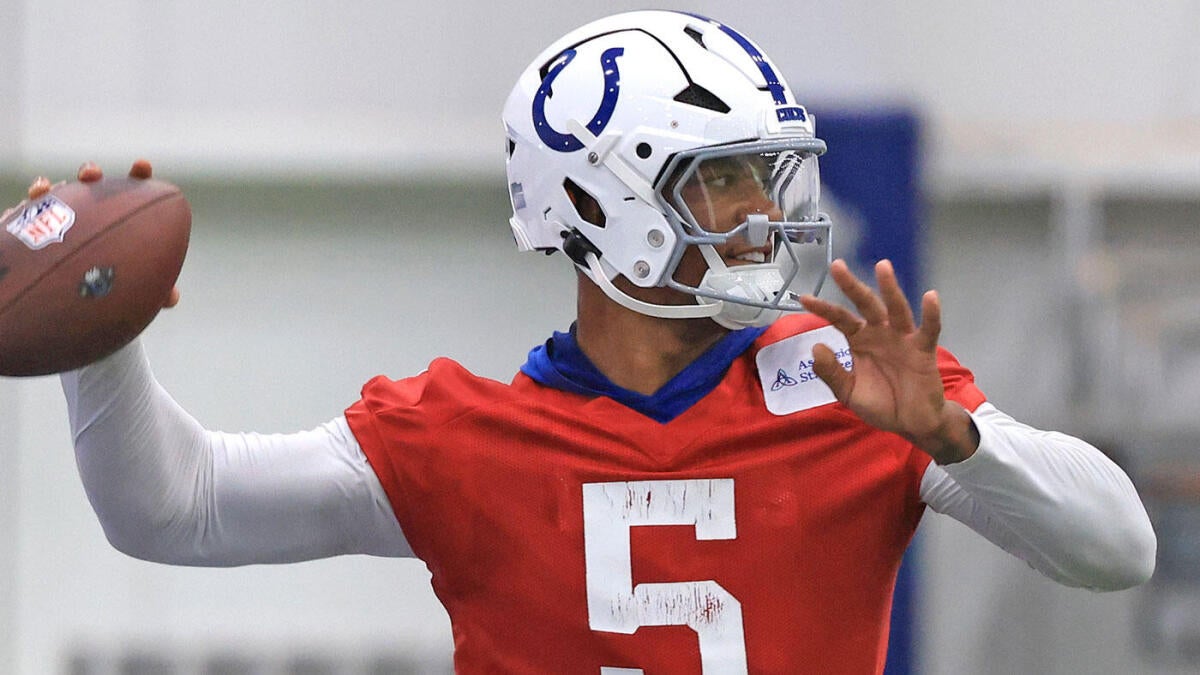
It’s sold as preparation, a sunlit tune-up for America’s most cinematic sport. But inside the padded drills and orchestrated optimism lies a truth the league rarely markets—this is not just where plays are drawn, it’s where pecking orders are rewritten, and sometimes, undone. As the Colts’ Anthony Richardson carved up defenses with newfound composure, elsewhere, silence was spreading like a bruise.
Where Promise Meets Pressure, and Pain Doesn’t Wait
Anthony Richardson had one of those days that turn whispers into declarations. Sharp throws, precise movement, leadership that looked less like hope and more like inevitability. “He’s not just better,” said a Colts insider, “he’s becoming the guy.” But football is cruel to momentum—it never lets it exist in isolation.
Because while quarterbacks rise, linemen fall. Guyton’s injury isn’t just a blow to Dallas—it’s a reminder of football’s most unspoken rule: every breakout needs a bodyguard. And when the rookie you drafted to protect your empire crumbles in a non-contact drill, you realize July isn’t soft—it’s a battlefield disguised as a warm-up.
Every route run in these camps isn’t just a rep—it’s a referendum. Coaches aren’t watching to see who’s good. They’re watching to see who survives.
The Violence Between the Lines Isn’t Always Physical
Behind the highlights and hopeful headlines, there’s a different kind of war being fought. Between young talent and veterans holding onto relevance. Between expectations and reality. Between owners promising change and rosters built on tradition. Training camp is the NFL’s theatre of the absurd—ritualized performance where stars must justify their shine while rookies claw at legacies they didn’t ask to challenge.
This is where dynasties begin not with victories, but with quiet decisions in back offices: who gets reps, who gets cut, who gets protected. The players feel it. The coaches know it. And the fans? They only see the version that makes it to Week One.
But maybe that’s the point. Maybe the NFL understands that the beauty of the game isn’t just in what it shows—but in what it hides. July is less about football and more about mythology: crafting the illusion that what happens next was always inevitable.
The crowd will remember Richardson’s arm. They’ll forget Guyton’s silence. But when January comes and teams collapse under the weight of what could’ve been, they’ll look back and wonder—did the season really start in September, or did it slip away in the heat of July?
And if football is war, then training camp is its preamble—full of false peace, quiet casualties, and legends forged before the anthem ever plays.






Barcelona’s Fragile Pursuit: When Injuries Threaten More Than Just a Season
A silence spreads over Camp Nou that no roar can drown out—two...
 Chris Marks2 Mins read
William Saliba: Arsenal’s Silent Architect or Its Greatest Gamble?
The air inside the Emirates shifts with unspoken tension—William Saliba, once a...
Joseph Bennett2 Mins read
Joel Embiid’s Quiet Confidence: Is the 76ers’ Giant Ready to Rewrite His Story?
Joel Embiid is rarely one to make noise without purpose, and now,...
 Kirsten Collins1 Mins read
Juventus, Atalanta, and Arsenal’s Quiet Revolution: What’s Really Shaping This Week in Football?
The roar of Serie A stadiums masks a subtle shift, one that...
Kirsten Collins2 Mins read





Leave a comment