

The Dip That Won’t Chip: Is Your Manicure Hiding Something?
Dip powder manicures promise thirty days of flawlessness—but behind their perfect shine lies a quiet obsession with durability, control, and disappearing softness.
 Kirsten CollinsApril 15, 20251 Mins read45
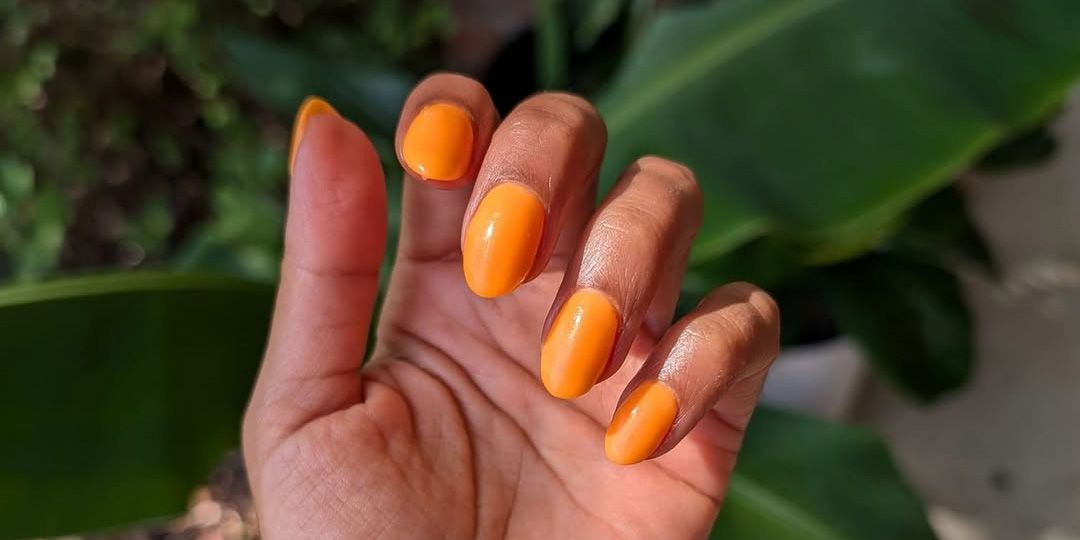
No one talks about what happens to softness when you dip your fingertips in powder and seal them in perfection for 30 days. The gloss gleams like lacquered porcelain, unmoving and unbothered. No chips. No frays. Just color—intact, obedient, endlessly smooth. But when did we start measuring beauty by its ability to never break?
The dip powder manicure has become the holy grail of nail treatments: tougher than gel, cleaner than acrylic, built for the woman who has no time for smudges or slips. She moves through meetings, martinis, and Monday meltdowns with not a single crack in sight. But beneath that titanium polish, what is she protecting? What is she hiding?
Perfection, Pressed Into Powder
Thirty days. That’s how long these nails claim to last—outliving boyfriends, deadlines, even whole seasons of our lives. They promise a kind of permanence in a world that peels too quickly. But isn’t there something eerie about how we worship surfaces that don’t change?
The rise of the dip isn’t just a beauty trend—it’s a cultural whisper. An unspoken craving for order, for edges that never fray. In a chaotic world, our nails have become tiny totems of control. As one salon artist told me between brush strokes, “Clients don’t want pretty anymore—they want power. Bulletproof tips.”
Yet in all that strength, the body disappears. The natural nail, soft and imperfect, is buried beneath layers of color and resin. Out of sight. Out of touch.
What Are We Really Dipping Into?
We don’t just polish anymore—we armor. These manicures aren’t about fashion. They’re about performance. About looking “done” when you feel undone. About crafting a façade so polished that no one thinks to ask what’s beneath it.
In dip powder culture, there’s no room for chipped polish or hangnails that speak of a day gone wrong. Everything must be pristine. Even when nothing else is. Perhaps that’s why the appeal stretches beyond beauty: it’s survival, powdered and pressed onto fingertips.
But beauty that doesn’t bend eventually cracks. The question is: will we even see the fracture when it happens?
There’s a seduction in the unflinching, the unchipped. But maybe the next evolution of beauty isn’t in how long something lasts—it’s in how willingly it changes.







The Velvet Rope Has Frayed: Saks Fifth Avenue Just Walked into Amazon’s Living Room
They didn’t hear the door creak open—but it did. In a move...
Kirsten Collins2 Mins read

The Face That Didn’t Fit: Meghan, Beauty, and the Industry’s Silent Criteria
They never said it outright. They didn’t need to. Silence, when paired...
Kirsten Collins2 Mins read
15 Moon Tattoo Ideas for a Celestial Piece That’ll Fit Each Phase of Your Life
When it comes to getting permanent art tattooed on your body, there...
Kirsten Collins3 Mins read

The $17 Secret: Why Jennifer Garner’s Beauty Routine Stings a Little
She could wear La Mer on her cheeks and Guerlain on her...
Kirsten Collins2 Mins read




Leave a comment