

The 10-Day Man: Why the 49ers Cut a First-Round Pick Before His Jersey Wrinkled
He signed. He posed. He vanished. In a league built on hype and half-lives, why did the San Francisco 49ers cut a former first-rounder just 10 days after welcoming him?
 Chris MarksAugust 7, 20252 Mins read21
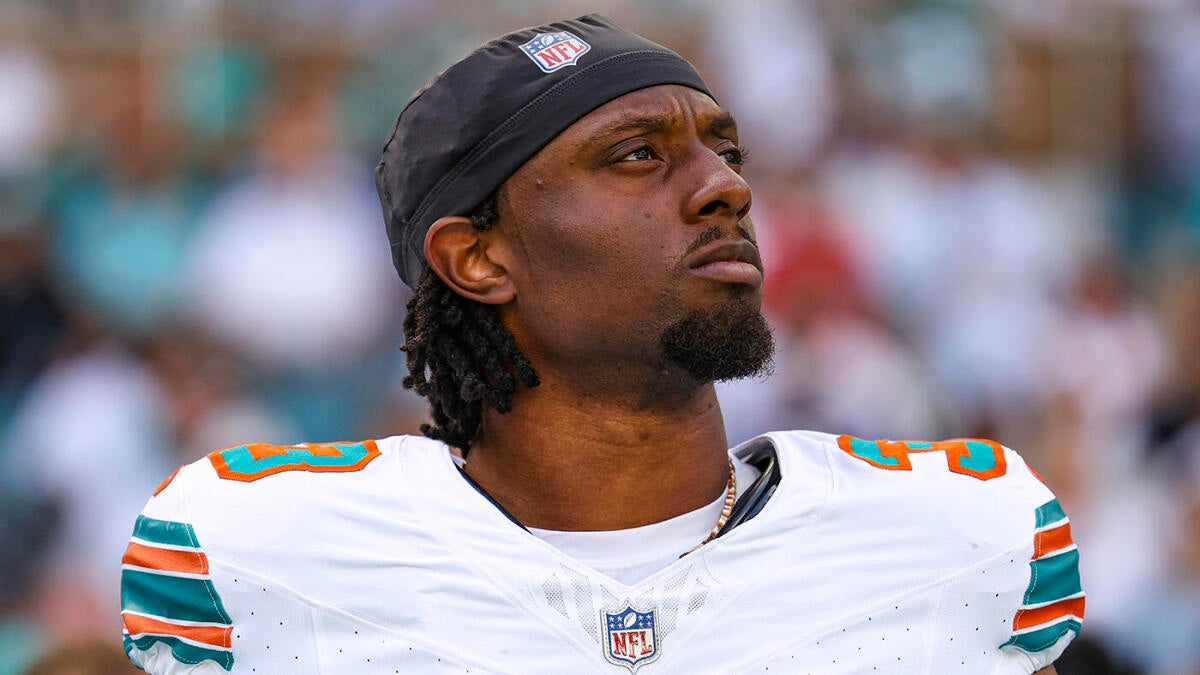
The ink on the contract was barely dry when the San Francisco 49ers made him disappear.
Defensive end Noah Spence, once a first-round promise turned NFL journeyman, was brought in on a one-year deal that looked like a low-risk, high-upside move. Ten days later, the team cut him like he never existed. No injury report. No scandal. Just a name erased from the roster, like a chalk line wiped from the boardroom floor. And in a league where even scandal gets a press release, the silence was deafening.
A former Ohio State star turned Eastern Kentucky redemption project, Spence has long been a cipher for the NFL’s moral gray zone—raw talent packaged in hope and caution tape. He was supposed to be a feel-good comeback story. Instead, he’s become something closer to a ghost in cleats.
The League of Vanishing Acts
There’s something deeply American, even gladiatorial, about watching men rise and fall in the coliseum of professional sports. But Spence’s abrupt departure from the 49ers feels different—not dramatic, but clinical. It was as if the team decided mid-sentence to edit him out of the script entirely. No character arc. No tragic downfall. Just delete.
We ask ourselves why—was it fitness? Fit? Politics? Or is it the quieter truth that the NFL, with all its spreadsheets and scouts, has simply become allergic to uncertainty? “The leash gets shorter every year,” one league insider said offhandedly, “and some guys never even feel the tug before they’re out.” It wasn’t bitterness, it was resignation.
When teams are no longer waiting for players to fail, but preemptively discarding them before the fans can ask questions, are we still watching a sport—or an algorithm in shoulder pads?
Hype, Hope, and the Half-Life of a First-Rounder
The myth of the “first-round pick” is one of the NFL’s last enduring illusions—an inheritance of greatness that, frankly, expires faster than a cup of training camp coffee. For every Mahomes or Watt, there are dozens of Spences: young men thrust into bright lights only to be quietly ushered out the service door. And the public rarely blinks.
But what does it say about a franchise like the 49ers—one known for precision, pride, and past glory—that they signed a man only to cut him before he could unpack? Is this ruthless efficiency, or a cultural shift toward disposability masquerading as strategy?
Somewhere, Spence is probably training again, waiting for the next call. Or maybe he’s done waiting. Maybe he’s just done. The league will never tell us. The story will quietly dissolve, like so many others, into that endless offseason fog where stats live and souls vanish.
He showed up in Santa Clara and disappeared before the jerseys hit the racks.
And still, the question lingers—was this about football, or about fear? Fear of aging bodies, of bad press, of sunk costs. Fear that if they gave him even a snap, someone might have seen something—promise, failure, or maybe just a man trying to stay relevant in a game that now prefers ghosts.




Barcelona’s Fragile Pursuit: When Injuries Threaten More Than Just a Season
A silence spreads over Camp Nou that no roar can drown out—two...
Chris Marks2 Mins read
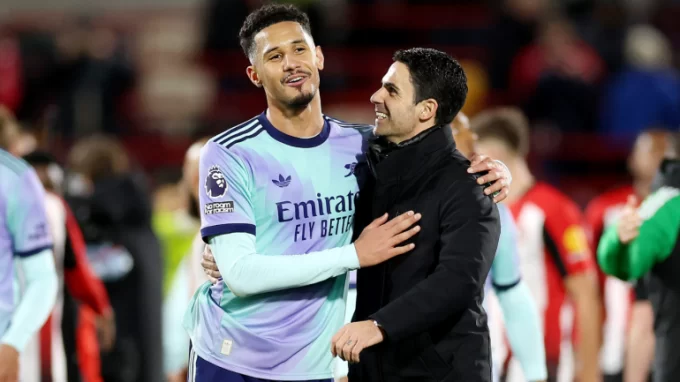
William Saliba: Arsenal’s Silent Architect or Its Greatest Gamble?
The air inside the Emirates shifts with unspoken tension—William Saliba, once a...
 Joseph Bennett2 Mins read
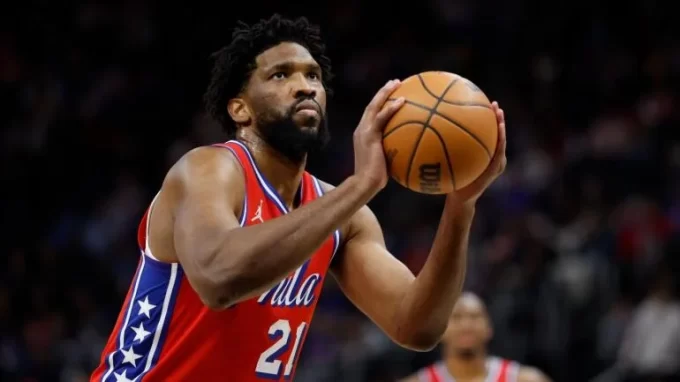
Joel Embiid’s Quiet Confidence: Is the 76ers’ Giant Ready to Rewrite His Story?
Joel Embiid is rarely one to make noise without purpose, and now,...
 Kirsten Collins1 Mins read
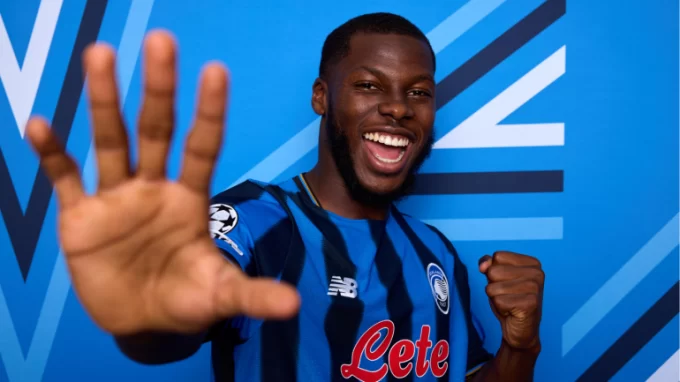
Juventus, Atalanta, and Arsenal’s Quiet Revolution: What’s Really Shaping This Week in Football?
The roar of Serie A stadiums masks a subtle shift, one that...
Kirsten Collins2 Mins read





Leave a comment