

6 International Books That Will Transport You—No Jet Lag, Just Genius
At a time when the world feels simultaneously smaller and more divided, these six dazzling works of global fiction remind us what storytelling can do: bridge continents, shake regimes, and whisper truths into our headphones or hearts. Buckle up for literary liftoff.
 Krista FreelandMarch 27, 20252 Mins read105
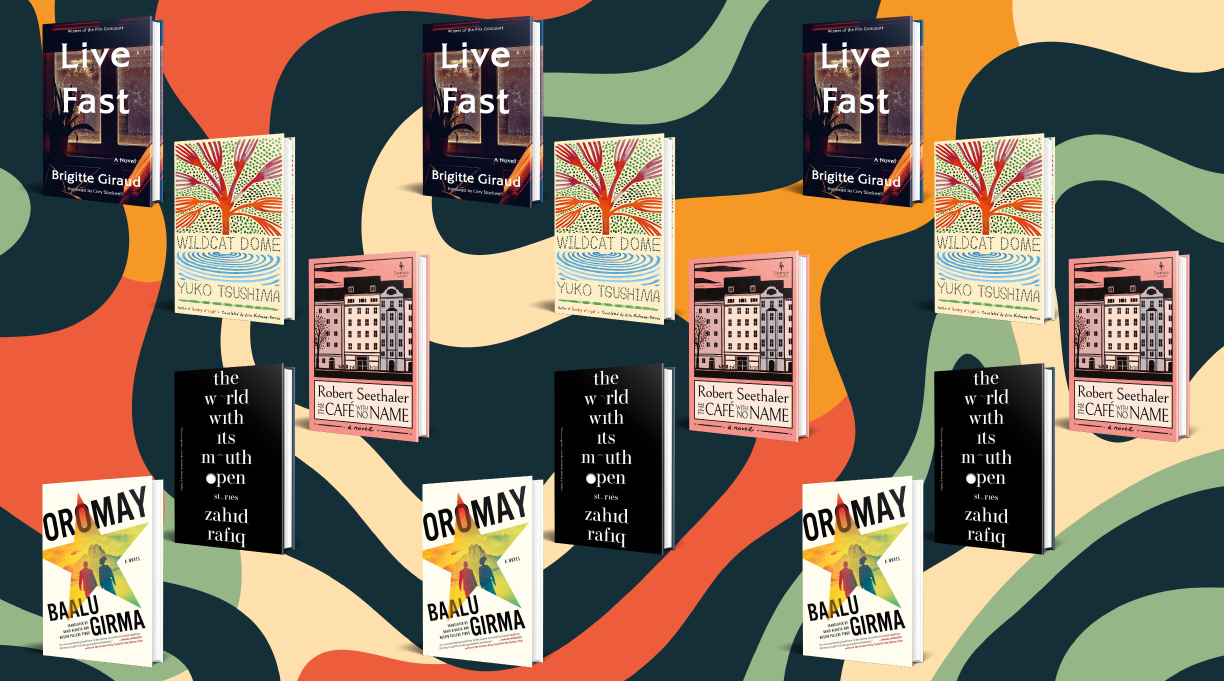
Now more than ever, books are the ultimate teleportation device—no visa required, no airport security, no guilt over carbon emissions. With just a few pages, you’re in Kashmir, Vienna, post-Fukushima Japan, or inside the tragic reverberations of a single, fatal decision in France.
These six extraordinary novels and story collections, curated by Kirkus Reviews’ fiction editor Laurie Muchnick, are more than just literary exports—they’re emotional imports. Each carries the weight of history, the nuance of culture, and the unmistakable pulse of truth.
1. The World With Its Mouth Open by Zahid Rafiq
Set in Kashmir, this quietly searing short story collection offers slices of daily life in a region perpetually bruised by conflict. Rafiq’s characters aren’t warriors or politicians—they’re luggage shop clerks, grieving siblings, cautious lovers, and haunted shopkeepers. One man thinks a mannequin’s face is expressing sorrow. Another discovers part of a skeleton beneath his dream home. Casual brutality meets exquisite tenderness.
“Rafiq writes crisply and tenderly, with occasional flashes of humor and exquisite attention to the trials of day-to-day life.”
📍 Read it if you want beauty and melancholy woven through the mundane.
2. Oromay by Baalu Girma (trans. David DeGusta & Mesfin Felleke Yirgu)
Ethiopia’s political past crackles through this masterwork from the late Baalu Girma—a novel that was so accurate in its depiction of the country’s authoritarian regime, it reportedly got him assassinated. Part spy thriller, part melodrama, and fully a roman à clef, Oromay is an anti-war novel that reads like forbidden fruit.
📍 Read it if you want your political fiction with teeth—and tragedy.
3. Live Fast by Brigitte Giraud (trans. Cory Stockwell)
French author Giraud turns personal loss into a piercing, forensic meditation on fate and memory. This Prix Goncourt–winning novel dissects the exact moments before her husband’s fatal motorcycle crash. What if she hadn’t delayed him? What if he’d taken another route? What if? It’s raw, restrained, and as elegant as grief can be.
📍 Read it if you’ve ever obsessed over the timeline of a single, life-changing moment.
4. The Café With No Name by Robert Seethaler (trans. Katy Derbyshire)
In post-war Vienna, a soft-spoken man opens a market café. That’s it. But what unfolds is a quiet masterpiece of found family, healing, and a city rebuilding itself one coffee cup at a time. It’s charming, yes—but never cutesy. Think Amélie, if she had fewer whimsical quirks and more war trauma.
📍 Read it if you want comfort with a slice of existential realism.
5. Wildcat Dome by Yuko Tsushima (trans. Lisa Hofmann-Kuroda)
Two mixed-race women, children of vanished American GIs and lost mothers, navigate the emotional and radioactive fallout of post-Fukushima Japan. Tsushima wraps identity, abandonment, and nuclear disaster into a brooding ghost story that doubles as noir mystery. Every sentence feels like it’s carrying a secret.
📍 Read it if you like your literary mysteries laced with ghosts and global resonance.
6. Honorable Mention: Your Reading Passport
While these titles span continents and timelines, they share one thing: the refusal to look away. Whether it’s systemic injustice, generational trauma, or the aftermath of catastrophe, these books demand attention—and reward it.
So now we ask: If fiction lets us travel the world—whose stories are we still waiting to discover next?








When “107 Days” Meets Outcry: Harris’s Book Tour Interrupted
The microphone crackled to life, and before Harris could finish her opening...
 Chris Marks1 Mins read
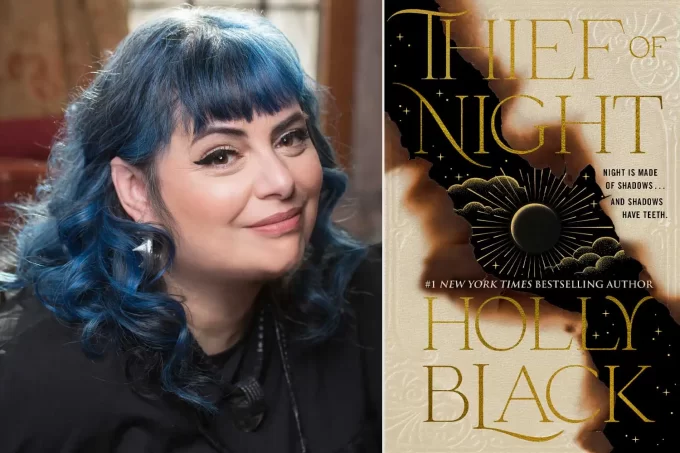
Whispers in the Shadows: Why Holly Black’s Sequel Is a Dark Invitation We Can’t Ignore
The night isn’t just dark—it’s ravenous, greedy, and it’s coming for you....
Chris Marks2 Mins read

Why Stephenie Meyer’s Regret About Edward Changes Everything You Thought You Knew
The moment Stephenie Meyer admitted she wouldn’t pick Edward Cullen today, a...
Chris Marks2 Mins read

When Fear, Fury & Feathers Collide: Cinema, Superheroes, and a Confessional Album
Open with tension—the kind that threads through a scream, a reveal, and...
Chris Marks2 Mins read





Leave a comment