

King Moore: The 9-Year-Old Rapper Who Redefines Genius on America’s Got Talent
At just nine years old, King Moore stunned America’s Got Talent with a raw, unexpected mastery of rap that challenges everything we thought we knew about talent, youth, and the future of music.
 Kirsten CollinsJune 25, 20251 Mins read17

The moment King Moore’s voice cut through the America’s Got Talent stage, the room tilted—no, warped—under the weight of disbelief and wonder. A child, barely nine, delivering bars with the confidence of a seasoned artist, and the emotional depth of someone who’s lived far beyond his years.
Is this merely prodigy or something more disruptive? When a child commands rhythm and wordplay like Moore does, the world is forced to reconsider the very fabric of creative genius. What stories lie behind such precocious fire, and what price does that spark demand?
Whispers in the Beat: A Voice Beyond Years
King Moore isn’t just spitting lyrics; he’s reshaping expectations. There’s a haunting maturity in his flow that unsettles as much as it amazes. “I want people to hear me and feel what I’m feeling,” he said softly, the kind of statement that could come from a poet three times his age. What does it mean when a child’s voice carries the weight of experience that even adults struggle to articulate?
This isn’t just a performance; it’s a cultural ripple. In an industry obsessed with image and spectacle, King Moore’s raw authenticity demands a pause, a rethink. Who decides when talent is “too young” or “just right”?
The Future, Rapped in Real Time
As the crowd roared and judges grappled with stunned silence, the question lingered: Is King Moore a glimpse of hip-hop’s future or an anomaly destined to be shelved by an industry not ready to hold such brilliance? His presence challenges the music world to evolve—or risk losing the very essence of its soul.
In every rhyme, King Moore invites us to look beyond age and persona. He is not just a child with a microphone; he is a force questioning how we value voice, experience, and authenticity in a world hungry for both innovation and tradition.
When the applause fades, what remains is a quiet echo: how does a nine-year-old’s truth ripple through the adult noise? King Moore didn’t just perform — he posed a question that hums beneath the surface of every beat yet to come. And maybe, just maybe, we’re only beginning to listen.






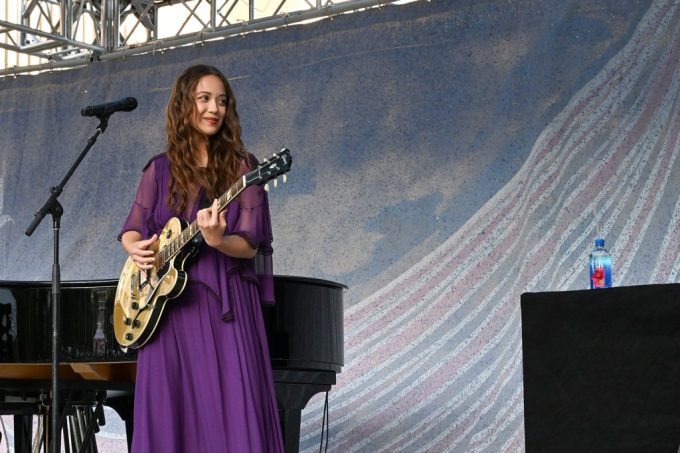
Laufey’s Opening Night Show at LA’s Crypto.com Arena: Best Moments
Laufey opened a two-night stand at Crypto.com Arena in downtown Los Angeles...
 Chris Marks6 Mins read
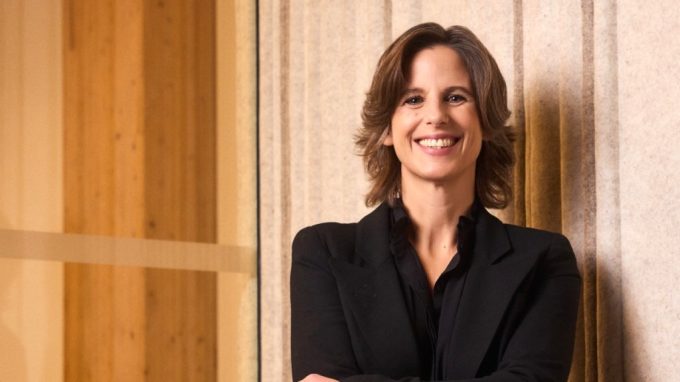
Julie Adam Is Billboard Canada Women in Music’s 2025 Exec of the Year
Julie Adam is having a milestone year — and it’s getting even...
Chris Marks4 Mins read
Spinal Tap Tribute Album with Foo Fighters,Tool for Teen Cancer America
Spinal Tap may be a fake band, but its music is very...
Chris Marks2 Mins read
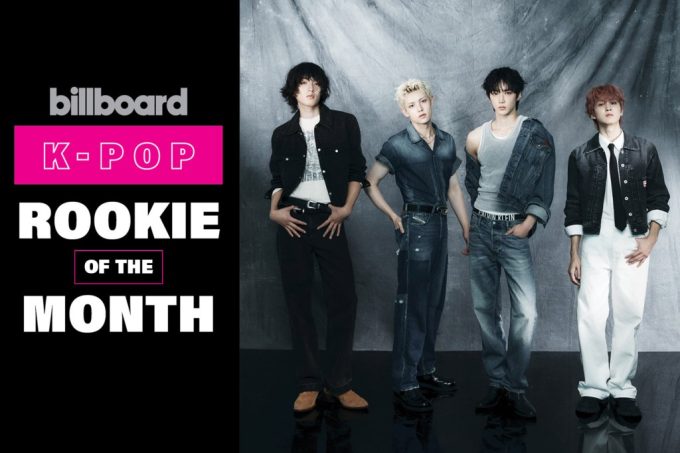
AxMxP Is K-Pop Rookie of the Month for September: Exclusive Photos
Ha Yoo Joon Image Credit: Chin Soyeon You debuted on Sept. 10....
Chris Marks2 Mins read





Leave a comment