

From Sitcom Star to Unscripted Truth: Aubrey Anderson-Emmons and the Quiet Revolution of Coming Out
Aubrey Anderson-Emmons, once the precocious face of a beloved sitcom, has stepped into a new role—her own truth—as she publicly embraces her bisexual identity. But what does this moment say about the shifting landscape of celebrity, youth, and authenticity?
 Krista FreelandJune 17, 20251 Mins read15
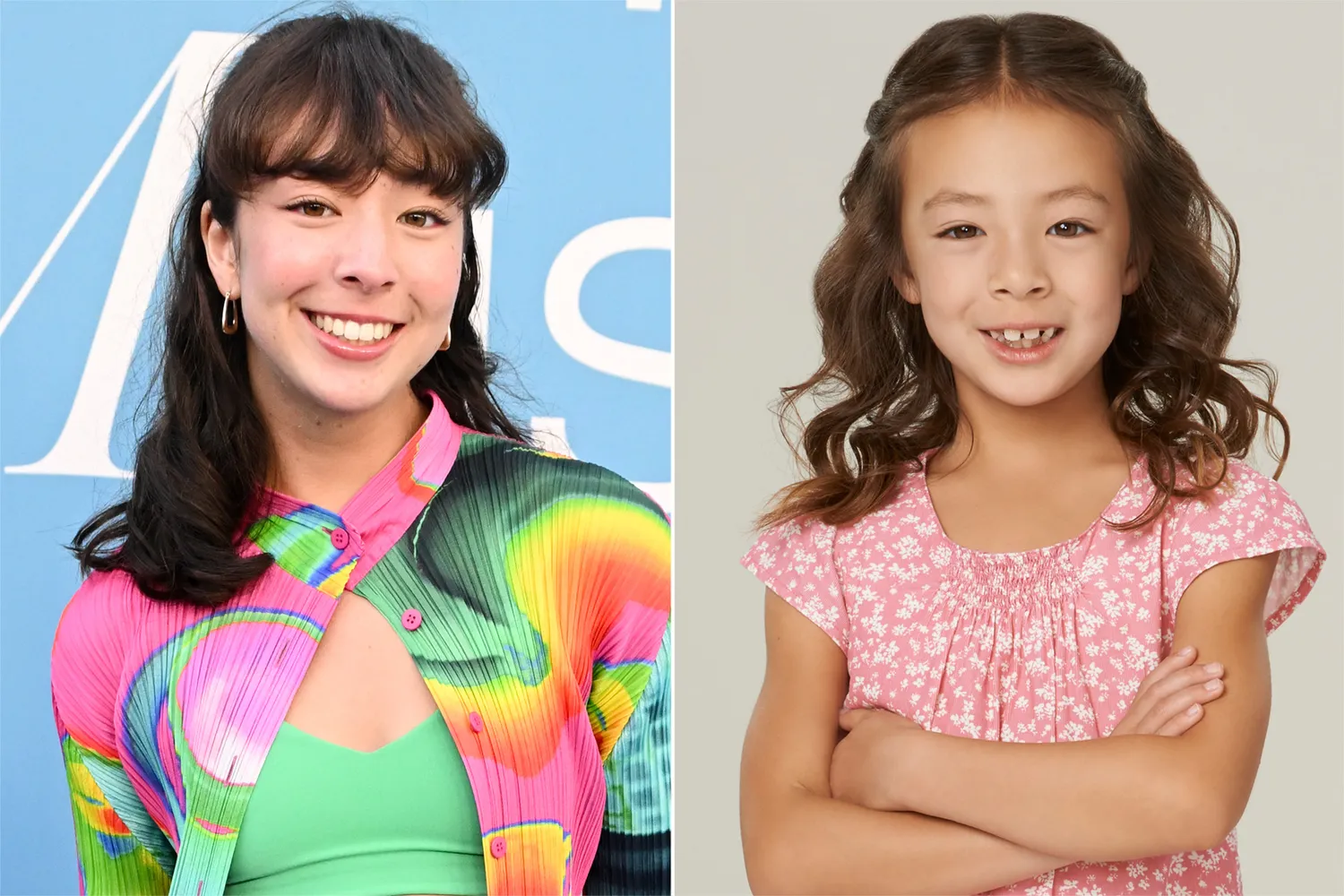
There’s a peculiar stillness when a child star sheds the polished character they once inhabited, revealing something raw, personal, and utterly unscripted. Aubrey Anderson-Emmons’ revelation of her bisexuality feels less like a celebrity announcement and more like a quiet revolution whispered in a room still learning how to listen.
The girl who charmed millions as Lily on Modern Family has reemerged, no longer the precocious child but a young woman wielding her truth with delicate precision. It’s a move that disrupts Hollywood’s usual fanfare, hinting at a deeper cultural shift—where identity is no longer a calculated reveal but a courageous everyday act.
The Weight of Visibility
Bisexuality, often misunderstood and marginalized even within LGBTQ+ discourse, carries a complexity that few dare to articulate publicly, especially in youth. Anderson-Emmons’ decision to come out publicly isn’t just personal—it’s political. It invites us to reconsider the often simplistic narratives imposed on queer identities. “Being honest with yourself is the hardest thing to do,” she shared quietly, a truth that resonates beyond headlines.
Yet, one must ask: does the spotlight afford her freedom or forge new constraints? Visibility in Hollywood has long been a double-edged sword. Will this openness become a pathbreaking moment, or will it be smothered by the industry’s appetite for neat labels and marketable stories?
Redefining the Narrative
Aubrey’s journey also redefines what it means to grow up in the public eye. The pressure to conform, to perform perfection, has haunted many child stars. But here, there is a subtle defiance—a refusal to be boxed into one-dimensional roles, both on-screen and off. Her announcement suggests a future where young LGBTQ+ people can claim their identities not as plot twists, but as ongoing stories.
Hollywood’s evolution toward inclusivity is undeniable, but how far does it stretch beyond token gestures? The complexity of bisexual identity demands more than surface-level acknowledgment. Aubrey’s voice challenges us to listen—to the nuances, the contradictions, and the quiet power in living one’s truth without apology.





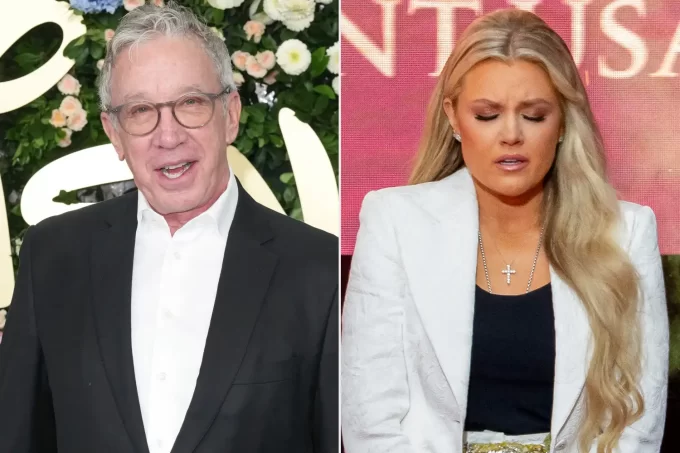
When Mercy Meets Tragedy: The Widow Who Forgave Her Husband’s Killer
The air thickens when forgiveness enters a room meant for grief. Imagine...
 Chris Marks1 Mins read
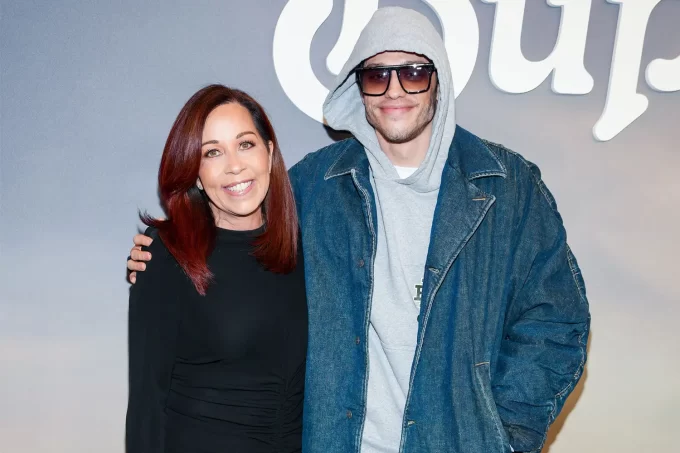
When Fear Became a Lifeline: Pete Davidson’s Reckoning in Rehab
There’s a silence that follows a mother’s voice when she confesses her...
 Joseph Bennett1 Mins read
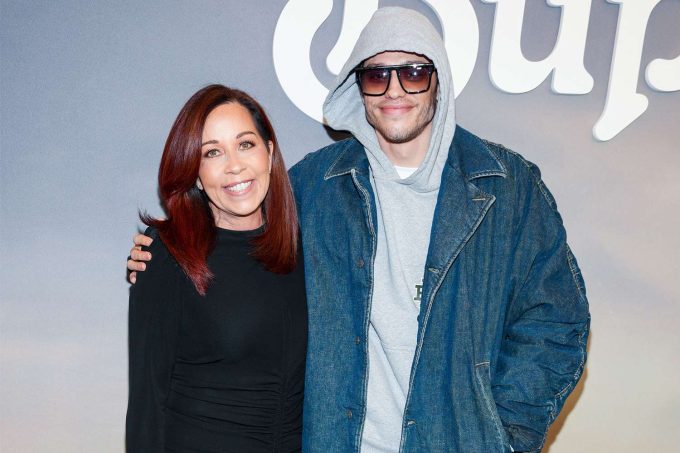
Pete Davidson’s mom told him in rehab worst fear was learning he died
Pete Davidson is opening up about the heartbreaking moment he had with...
Chris Marks2 Mins read
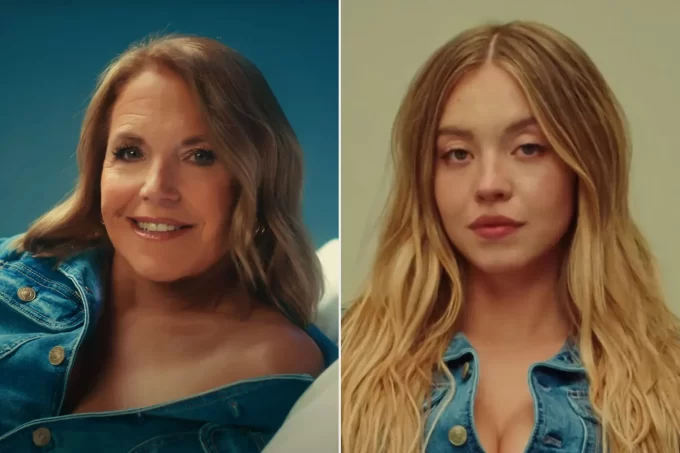
Katie Couric’s Unexpected Spin on Sydney Sweeney’s American Eagle Ad: What’s Really Being Said?
Katie Couric stepping into a scene dominated by Gen Z glamour feels...
Krista Freeland2 Mins read




Leave a comment