

What Is ‘Sinners in Chicago’ Really Hiding?
A seductive new thriller wrapped in gospel, crime, and forbidden faith, Sinners in Chicago lures us in with a promise—but what truth is it too afraid to tell?
 Kirsten CollinsApril 2, 20251 Mins read135
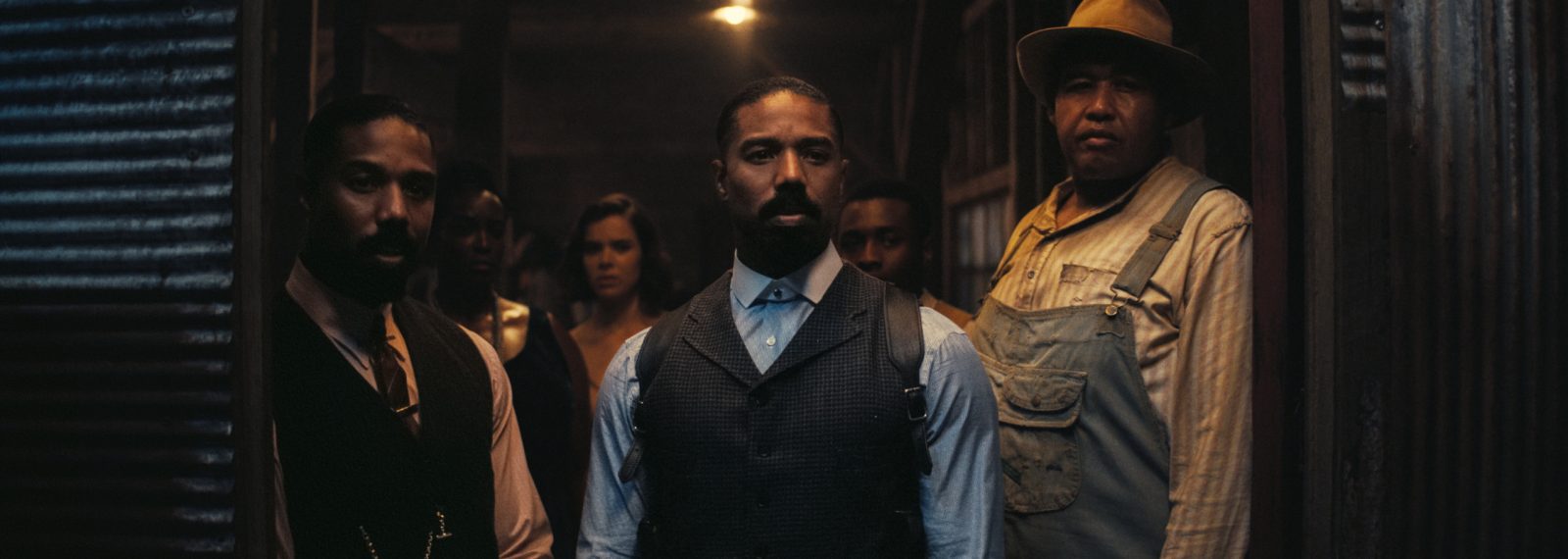
The church doors close with a thud that feels more like a threat than a blessing. In Sinners in Chicago, salvation is not so much sought as it is weaponized—an elegant contradiction nestled in a film that doesn’t ask for forgiveness. It dares you to look away.
At first glance, this indie thriller seems like an urban parable dressed in Sunday’s best: gospel choirs, sultry confessionals, and the raw skyline of Chicago at dusk. But beneath its polished frame lies a darker pulse—a story where betrayal wears a choir robe and redemption might come with a body count. We’re not in the pews anymore. We’re in the alley behind them.
Holiness as a Hustle
It’s hard to pin down the film’s true villain. Is it the pastor with too much power? The city that chews up its believers? Or the seductive lie that faith can be clean while the streets are still bloody? The trailer reveals just enough—sharp dialogue, glimpses of stolen money, a whispered affair—to stir the waters, but leaves the depths murky.
One line pierces through the gospel and grit like a siren: “You can’t save a soul you sold for silence.” It’s thrown casually, like a lyric—but it hits like scripture. Because Sinners in Chicago isn’t just about the sins we commit. It’s about the ones we inherit. The ones we justify. The ones we dress up in prayer.
Not All Redemption Glows in Stained Glass
What makes the film feel dangerous isn’t the guns or the secrets—it’s the absence of clear morality. There’s no line between sinner and saint, only characters trading roles like poker chips. And maybe that’s the film’s sharpest truth: in a world where loyalty can be bought, belief is just another form of currency.
The question isn’t whether justice will prevail. It’s whether we still recognize it when it does.







Watch Video – Hollywood Life
View gallery Image Credit: Getty Images Guy Fieri showed off quite the...
Kirsten Collins1 Mins read

Start the New Year by Investing in Yourself – Hollywood Life
Image Credit: European Wax Center The new year is all about fresh...
Kirsten Collins2 Mins read

Where Is Liam Conejo Ramos Now? Updates on 5-Year-Old’s ICE Detainment – Hollywood Life
Image Credit: Getty Images Liam Conejo Ramos came home from preschool while...
Kirsten Collins2 Mins read

AirTalk Wireless Offers Free Wireless Service to Underserved Folks, Online & Offline – Hollywood Life
Image Credit: Pexels California may be home to Silicon Valley, but many...
Kirsten Collins3 Mins read





Leave a comment