

Microstoria’s ‘Init Ding / _snd’: Noise as Language, Glitch as Gospel
In Init Ding / _snd, Microstoria dismantles sound, only to rebuild it into something almost sacred. It’s not music that asks to be enjoyed—it asks to be endured, decoded, felt.
 Kirsten CollinsFebruary 7, 20241 Mins read107

It doesn’t begin. It fragments. From the opening seconds of Init Ding / _snd, Microstoria shatters the expectation of form, of rhythm, of narrative. What’s left isn’t silence—it’s something stranger: curated chaos.
Originally released in the late ’90s and now resurfacing with a new generation of ears more attuned to algorithmic pattern than analog pulse, this two-part collection from Jan St. Werner (Mouse on Mars) and Markus Popp (Oval) is less an album than an interrogation. Each glitch, each hiccup of circuitry, is intentional. Each synthetic stutter becomes a syllable in an alien language we’re being dared to learn.
The Machine Dreams in Broken Syntax
This is not music for passive listening. It resists you—aggressively, elegantly. It asks you to listen wrong, to forget everything you know about composition and let the dissonance lead. There are no melodies, no crescendos—just layered interruptions, digital fog, sonic accidents made deliberate.
“Init Ding” hums like a broken motherboard meditating. “_snd” twitches with the haunted logic of early internet noise—unresolved, spectral, almost living. These tracks unfold like old modems singing to themselves: eerie, mechanical, weirdly nostalgic. And behind the crackle, you begin to hear something human—like a hand brushing static in search of connection.
Is Noise the Last Honest Music?
Microstoria’s work sits in the lineage of post-structural sound—where glitch isn’t failure but feature, where error becomes aesthetic. What they offer isn’t beauty in the traditional sense—it’s integrity. Here, the flaws are the message. The skips, the warps, the loops—they reflect our own fragmented perception, our own digital disintegration.
This isn’t ambient. It’s awareness. Every second demands presence. You don’t play this music in the background. You submit to it. And somewhere in that submission, a strange transcendence blooms.
The album doesn’t end so much as cease transmission. And as the last glitch flickers into absence, the question lingers—what if this mess of noise is closer to truth than any harmony we’ve ever trusted?







Laufey’s Opening Night Show at LA’s Crypto.com Arena: Best Moments
Laufey opened a two-night stand at Crypto.com Arena in downtown Los Angeles...
 Chris Marks6 Mins read
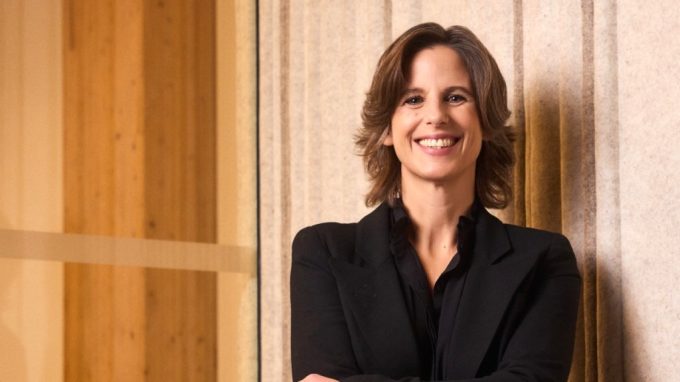
Julie Adam Is Billboard Canada Women in Music’s 2025 Exec of the Year
Julie Adam is having a milestone year — and it’s getting even...
Chris Marks4 Mins read

Spinal Tap Tribute Album with Foo Fighters,Tool for Teen Cancer America
Spinal Tap may be a fake band, but its music is very...
Chris Marks2 Mins read

AxMxP Is K-Pop Rookie of the Month for September: Exclusive Photos
Ha Yoo Joon Image Credit: Chin Soyeon You debuted on Sept. 10....
Chris Marks2 Mins read




Leave a comment