

Suburb or Statement? The Chicago Bears’ Stadium Saga Reeks of Leverage
The Bears are reengaging with suburban plans while keeping Chicago “in play.” But this isn’t about turf—it’s about control, identity, and who gets to claim the future.
 Joseph BennettApril 3, 20251 Mins read39
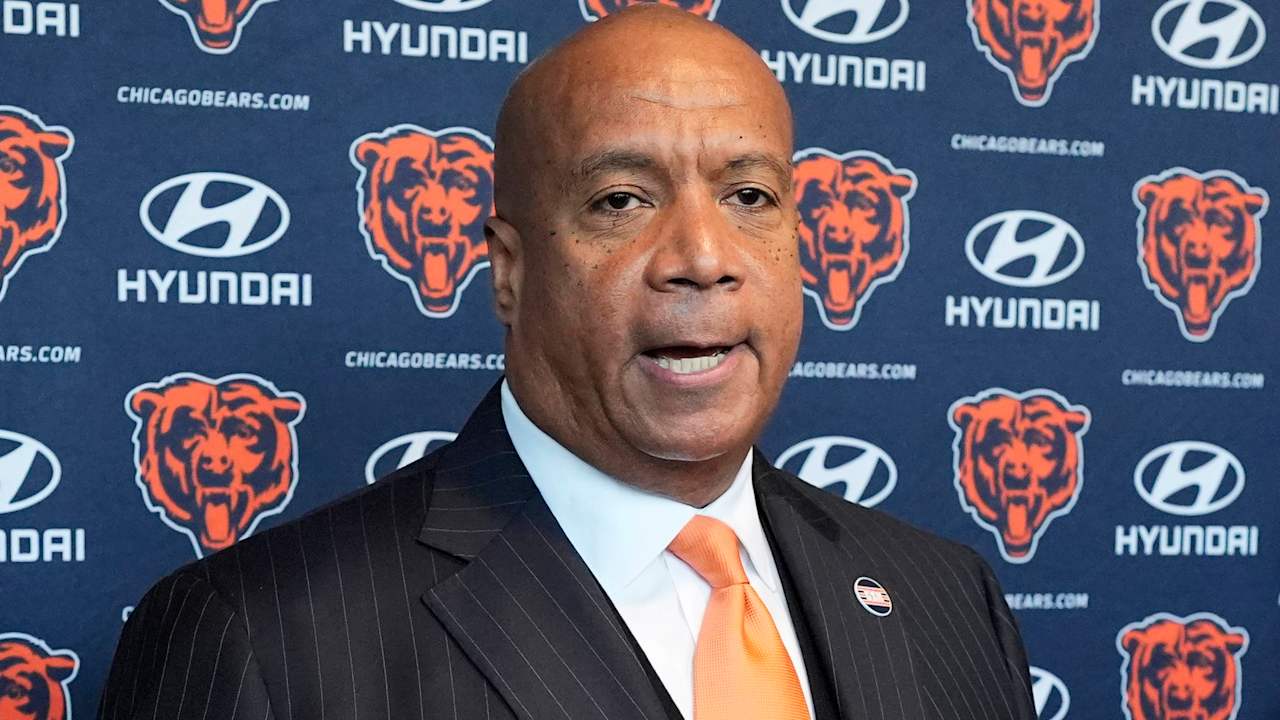
There’s something performative in the way the Chicago Bears say the city is still “in play.” As if Chicago is an option to be entertained—like a dinner guest on thin ice. Meanwhile, Arlington Heights and its sprawling suburban promise stand at the ready, whispering convenience, space, and sweet, sweet tax breaks.
What’s happening isn’t a real estate negotiation. It’s a brand recalibration. The Bears aren’t just picking a stadium—they’re picking a story. One that will shape how the team is seen for the next century.
And Chicago? It may no longer be the automatic answer.
The Field is Political Now
The Bears have already purchased the Arlington Heights property. That part isn’t theater—it’s strategy. But their recent pivot back to city talks, just as suburban enthusiasm simmers, is no coincidence. This is the language of leverage. Of billion-dollar chess.
Chicago officials have scrambled with promises of infrastructure and upgrades to Soldier Field, but the question remains: can the past compete with the future? And more provocatively—should it?
Soldier Field is historic, yes. But it’s also cramped, structurally stubborn, and owned by a city that wants revenue without losing control. The Bears want autonomy. Legacy. And, if we’re honest, luxury.
Bears or Be Gone?
So who do the Bears want to be? The gritty, urban franchise stitched into the skyline—or the sleek, suburban empire with retractable roofs and VIP boxes as far as the eye can see?
This isn’t just a local debate. It’s a national template. Big teams flirting with city exits, pushing for public funding, or threatening to become brands unanchored from their origins. Vegas has seen it. Oakland knows it. Now it’s Chicago’s turn to wonder: will loyalty be enough to keep the team tethered?
The answer, as always, may come down to who’s willing to write the bigger check. But make no mistake—the Bears aren’t just looking for a new home.
They’re building a kingdom.
And kingdoms, historically, prefer land that’s easier to conquer.






Aaron Rodgers and the Curious Case of the Missed Guinness
Beyond the Spotlight: The Real Role of VulnerabilityMcConaughey speaks of a practice,...
 Kirsten Collins1 Mins read
Behind the Playbook: Terrell Williams’ Silent Battle
The game clock is running, the pressure mounts, but Terrell Williams is...
 Krista Freeland1 Mins read
The $10 Gamble That Could Rewrite Your NFL Playbook
There’s a silent tension in the air whenever longshot odds surface—an electric...
 Chris Marks1 Mins read

Baker Mayfield’s Bicep: A Whisper Before the Storm
The tension is palpable before the whistle blows. Baker Mayfield, the Buccaneers’...
Kirsten Collins2 Mins read




Leave a comment