

The Tariff Tantrum: Why Wall Street’s Worst Fear Is an American Idea
Financial markets aren't just reacting—they're recoiling. America’s tariff revival is more than policy; it's a signal flare to the global economy that uncertainty is now strategic.
 Krista FreelandApril 3, 20252 Mins read64
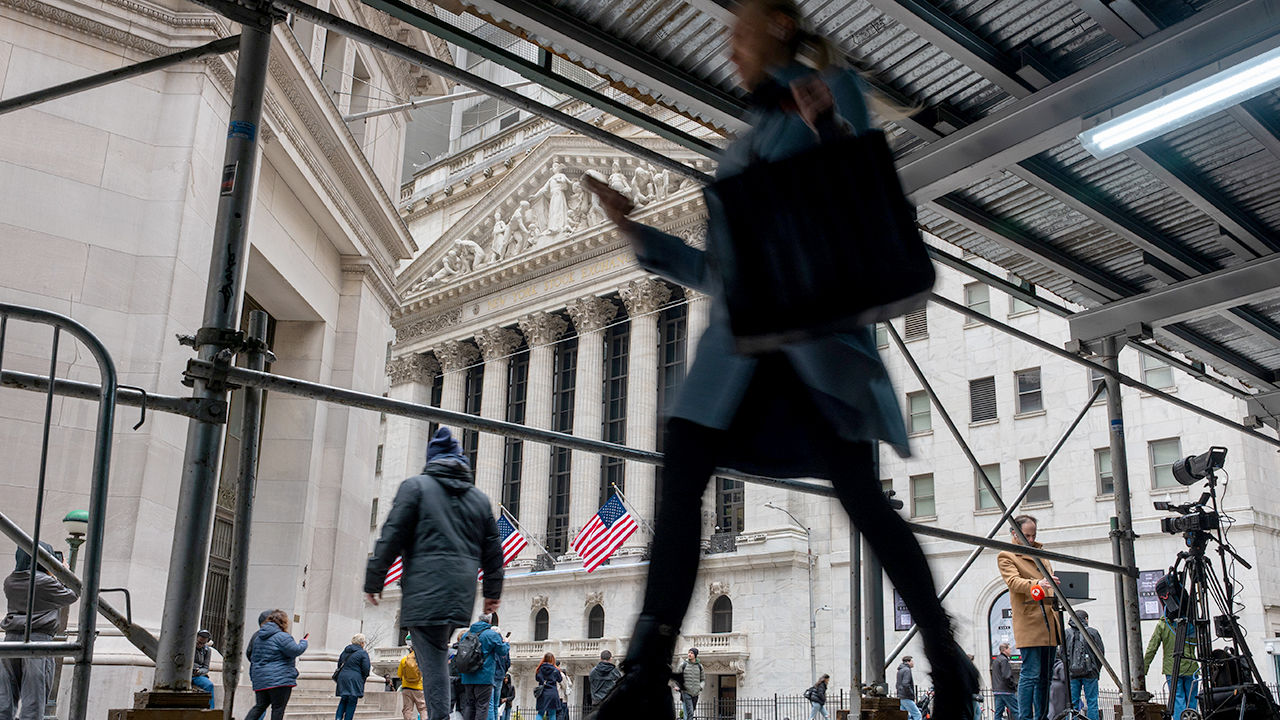
There was a time when tariffs were the economic equivalent of dial-up internet—clunky, outdated, and reluctantly tolerated. But 2025 has brought them roaring back, not as economic measures, but as declarations. And the markets? They’re flailing not because they don’t understand tariffs—but because they understand all too well what they imply: control, chaos, and political theatre disguised as economic doctrine.
The latest shockwave came not from war or oil or tech, but from America itself. A country once famed for globalist evangelism now wielding tariffs like weapons in a policy arsenal designed to confuse allies and intimidate rivals. The result? Indexes plunged. Investors scattered. The dollar blinked. This wasn’t about steel or semiconductors—it was about strategy. And ambiguity was the point.
When Volatility Becomes the Message
Unlike rate hikes or unemployment data, tariffs speak a different language. They don’t whisper forecasts—they shout intent. Every levy imposed or threatened is a symbol: of nationalism over cooperation, of short-term optics over long-term growth. “Markets can adjust to almost anything—except erratic policy,” said one trader on the floor of the NYSE, watching futures slide like dominoes.
But volatility isn’t a bug in the system anymore—it’s the system. We’re no longer in an era where stability signals strength. Now, unpredictability is its own kind of power play. The government’s shift from diplomacy to brinkmanship leaves investors guessing not just about returns, but about the very rules of engagement. Is this the new normal, or just the noise before the next storm?
Who Benefits from the Unraveling?
There’s an unsettling elegance to it all. Domestic manufacturers, often painted as the winners of protectionist policies, are caught in the same tailspin as tech and retail. International allies are blindsided. Supply chains, already battered by years of disruption, groan under yet another layer of geopolitical friction.
And yet, somewhere in the volatility lies quiet gain. Certain hedge funds, commodities traders, and currency speculators thrive in flux. But they are few—and they are not the economy.
This isn’t about winning trade battles. It’s about sending a message. And the message is clear: American policy has entered a phase where disruption is not collateral damage—it’s design.
So what happens next? We wait. We watch. And markets, once ruled by algorithms and earnings, now brace themselves against a far more erratic force: the mood of a nation.





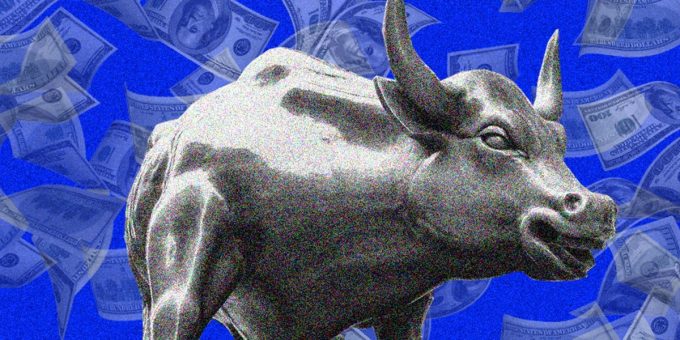
How Much Will Trump’s Policies Really Cost Wall Street?
When Donald Trump first took office, his policies were sold as a...
 Kirsten Collins2 Mins read

Milken 2025: The Party of the Rich, Amid a World Falling Apart
The night was electric in a way that only a private, star-studded...
 Joseph Bennett3 Mins read

Buffett, Cook, and the Quiet War for America’s Soul
There was a moment, barely a second long, when Warren Buffett’s smile...
Joseph Bennett3 Mins read
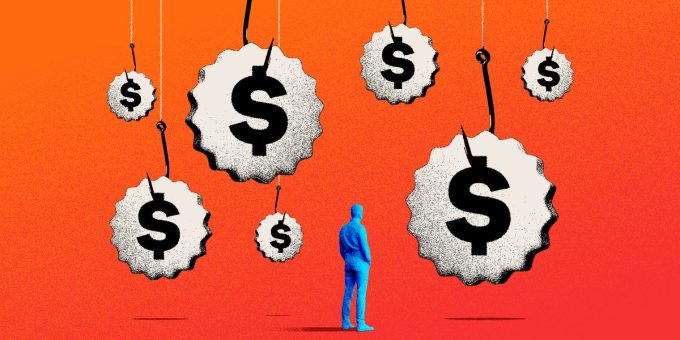
The Deception Behind the Deal: How Bait-and-Switch Pricing Is Shaping Our Desires
It’s the perfect price—a promise of a deal that seems too good...
Joseph Bennett3 Mins read





Leave a comment