

Disappointment in Public: Trey Hendrickson’s Contract Dispute Isn’t About Money
Bengals DE Trey Hendrickson called out execs over contract talk. But the sting wasn’t in the numbers—it was in the narrative.
 Joseph BennettApril 2, 20251 Mins read157
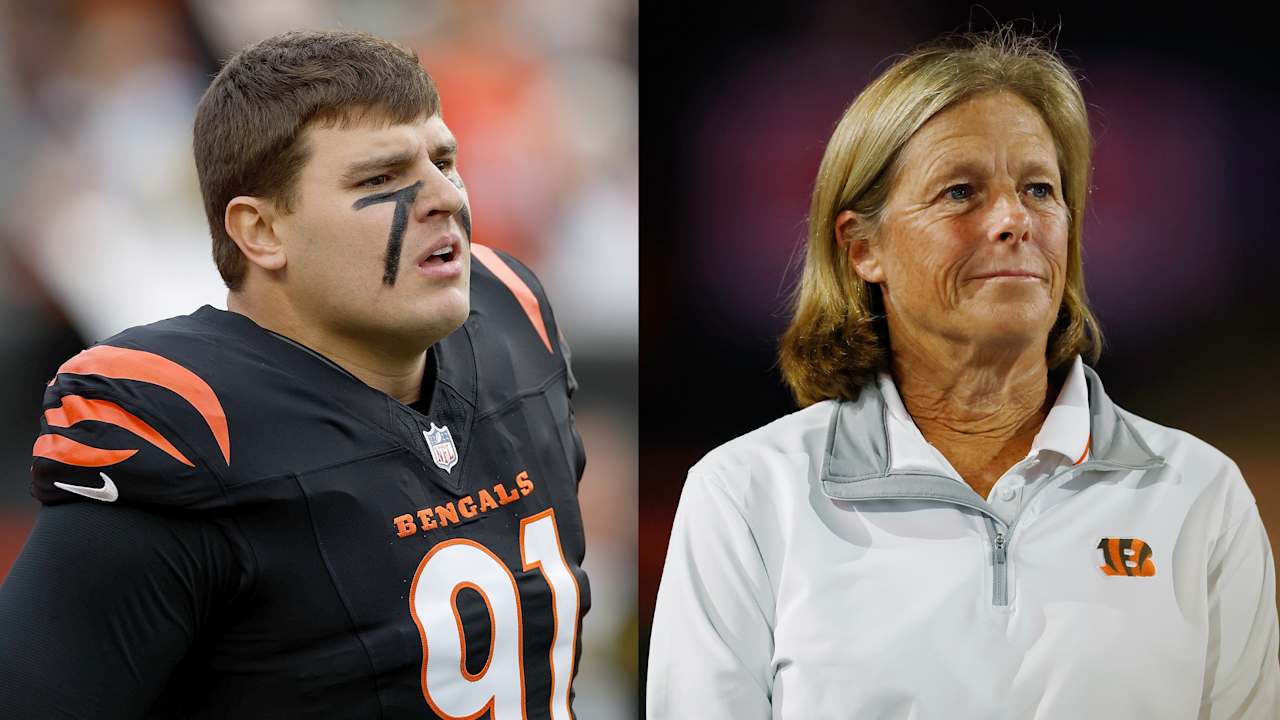
It wasn’t the statement itself. It was the way it landed. Public. Plain. Icy.
Trey Hendrickson, one of the NFL’s most quietly effective pass rushers, has never made headlines for drama. Until now. When asked about recent comments from Bengals executives downplaying contract talks, Hendrickson didn’t hedge. He didn’t soften.
“Disappointing.”
One word. Surgical. And suddenly, the silence between player and franchise became very, very loud.
Not About the Deal—About the Disconnect
In today’s NFL, the friction between performance and recognition is a subtle war. Hendrickson has delivered: 39.5 sacks in three seasons, consistent impact, veteran presence. But what he got in return wasn’t clarity or confidence. It was ambiguity—and quotes from the front office that felt more dismissive than diplomatic.
Players hear everything. Especially what isn’t said.
What stings here isn’t the pace of negotiation. It’s the public tone. A sense that loyalty is expected from the locker room, but optional from the boardroom.
In elite sports, language is leverage. And Hendrickson’s response made one thing clear: he felt none.
The Era of Quiet Compliance Is Over
This isn’t the early 2000s. Players now own their platforms. They know their value. And when that value feels questioned—or worse, ignored—they speak. And when a guy like Hendrickson speaks, it’s not noise. It’s a signal.
Cincinnati, for all its calculated roster building, may have underestimated the emotional calculus of its core veterans. You can’t build a Super Bowl run on stats alone. You need belief. And when belief fractures, even slightly, the cracks travel fast.
What happens next isn’t just about whether a contract gets extended.
It’s about whether respect, once frayed, can be rewoven.
So as the Bengals eye another postseason, one question lingers louder than any press conference:
Will they repair the relationship—or rebrand the regret?





Aaron Rodgers and the Curious Case of the Missed Guinness
Beyond the Spotlight: The Real Role of VulnerabilityMcConaughey speaks of a practice,...
 Kirsten Collins1 Mins read
Behind the Playbook: Terrell Williams’ Silent Battle
The game clock is running, the pressure mounts, but Terrell Williams is...
 Krista Freeland1 Mins read
The $10 Gamble That Could Rewrite Your NFL Playbook
There’s a silent tension in the air whenever longshot odds surface—an electric...
 Chris Marks1 Mins read
Baker Mayfield’s Bicep: A Whisper Before the Storm
The tension is palpable before the whistle blows. Baker Mayfield, the Buccaneers’...
Kirsten Collins2 Mins read




Leave a comment