

The Revolution Was Televised, But Who Was Watching?
The documentary Legacy of Hope doesn't just trace Africa’s liberation—it rips open the silence surrounding the ghosts that still run governments, economies, and headlines. This is not nostalgia. It's a reckoning.
 Chris MarksApril 24, 20252 Mins read33
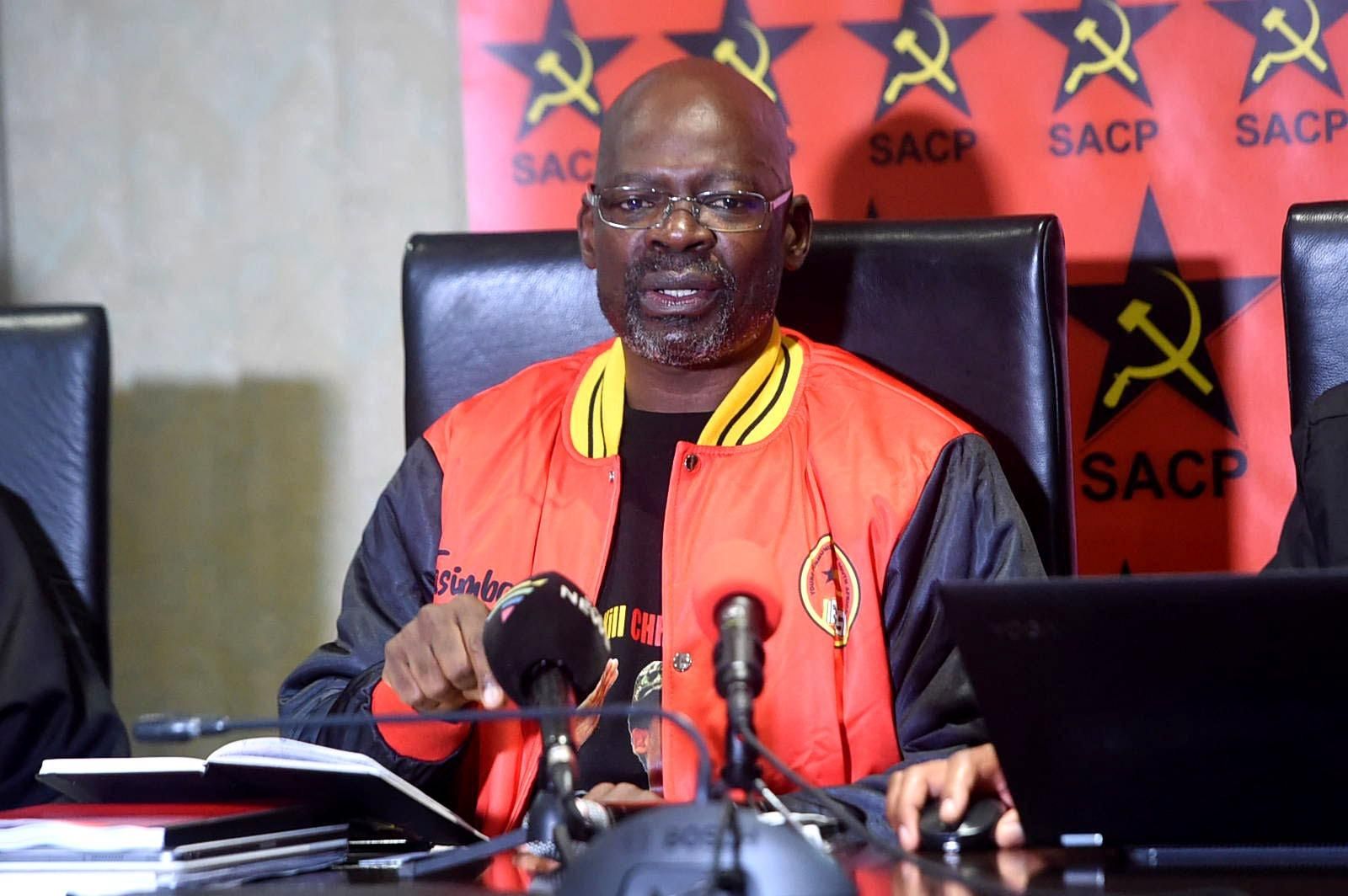
They gathered in silence—sons of martyrs, daughters of exiles—before a flickering screen that dared to remember what textbooks refused to print. Legacy of Hope doesn’t plead for attention; it dares you to look away. And yet, beneath its measured narration and black-and-white reels, one question roils beneath the surface: What if freedom was only ever half-delivered?
The film’s beauty is deceptive. There are sweeping panoramas of war-torn plains, rhythmic chants of resistance, archival footage of clenched fists and fire. But listen closer and you’ll catch it—the quiet disillusionment behind the interviews. “We didn’t fight to wear suits in broken parliaments,” says one surviving veteran, his voice the sound of history folding in on itself. You believe him, because you recognize that weariness. It’s the same fatigue etched on a generation scrolling through hashtags, wondering if their protests will one day be reduced to cinematic B-roll.
Borders Drawn in Ink and Blood
The documentary moves like a ghost train through Algeria, Angola, Mozambique, Ghana, South Africa—each country a scar mapped across the same body. But something more chilling emerges: how colonial ghosts learned to speak new tongues—investment, aid, development—and how liberation leaders, once barefoot and burning with purpose, began trading principles for policies.
What happened when the revolutionaries became rulers? When exile turned to luxury exile? When the dream of self-determination morphed into elections monitored by the very powers once chased out? The documentary dares to ask—but more importantly, it dares not to answer too quickly. And that’s its true power. It lets the viewer sit with discomfort. It lets silence echo.
The Kids Know the Smell of Smoke
If the past haunts, then the future simmers. In the final act, we glimpse modern African youth: defiant, digitally armed, and unshackled from the reverence that softened their parents’ tongues. The torch has not been passed. It has been dropped. And they are daring enough to light it again.
But what kind of fire will they spark? One fueled by rage, or by memory? By hope, or vengeance? The camera lingers not on leaders, but on eyes—young, watchful, suspicious. The kind of eyes that know too well that history repeats itself, especially when no one is brave enough to rewrite it.
They gathered in silence. And when the lights rose, the question remained, unanswered but electric: What if the real war never ended, just changed costume?







What Happened Between Them? – Hollywood Life
View gallery Image Credit: WireImage Hilary Duff and Haylie Duff were once...
 Kirsten Collins2 Mins read
Pianist Omar Harfouch Brings Celebrated Figures Together for a Night of Cultural Exchange – Hollywood Life
Image Credit: Omar Harfouch On February 20, 2026, pianist and cultural figure...
Kirsten Collins2 Mins read
Who Is Ivana Lisette Ortiz? About the Rihanna Home Shooting Suspect – Hollywood Life
Image Credit: WWD via Getty Images The suspect in the March 8,...
Kirsten Collins1 Mins read

What Channel Are the Academy Awards On? – Hollywood Life
Image Credit: AFP via Getty Images The 2026 Academy Awards will bring...
Kirsten Collins1 Mins read





Leave a comment