

Ari Lennox’s CTIJF 2025 Debut: What Was She Really Telling Us?
Ari Lennox’s electrifying debut at the Cape Town International Jazz Festival left the crowd breathless, but behind the soul-stirring notes, was there a deeper story unfolding?
 Kirsten CollinsApril 27, 20252 Mins read37
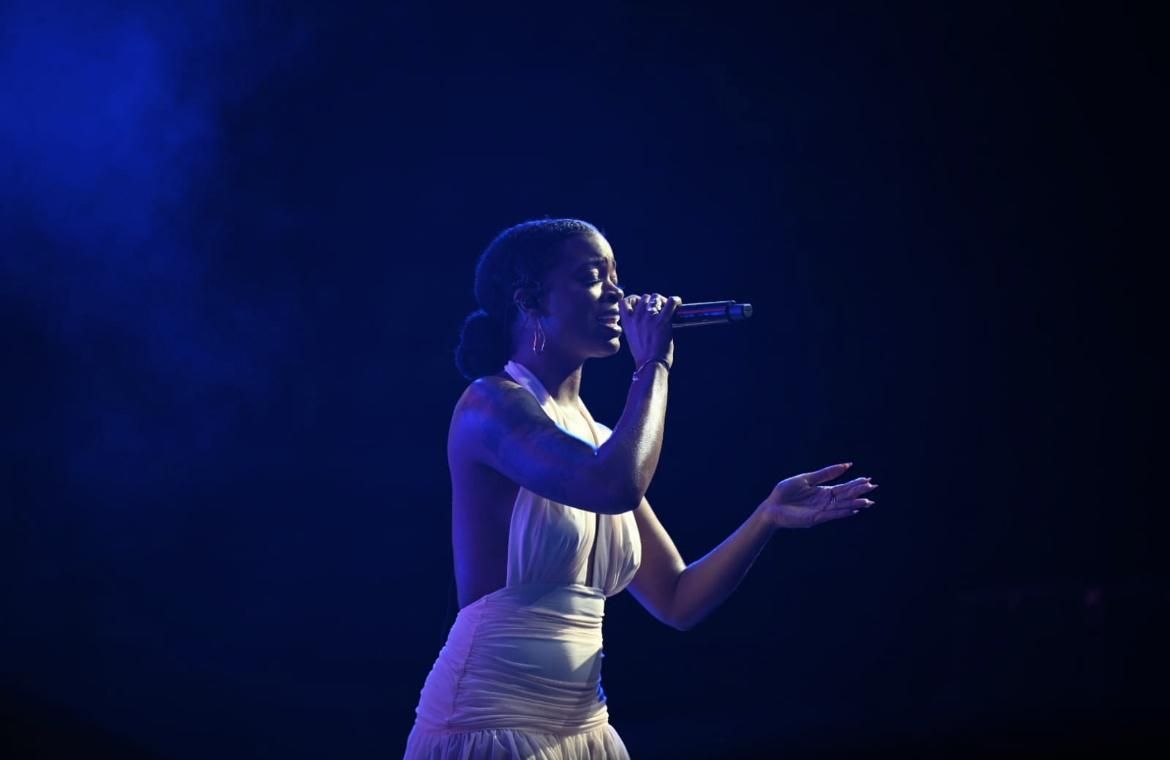
When Ari Lennox hit the stage at the Cape Town International Jazz Festival 2025, the air felt thick with anticipation—like something monumental was about to unfold. Her voice, unmistakable and deep, reverberated through the crowd, echoing against the lush backdrop of Cape Town’s night sky. But as she sang, the question hung heavy: was this just another performance, or something more—a moment in which an artist might define her place in the world?
Lennox is more than a voice; she is a force that pulls the listener into an intimate, unspoken dialogue. Her debut at CTIJF wasn’t just about notes or melodies; it was a revelation. The rhythm of her performance didn’t follow the traditional path of smooth transitions and predictable beats. It disrupted them. Each pause in her voice was a question, every crescendo a plea for understanding, and every soft, almost whispered line—an invitation to go deeper.
The Unspoken Language of Soul
There’s a particular magic in the way Ari Lennox makes the personal universal. Her voice isn’t just heard; it’s felt, like an emotional thread that tugs at the very fabric of the listener’s soul. But at CTIJF, the connection was different—it wasn’t just about the personal. It was about belonging to something greater, something that transcends borders, both musical and cultural. In a festival that celebrates the globality of jazz, Lennox’s presence felt like a masterclass in bridging worlds. Her music, blending R&B with jazz, wasn’t just a genre fusion; it was a cultural negotiation, a reminder of the ways music bends and reshapes meaning as it travels across continents.
As she captivated the crowd, I couldn’t help but ask: What does it mean for an artist of her caliber to perform in Cape Town, a city whose history with music is steeped in revolutionary movements and painful legacies? For Lennox, a global sensation rooted in a deeply American musical tradition, to take the stage here felt like more than just a performance. It was a statement—a reminder that music is not only about sound; it’s about history, about reinterpreting legacies, and about creating a new lexicon for what it means to be an artist today.
An Unexpected Dialogue
Ari Lennox didn’t simply sing. She seemed to be engaged in an intricate conversation with the audience, with the festival itself. As the crowd swayed, eyes closed, lost in the rhythm, one line from her song stayed with me long after the show ended: “I’m not just here to be seen—I’m here to be heard.” And indeed, Lennox had ensured her voice was impossible to ignore.
It’s not that the crowd hadn’t come for the music. They had. But Lennox’s presence asked them to reflect on something deeper, more nuanced. She made them question: What is it that we’re really hearing when we listen to her? Is it the smooth, velvety tones of an R&B queen? Or is it a call to action—a subtle challenge to the status quo of global music culture?
The applause, loud and fervent, was not just for an exceptional performance. It was a recognition of an artist who had transcended the stage and entered a space where music and identity intertwine. Lennox had done more than entertain; she had invited the audience into her world—a world in which music serves as both a sanctuary and a revolutionary tool. But the question still lingers: what will she say next?







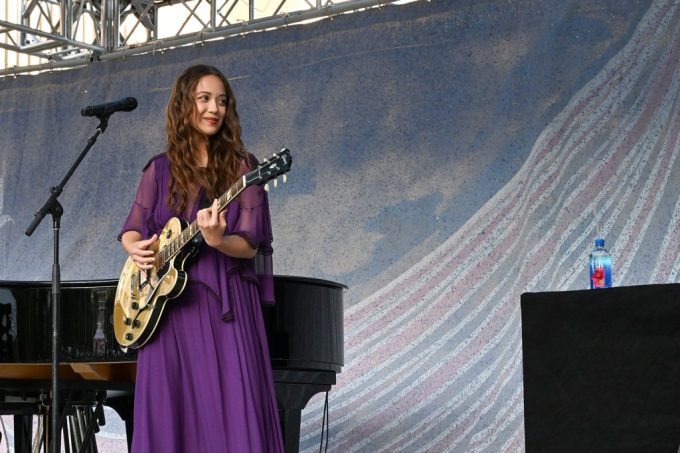
Laufey’s Opening Night Show at LA’s Crypto.com Arena: Best Moments
Laufey opened a two-night stand at Crypto.com Arena in downtown Los Angeles...
 Chris Marks6 Mins read
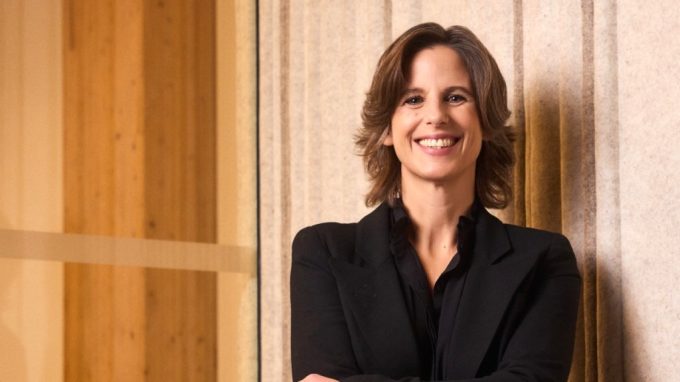
Julie Adam Is Billboard Canada Women in Music’s 2025 Exec of the Year
Julie Adam is having a milestone year — and it’s getting even...
Chris Marks4 Mins read

Spinal Tap Tribute Album with Foo Fighters,Tool for Teen Cancer America
Spinal Tap may be a fake band, but its music is very...
Chris Marks2 Mins read
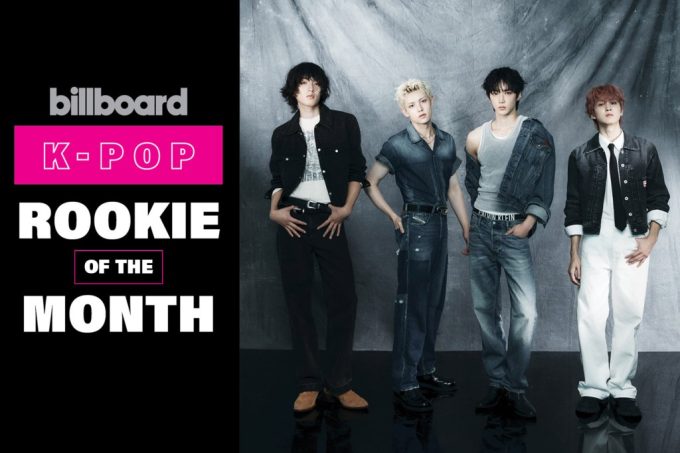
AxMxP Is K-Pop Rookie of the Month for September: Exclusive Photos
Ha Yoo Joon Image Credit: Chin Soyeon You debuted on Sept. 10....
Chris Marks2 Mins read





Leave a comment