

Still Doing the Time Warp: Susan Sarandon and the Cult That Won’t Die
As Rocky Horror Picture Show turns 50, Susan Sarandon doesn’t just remember the madness—she questions its immortality. What happens when a subversive scream becomes a cultural heirloom?
 Chris MarksMay 1, 20252 Mins read54
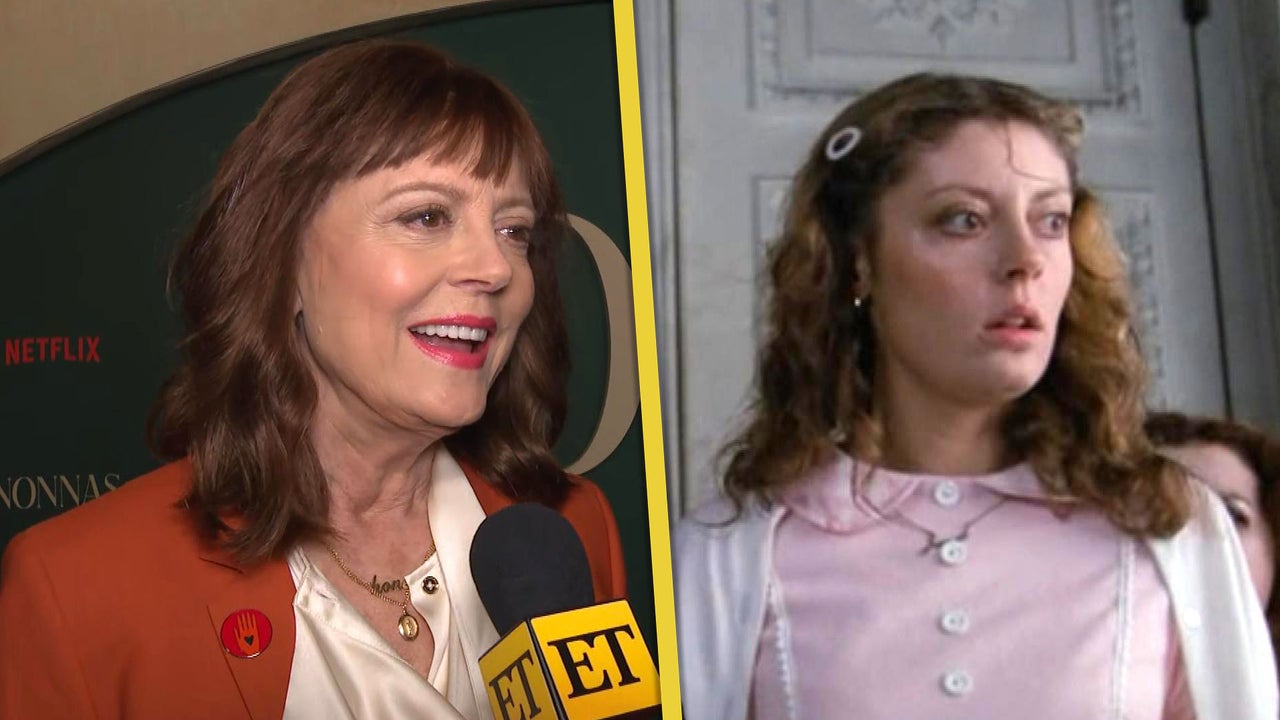
She says it with a kind of delicate rebellion, the way only Susan Sarandon can: “It was fun, it was weird, it was cold—but I had no idea it would last.” Fifty years later, The Rocky Horror Picture Show hasn’t just lasted—it’s metastasized into myth. And somewhere, beneath the fishnets and glitter, the question isn’t just why it endured—but what exactly we’ve turned it into.
For a film once considered too strange for prime time, its rise into the cultural canon is almost suspicious. It was never supposed to be this polished, this preserved, this—dare we say—precious. But here it is, half a century later, with a generation that was never meant to be its audience now lip-syncing every line. Is this the fate of all rebellion? To one day be archived, curated, and retrofitted into a museum piece?
A Monster Made by Midnight
There’s a seduction to things born in the dark. Rocky Horror was never built for daylight or mass approval—it thrived in back-alley cinemas, sweat-drenched basements, and the throats of those with something to scream. Sarandon, caught in the eye of the original storm, remembers it as chaos with a purpose. “There was a freedom in not knowing what the hell we were doing,” she admits, a line that lands like a challenge to every studio-processed film masquerading as ‘edgy’ today.
And yet, that freedom has calcified into ritual. The rice. The toast. The shadow casts. It’s all performed with religious precision, as though spontaneity has become sacred. But how do you keep a monster alive without embalming it? When tradition sets in, does subversion die?
Janet, Still Damned
Half a century on, and Rocky Horror still asks questions that Hollywood pretends it answered decades ago. About gender. About performance. About desire. But now those questions echo in a culture obsessed with inclusion and curation, where raw weirdness is often polished down into brand-friendly wokeness. What would Frank-N-Furter say if he saw his legacy photoshopped into a Target Pride Month poster?
Sarandon, elegant and unbothered, seems less interested in dissecting its meaning than in preserving its contradiction. “You can’t fake that kind of chaos anymore,” she shrugs, a quiet admission that the original wasn’t just a movie—it was a glitch in the cultural matrix.
And maybe that’s what keeps it breathing, not the callbacks or costumes, but the suspicion that we’ll never fully understand what lightning hit that screen in 1975.
After all, how do you celebrate something that was never meant to last—without finally killing what made it unforgettable?




5 Things About the New HBO ‘Harry Potter’ Star – Hollywood Life
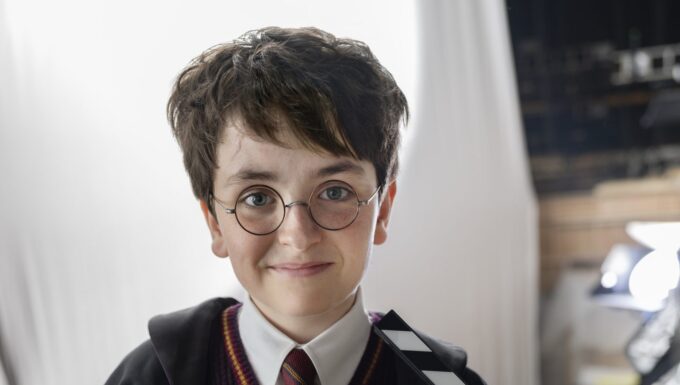
Image Credit: Aidan Monaghan/HBO Dominic McLaughlin may be a newcomer to Hollywood,...
 Kirsten Collins1 Mins read
Why Is Sora Shutting Down? Inside the Closure of the OpenAI App – Hollywood Life
Image Credit: NurPhoto via Getty Images Sora, the first standalone OpenAI app...
Kirsten Collins2 Mins read
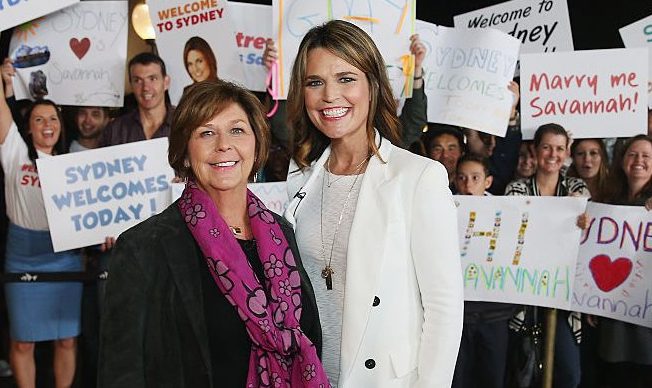
Is Savannah Guthrie Coming Back to the ‘Today’ Show? What We Know – Hollywood Life
Image Credit: Getty Images Savannah Guthrie has stepped away from the Today show...
Kirsten Collins2 Mins read
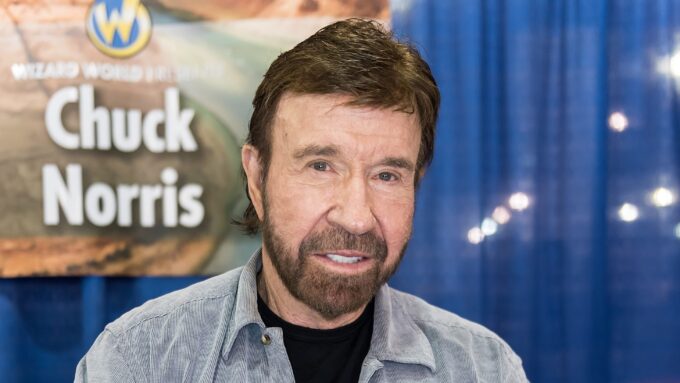
How Did Chuck Norris Die? Updates on the Late Actor’s Cause of Death – Hollywood Life
View gallery Image Credit: Getty Images Chuck Norris, the actor and martial...
Kirsten Collins2 Mins read





Leave a comment