

America’s Silver Fox: What Is Gerry Turner Really Selling Us?
Gerry Turner, The Golden Bachelor, now graces People magazine like a seasoned heartthrob—but beneath the Botox and buzzwords, is something stranger being pitched to us all?
 Chris MarksMay 7, 20252 Mins read69

He stands against a soft-focus California sunrise, one hand in his pocket, the other curled in a slow, almost smug invitation. Gerry Turner—at 72, a man sculpted into America’s latest sex symbol—wears the sort of confidence you usually find in the second act of a Tom Ford campaign. But make no mistake: this is not just a senior citizen with a good tailor. This is a national fantasy, polished, powdered, and slipped between the pages of People like an aspirational daydream for a country terrified of dying.
He is the Golden Bachelor. But also something more surreal: the curated embodiment of a new kind of virility. The question isn’t just who Gerry Turner is. It’s who we need him to be.
Where the Wrinkles Go to Vanish
In the era of disappearing youth and disappearing nuance, Turner emerges like a Hollywood reboot of masculinity—charming, clean, and noticeably unthreatening. He talks about second chances and enduring love. His white hair is windswept just enough to imply vitality, not rebellion. And in every frame, the message is as crisp as his smile: aging doesn’t have to look like loss—it can look like leisure.
But if Gerry is hope, what does he suggest we fear? For all the soft lighting and sentimental soundbites, Turner’s cover is oddly sterile. Sanitized. Almost suspicious in its perfection. Here is a widower who mourns, sure—but without mess. Here is a suitor who loves—but only within safe borders. There’s no heartbreak here, no history that makes us flinch. Just a handsomely packaged idea of what growing old could look like—if you have enough lighting, enough time, and enough producers.
“You’re never too old to fall in love,” Turner offers in the piece, his words laced with that familiar ABC gloss. But whose love, and whose fantasy, are we being sold?
The Bachelor Franchise’s Most Dangerous Illusion Yet
There is something subversively genius about the Golden Bachelor franchise. It flatters while it flirts. It tells middle America that age is sexy now—but only in the way the camera finds it palatable. Turner is not radical. He is romanticized. A white man with sorrow behind his eyes and cologne behind his collar—designed for mass consumption in a cultural moment desperate for comfort.
We applaud the visibility of older adults, but must we accept the flattening that comes with it? Turner’s image is not just aspirational; it’s anesthetized. Where is the darkness of loss, the complexity of reinvention, the awkward comedy of starting over after 70? The show, and this cover, present love not as an adventure, but as a brand extension.
The tragedy is not that Gerry Turner is being lionized. It’s that we are mistaking the lion for something real.
—
So we’re left with the image: a man with a perfect jawline, telling us what we want to hear about time and love and second chances. But the whisper beneath the photo says something else entirely: If you age the right way, maybe you’ll still be allowed to exist.






When “107 Days” Meets Outcry: Harris’s Book Tour Interrupted
The microphone crackled to life, and before Harris could finish her opening...
Chris Marks1 Mins read
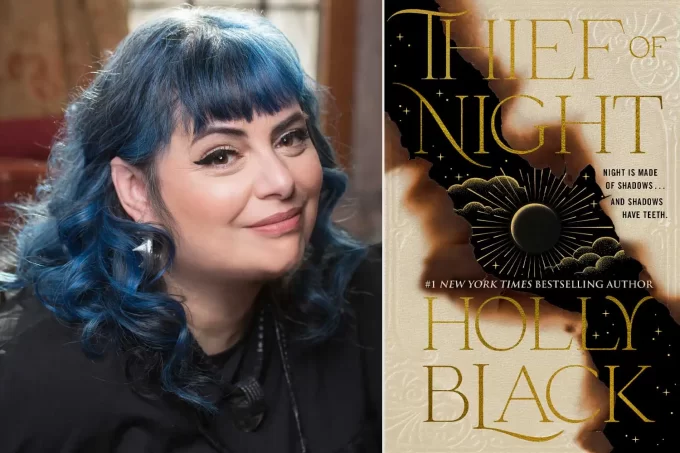
Whispers in the Shadows: Why Holly Black’s Sequel Is a Dark Invitation We Can’t Ignore
The night isn’t just dark—it’s ravenous, greedy, and it’s coming for you....
Chris Marks2 Mins read
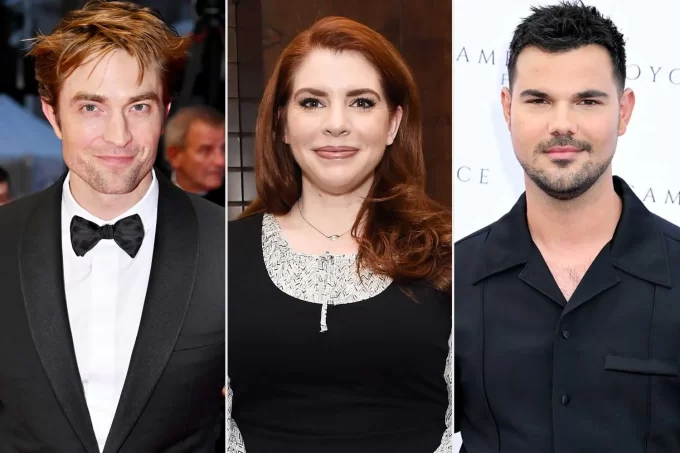
Why Stephenie Meyer’s Regret About Edward Changes Everything You Thought You Knew
The moment Stephenie Meyer admitted she wouldn’t pick Edward Cullen today, a...
Chris Marks2 Mins read

When Fear, Fury & Feathers Collide: Cinema, Superheroes, and a Confessional Album
Open with tension—the kind that threads through a scream, a reveal, and...
Chris Marks2 Mins read





Leave a comment