

The Surprising Resurgence of 98 Degrees: How Mulan’s Soundtrack Saved Their Career
In the ever-evolving world of pop music, 98 Degrees defied the odds with their unexpected return. Their story isn’t just about coming back; it’s about a pivotal moment in history that almost slipped away—an obscure soundtrack, a broken dream, and a legacy reborn.
 Krista FreelandMay 7, 20253 Mins read71
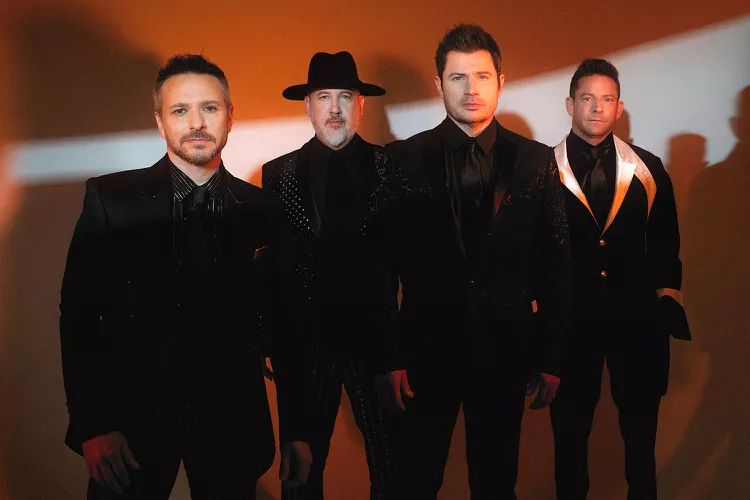
The familiar harmonies of 98 Degrees once dominated the pop charts, but in the midst of fame, something shifted. The band, a staple of late ’90s and early 2000s pop culture, seemed to vanish almost as quickly as they arrived. Yet, as the world shifted, their story—told in whispers and backstage moments—was far from over. There’s a story that isn’t often shared: the one where the unlikeliest of soundtracks saved them from being forgotten.
The backdrop of this resurrection wasn’t the glossy finish of another album or a bold media blitz. No, it was the Mulan soundtrack. Yes, the same Disney masterpiece where, among the film’s iconic tunes, 98 Degrees found themselves not just on a soundtrack, but part of a larger narrative that would reframe their entire trajectory. The question isn’t just how they came back, but how a soundtrack steeped in cultural nostalgia reignited the fading flame of a boy band once lost to the ages.
The Soundtrack That Almost Wasn’t
When 98 Degrees first landed on the Mulan soundtrack, they were just another boy band in a sea of pop acts. But what many forget is that this album wasn’t meant to be a career-defining moment—it was supposed to be just another project. So how did this project transform into the lifeline that saved their career? The key lies not just in the music, but in what the band represents: a connection to an era of pop that, in some ways, never really faded.
In an exclusive interview, Nick Lachey reflected, “It wasn’t just the song; it was the timing. We were trying to find our place in a rapidly changing industry, and that moment, that song, gave us a new reason to exist in the pop world. It didn’t just save us—it redefined us.”
What’s fascinating about this pivot isn’t just the external factors—the changing landscape of pop music, the rise of new genres—but the internal battle 98 Degrees was fighting. They weren’t simply trying to catch up with the times. They were battling to stay relevant while preserving the essence of who they were. And in the sound of Mulan—a soundtrack laced with themes of heroism, identity, and overcoming odds—the band found not just a voice but a rebirth.
Nostalgia Meets Modernity
Pop culture has always thrived on nostalgia, but what happens when nostalgia isn’t just an echo of the past, but a bridge to a new future? For 98 Degrees, this was the delicate balance they had to strike—embracing their legacy while pushing forward into uncharted waters.
The band’s new album, their first in over a decade, is both a testament to their past and a deliberate foray into new territory. It’s a blend of polished nostalgia and modern soundscapes, where each note carries the weight of a decade spent in the shadows and the promise of a future yet to unfold. But the real question is: what does this moment mean for the boy bands of yesteryear? Can they all find such a revival, or is 98 Degrees alone in their ability to seamlessly reenter a space once left behind?
In a world obsessed with reinvention, the answer lies somewhere between the fleeting power of fame and the enduring nature of timeless music. The trajectory of 98 Degrees, from Disney’s Mulan to a new album, illustrates this delicate dance—a dance many other pop stars may soon be forced to learn. But in the end, it raises an unsettling question: will we continue to embrace these nostalgic icons, or are we destined to leave them behind once again?
For 98 Degrees, the road to recovery wasn’t about keeping up with the times—it was about tapping into something deeper, something that resonated not just with their generation, but with new listeners hungry for something real. Whether this success is a fleeting moment or a lasting resurgence, one thing is clear: the band has found a way to craft a new legacy, one note at a time.







Laufey’s Opening Night Show at LA’s Crypto.com Arena: Best Moments
Laufey opened a two-night stand at Crypto.com Arena in downtown Los Angeles...
 Chris Marks6 Mins read

Julie Adam Is Billboard Canada Women in Music’s 2025 Exec of the Year
Julie Adam is having a milestone year — and it’s getting even...
Chris Marks4 Mins read

Spinal Tap Tribute Album with Foo Fighters,Tool for Teen Cancer America
Spinal Tap may be a fake band, but its music is very...
Chris Marks2 Mins read
AxMxP Is K-Pop Rookie of the Month for September: Exclusive Photos
Ha Yoo Joon Image Credit: Chin Soyeon You debuted on Sept. 10....
Chris Marks2 Mins read





Leave a comment