

Berlin’s Bold Reckoning: When Cinema Confronts October 7
At the 2025 Jewish Film Festival Berlin Brandenburg, two films—Of Dogs and Men and Holding Liat—won top honors for their unflinching portrayals of the October 7 attacks. But what does it mean when art becomes the battlefield for history's most painful truths?
 Chris MarksMay 9, 20252 Mins read31
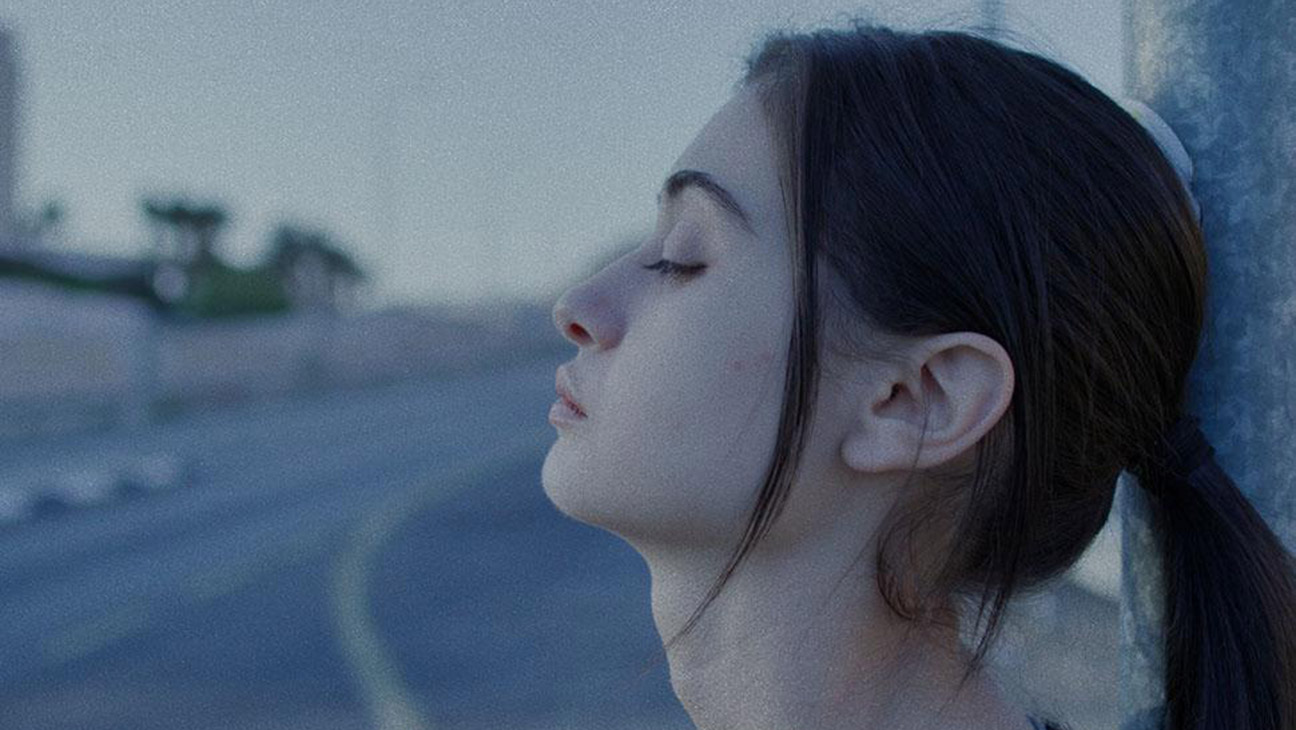
The screen flickers to life, and suddenly, the world is watching. Not the polished, curated version of reality we’re accustomed to, but the raw, unfiltered aftermath of October 7. This isn’t fiction—it’s the stark truth, captured in real time. At the 2025 Jewish Film Festival Berlin Brandenburg, two films dared to confront this truth head-on, earning the festival’s highest honors. But what does it mean when cinema becomes the mirror to our darkest days?
A Silent Witness
In the heart of Nir Oz, a kibbutz scarred by tragedy, a young girl returns to search for her lost dog. But her quest is more than a child’s longing—it’s a journey into the soul of a community torn apart. Of Dogs and Men, directed by Dani Rosenberg, was filmed just weeks after the attacks, with survivors speaking directly to the camera. The jury praised its “courageous gesture” of choosing to film in a war zone and its artful blending of fiction and documentary storytelling. Yet, one must ask: can art truly capture the depth of such loss, or does it risk commodifying grief?
A Mother’s Wait
Across the globe, in the quiet of a family home, a mother waits. Her daughter, Liat, was abducted during the October 7 attacks, and her fate remains unknown. Holding Liat, directed by Brandon Kramer, chronicles the harrowing journey of Liat’s parents as they navigate the labyrinth of bureaucracy and uncertainty. The film won the Gershon Klein Documentary Film Award, with the jury describing it as “a story of parenthood, perseverance, and politics.” But in this portrayal, where is the line between documentary and exploitation?
A Festival’s Reckoning
The Jewish Film Festival Berlin Brandenburg isn’t just showcasing these films—it’s engaging in a larger conversation about memory, trauma, and representation. Andreas Stein, the festival’s managing director, noted the “diverse program selection” and the “excellent atmosphere” in the cinemas. But behind the accolades lies a question: are we ready to confront the uncomfortable truths these films present, or are we merely paying lip service to the past?
The Unseen Cost
As the credits roll and the lights come up, the audience is left with more than just images—they’re left with questions. What is the cost of remembering? How do we honor the victims without reducing their stories to narratives? And perhaps most unsettling of all: in our quest for understanding, are we perpetuating the very cycles of violence we seek to end?
In the end, these films are more than just stories—they are calls to action. They demand that we look, truly look, at the pain and resilience of those affected by the October 7 attacks. And in that gaze, perhaps we find the beginning of healing.





Start the New Year by Investing in Yourself – Hollywood Life
Image Credit: European Wax Center The new year is all about fresh...
 Kirsten Collins2 Mins read
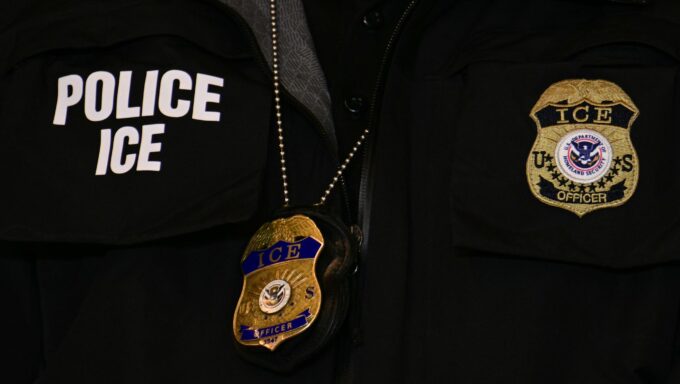
Where Is Liam Conejo Ramos Now? Updates on 5-Year-Old’s ICE Detainment – Hollywood Life
Image Credit: Getty Images Liam Conejo Ramos came home from preschool while...
Kirsten Collins2 Mins read
AirTalk Wireless Offers Free Wireless Service to Underserved Folks, Online & Offline – Hollywood Life
Image Credit: Pexels California may be home to Silicon Valley, but many...
Kirsten Collins3 Mins read
Who Is Harry Styles’ ‘Aperture’ About? Breakdown of the Lyrics – Hollywood Life
View gallery Image Credit: Getty Images We’ve doing doing all this late...
Kirsten Collins1 Mins read



Leave a comment