

“Pete Rose’s Reinstatement: A Game-Changer for Hall of Fame History?”
Pete Rose's reinstatement by MLB has reopened the debate on integrity, legacy, and justice in baseball. Could this shift pave the way for other controversial figures like Barry Bonds and Alex Rodriguez to finally earn their place in Cooperstown?
 Krista FreelandMay 14, 20252 Mins read28
When MLB Commissioner Rob Manfred lifted the lifetime bans on Pete Rose and Shoeless Joe Jackson, the baseball world did more than blink—it gasped. This unprecedented move has not only resurrected two of the game’s most controversial figures but has also ignited a firestorm of questions about justice, legacy, and the very soul of America’s pastime.
The Unlikely Reversal
Pete Rose, the all-time hits leader, was banned in 1989 for betting on baseball games. Shoeless Joe Jackson, implicated in the 1919 Black Sox scandal, faced a similar fate. Yet, in a stunning policy shift, Manfred declared that deceased individuals no longer pose a threat to the game’s integrity, thereby restoring their eligibility for Hall of Fame consideration. This decision raises a provocative question: What does it mean for the Hall of Fame to reconsider figures once deemed irredeemable?
A New Era for the Hall of Fame?
The Hall of Fame’s chairman, Jane Forbes Clark, affirmed that anyone removed from the ineligible list becomes eligible for Hall of Fame consideration. However, the path to induction is far from straightforward. Candidates like Rose and Jackson must now be evaluated by the Classic Baseball Era Committee, which convenes every three years, with the next meeting scheduled for December 2027. This process introduces a new layer of complexity: Can the Hall of Fame truly separate the player from the scandal?
The Steroid Era Dilemma
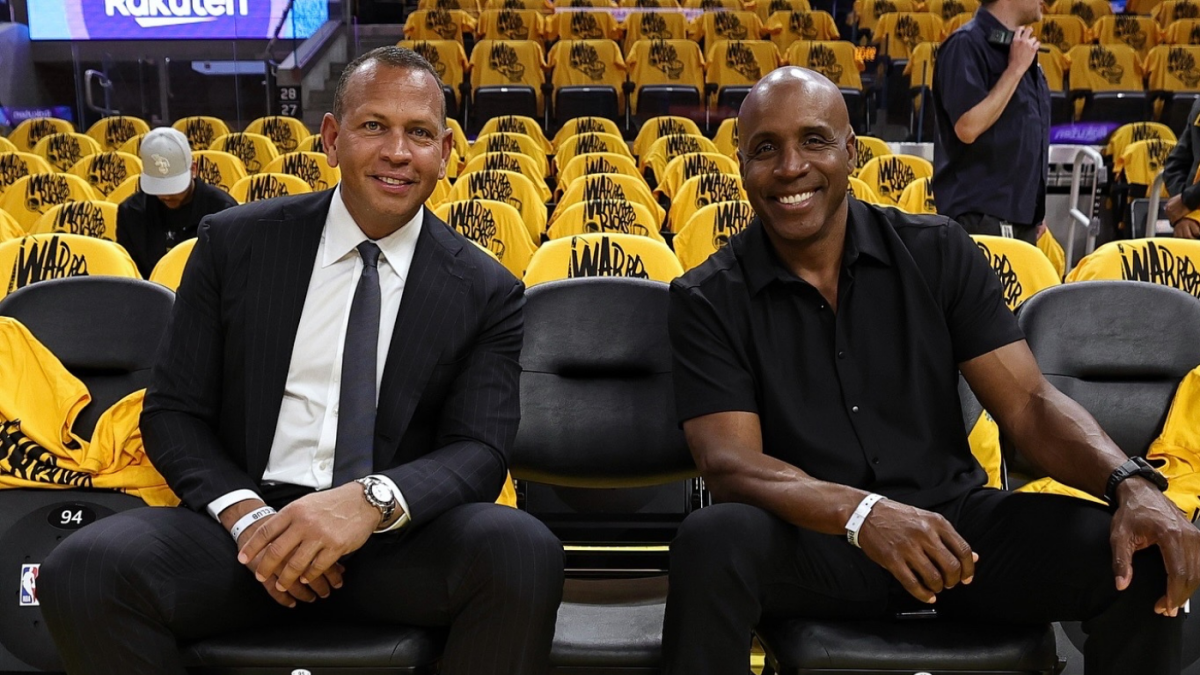
As the gates of Cooperstown creak open for Rose and Jackson, the spotlight turns to other figures whose legacies are marred by controversy. Barry Bonds, the all-time home run king, and Alex Rodriguez, a seven-time MVP, both face exclusion due to alleged ties to performance-enhancing drugs. Their cases prompt a critical examination: Should the Hall of Fame’s doors swing open wider, or should they remain steadfast in their gatekeeping?
The Integrity Conundrum
Critics argue that reinstating figures like Rose and Jackson undermines the integrity of the game. Yet, as MLB embraces partnerships with betting companies, the line between moral high ground and hypocrisy blurs. This juxtaposition forces us to confront a difficult truth: Is baseball’s commitment to integrity selective, or has the definition itself evolved?
A Legacy Rewritten
Pete Rose’s reinstatement is more than a policy change; it’s a cultural reckoning. It challenges us to reconsider who deserves redemption and what it means to honor the game’s history. As the Hall of Fame’s doors inch open, we must ask ourselves: Are we ready to welcome back the ghosts of baseball’s past?






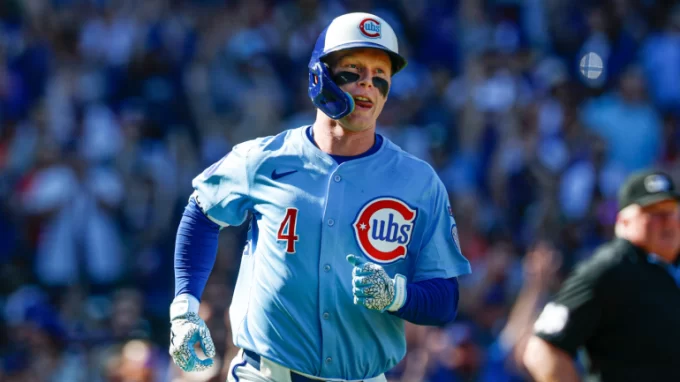
Pete Crow-Armstrong’s 30-30 Leap: Cubs’ New Legend or Flicker in the Wind?
There’s a crack that splits the summer air—sharp, electric, unforgettable. Pete Crow-Armstrong’s...
 Chris Marks2 Mins read
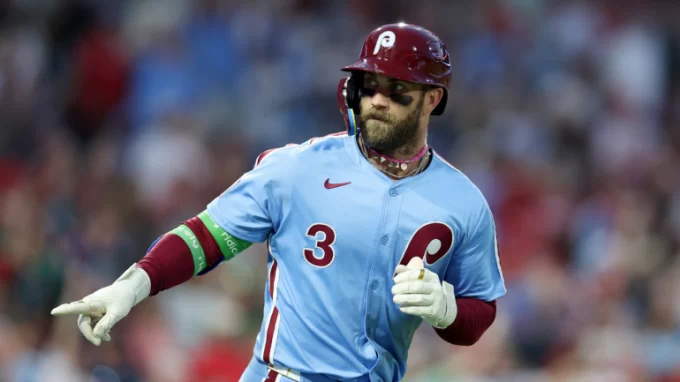
When Mets Heat Up and Giants Rise: The Final Push That Could Redefine Baseball’s Power Players
The crack of the bat slices through the tension like a whispered...
 Kirsten Collins2 Mins read
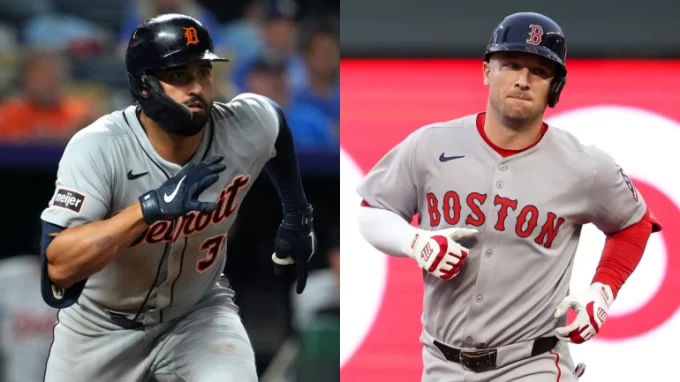
The Final Weekend That Could Rewrite the American League’s Fate
The roar of the crowd is barely a whisper compared to the...
Kirsten Collins2 Mins read
Three Games to Rewrite Destiny: MLB’s Final Weekend Unfolds Like a Thriller
The stadium lights don’t just illuminate the field—they spotlight the fragility of...
Kirsten Collins1 Mins read





Leave a comment