

When the Masters Are Banned: What Happens When Inzaghi and Conte Aren’t on the Touchline?
The dramatic absence of two iconic Serie A managers, Simone Inzaghi and Antonio Conte, raises more questions than answers. How does their banishment affect their teams, and what does it say about power dynamics in Italian football?
 Kirsten CollinsMay 20, 20252 Mins read42
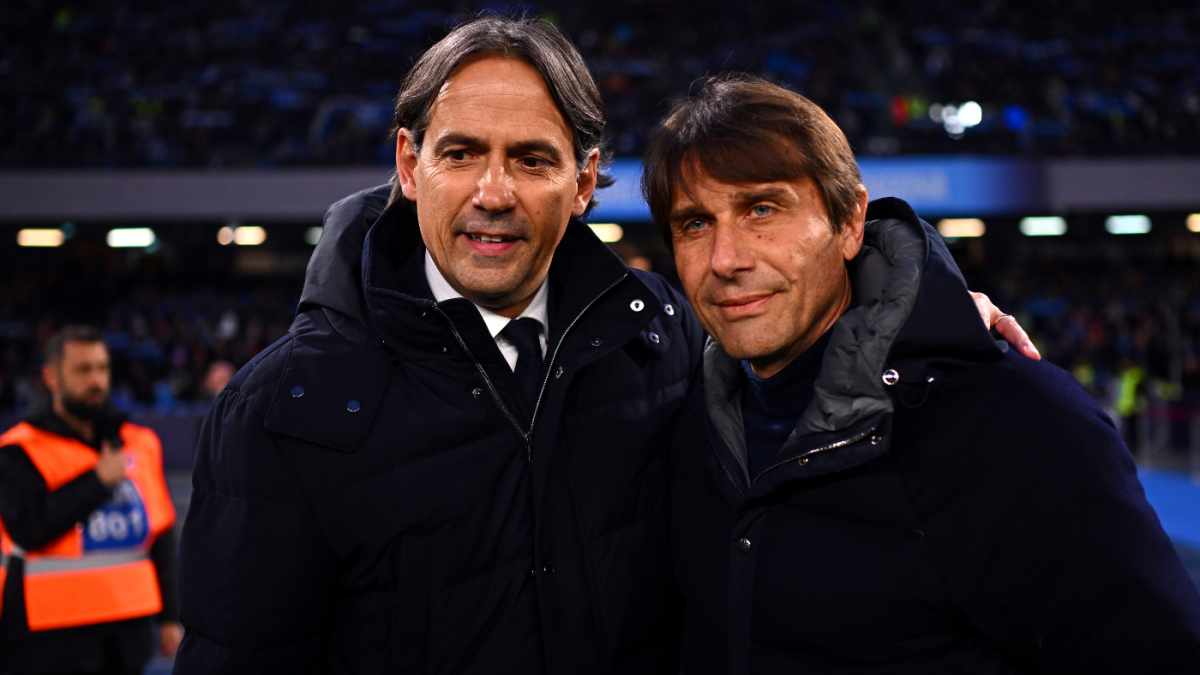
What does it mean when the men who command the touchline are suddenly nowhere to be found?
Inzaghi and Conte are not just managers; they are the pulse of their teams, orchestrating every move with a finesse that seems to bend the very fabric of Serie A to their will. But this Friday, both are missing—suspended from the touchline, unable to yell, gesticulate, or carve out victory with their characteristic fervor. And suddenly, the game feels different. Not just for Inter Milan and Napoli, but for all of Italian football.
Is it the managers who make the teams, or do the teams make the managers? The question hangs like a dark cloud over the match that awaits. Inter’s resolve will be tested without Inzaghi’s tactical genius guiding them, while Napoli will face the challenge of navigating a high-stakes encounter without the fiery presence of Conte. Can these teams adapt without the men who breathe life into them, or does their absence reveal the true fragility of the power they wield?
The Unseen Power of the Manager
Inzaghi and Conte are often celebrated not just for their tactical acumen but for the way they shape their teams’ very identity. Under Inzaghi, Inter Milan has become a blend of meticulous control and opportunistic brilliance. Conte, meanwhile, has built Napoli into a relentless, pressing machine that has dominated the Italian league with aggressive flair. When they are banned, these tactical maestros, as omnipresent as they are from the sidelines, leave behind a gaping void. It’s like the conductor of a symphony stepping away mid-performance—will the musicians continue to play in harmony, or will the melody falter?
And that’s the heart of the dilemma. We watch the spectacle of football, but behind it lies the manager’s power to dictate. Their absence might force a team to find new rhythms, but does it also expose how much they depend on these figures to stay on track?
“Football isn’t just about the players on the pitch, it’s about the vision from the sidelines,” says an insider close to both clubs. “When the managers aren’t there, it’s not just a tactical shift—it’s a psychological one. The players, for all their skill, are forced to ask: ‘Can we do this without them?’”
A Game Within a Game
The drama that unfolds this weekend isn’t just about who wins or loses. It’s about power, hierarchy, and control. Serie A, with its tradition and passion, has always been a battlefield for managerial dominance. From Conte’s fiery leadership at Juventus to Inzaghi’s meticulous planning at Lazio and now Inter, these men have carved legacies that transcend their teams.
But now, stripped of their presence on the touchline, what happens to the dynamic of their clubs? The other coaches, the assistants, the players—all will be thrust into positions that feel unfamiliar, uncomfortable. This is not just a question of tactics; it’s about who holds sway in the dressing room. Who truly runs the show? Without their masters orchestrating the play from the sidelines, will the teams lose their edge?
Inzaghi’s calculated approach and Conte’s fierce intensity have given their teams an unmistakable identity. Without them, will we see a different side to Inter and Napoli? Or will their absence only serve to highlight how much they’ve come to rely on their managers’ presence?
As the final whistle blows this Friday and the dust settles, one question will echo louder than any other: Does football belong to the players, or do the masterminds behind them hold the true keys to victory?
The game continues—but the power dynamics have shifted, if only for a moment. And in that moment, it might just be more than the teams who are being tested.




Barcelona’s Fragile Pursuit: When Injuries Threaten More Than Just a Season
A silence spreads over Camp Nou that no roar can drown out—two...
 Chris Marks2 Mins read
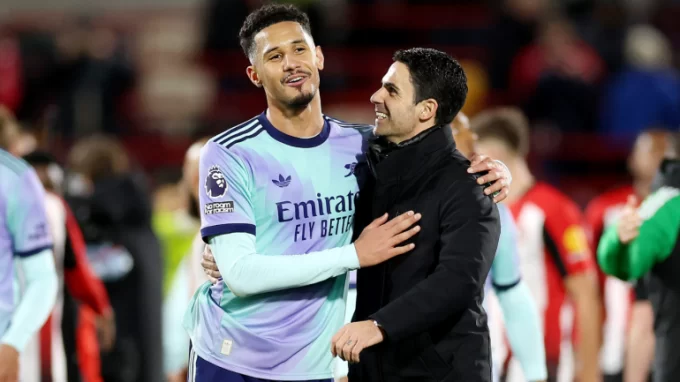
William Saliba: Arsenal’s Silent Architect or Its Greatest Gamble?
The air inside the Emirates shifts with unspoken tension—William Saliba, once a...
 Joseph Bennett2 Mins read
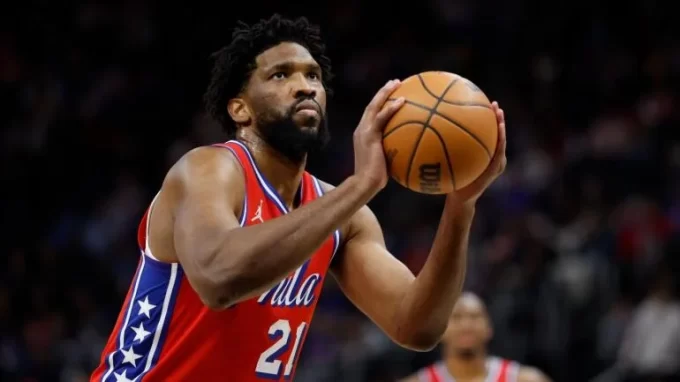
Joel Embiid’s Quiet Confidence: Is the 76ers’ Giant Ready to Rewrite His Story?
Joel Embiid is rarely one to make noise without purpose, and now,...
Kirsten Collins1 Mins read
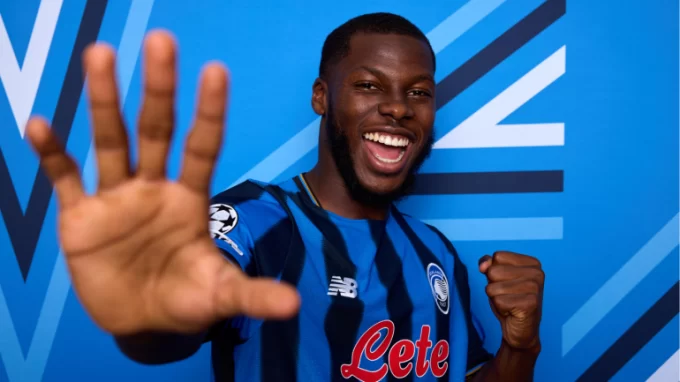
Juventus, Atalanta, and Arsenal’s Quiet Revolution: What’s Really Shaping This Week in Football?
The roar of Serie A stadiums masks a subtle shift, one that...
Kirsten Collins2 Mins read





Leave a comment