

Honorary or Inevitable? LeBron James and the Degree That Defies Expectation
Ohio State’s decision to award LeBron James an honorary degree for his philanthropic work in Akron raises questions about the evolving meaning of education, legacy, and influence beyond the classroom.
 Chris MarksMay 22, 20252 Mins read66
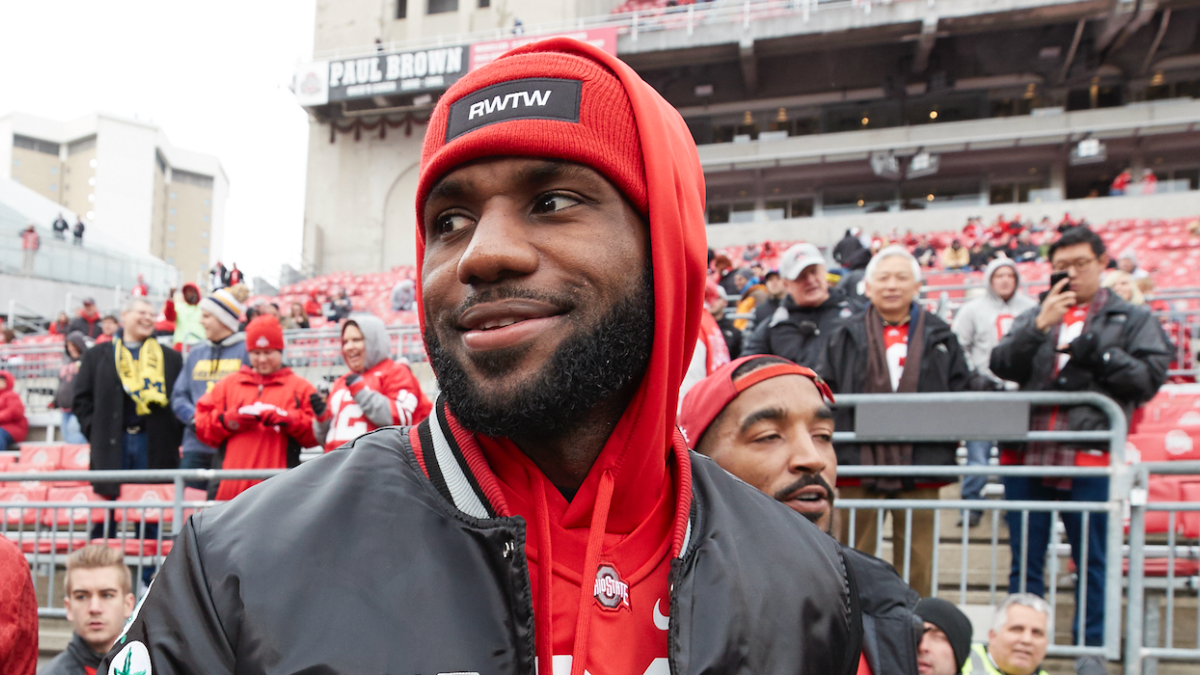
The stage is set — a polished ceremony, bright lights, an unexpected honor bestowed upon a man whose classroom was the streets of Akron, not the lecture halls of academia. LeBron James, athlete, icon, philanthropist, is about to receive an honorary degree from Ohio State University. But what does this accolade truly signify in a world where influence increasingly outpaces formal education?
To call this moment a simple celebration feels reductive. It’s a cultural crossroads, a reflection of how society now measures impact—sometimes far beyond textbooks and transcripts. LeBron’s story is stitched into the fabric of Akron, a city he has relentlessly uplifted through his foundation, transforming lives in ways institutions sometimes fail to.
Degrees of Power
Ohio State’s choice to honor LeBron is not just about philanthropy; it is a tacit acknowledgment of a shifting power dynamic. When a sports titan, who famously skipped college basketball for the NBA, is awarded a symbol of academic achievement, it challenges old notions of prestige. What does it say about the value of lived experience versus traditional schooling? As one university official noted, “LeBron embodies leadership and dedication to community—qualities as vital as any academic discipline.”
Yet, underneath the applause, a question lingers: Are honorary degrees becoming a currency for celebrity validation rather than pure scholarly merit? And if so, does this dilute the meaning of academic honors or elevate them into new realms of cultural relevance?
Legacy Beyond the Court
LeBron’s impact in Akron is undeniable—scholarships, youth centers, and a tangible hope injected into a city often sidelined. This degree, therefore, is as much a testament to a legacy of transformation as it is a symbolic academic nod. “Education,” LeBron has said in interviews, “doesn’t just happen in classrooms. It happens in communities.” His work blurs the lines between athlete and activist, superstar and servant leader.
But as the conferral nears, one wonders: Will this degree cement his place in history only as a basketball legend or as a new archetype of influence—where cultural capital and social responsibility intersect?
The ceremony will unfold with applause and acclaim, yet the ripples of this moment extend far beyond the auditorium. What is the true currency of education in a world where impact, not just intellect, defines greatness? And can a degree without traditional study reshape the way we understand knowledge, honor, and achievement?
The answer, perhaps, lies somewhere between the hardwood and the halls of Ohio State—waiting for us to decide what legacy really means.





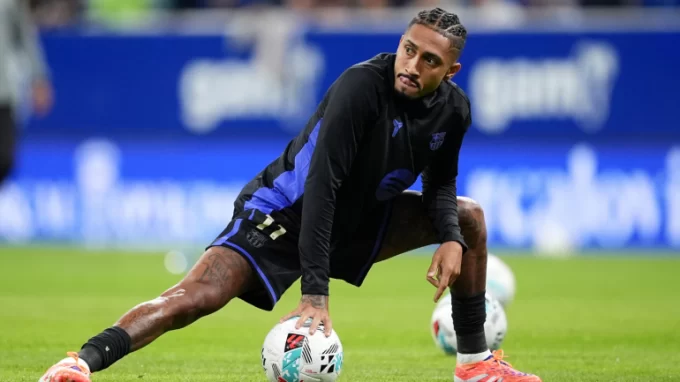
Barcelona’s Fragile Pursuit: When Injuries Threaten More Than Just a Season
A silence spreads over Camp Nou that no roar can drown out—two...
Chris Marks2 Mins read

William Saliba: Arsenal’s Silent Architect or Its Greatest Gamble?
The air inside the Emirates shifts with unspoken tension—William Saliba, once a...
 Joseph Bennett2 Mins read
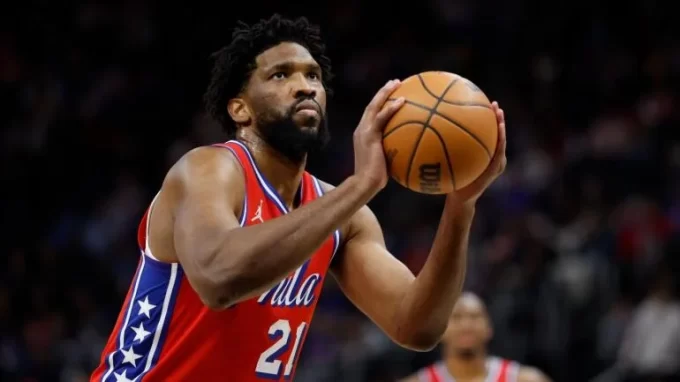
Joel Embiid’s Quiet Confidence: Is the 76ers’ Giant Ready to Rewrite His Story?
Joel Embiid is rarely one to make noise without purpose, and now,...
 Kirsten Collins1 Mins read
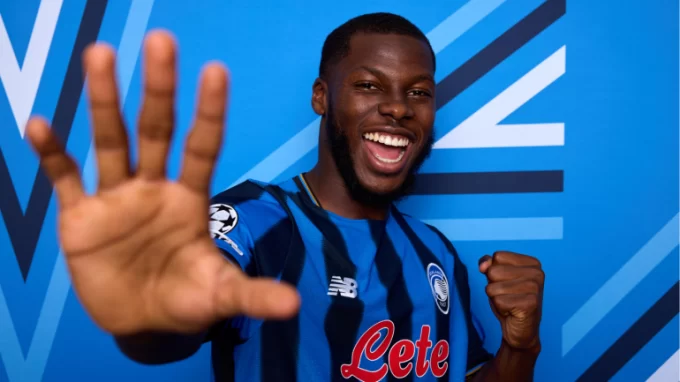
Juventus, Atalanta, and Arsenal’s Quiet Revolution: What’s Really Shaping This Week in Football?
The roar of Serie A stadiums masks a subtle shift, one that...
Kirsten Collins2 Mins read





Leave a comment