

Scoreboard Watching: The Unspoken Art of Early Season Obsession
In the world of baseball fandom, scoreboard watching isn't just a pastime—it's a declaration. But when does this early-season obsession cross the line from passionate to pathological?
 Chris MarksMay 27, 20251 Mins read32
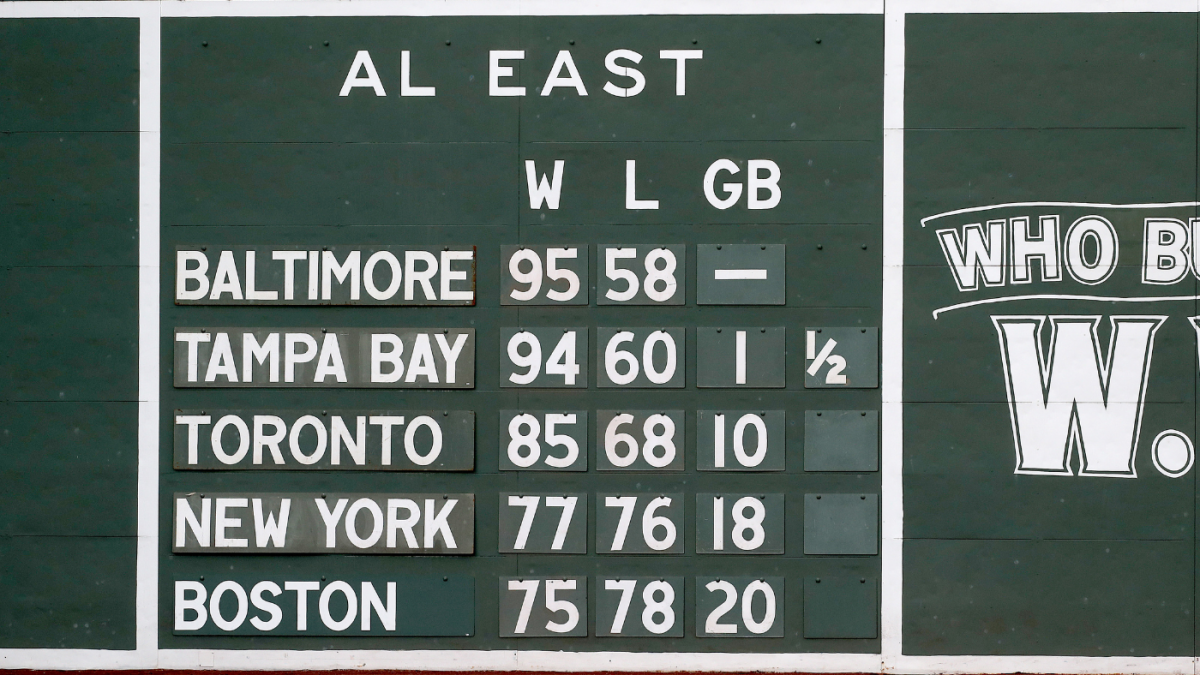
The scoreboard flickers, and with it, a fan’s heartbeat quickens. It’s not just numbers on a screen—it’s a reflection of hope, anxiety, and the unspoken rules of fandom. In the dim glow of early spring, before the season’s narrative is fully written, fans are already watching the scoreboard. But why?
The Illusion of Control
“You’re checking the standings in MAY?” The judgment is palpable, yet the act is universal. Why wait for September when the scoreboard offers a glimpse into the future? In a sport defined by its marathon nature, the scoreboard becomes a lifeline, a way to tether ourselves to the unfolding drama. But is this early fixation a sign of passion, or a symptom of something deeper?
The Fan’s Dilemma
To scoreboard watch is to acknowledge the fragility of the season. A single game can shift the balance, turning a contender into a pretender. Yet, in this obsession, fans find camaraderie. Shared glances at standings, whispered hopes during late innings—these moments bind the community. But as the season progresses, does this early fixation evolve into a burden?
The Unseen Toll
The scoreboard, once a source of joy, can become an instrument of anxiety. Each loss feels magnified, each win a fleeting comfort. In the quest for control, fans may find themselves ensnared by the very thing they sought to master. Is the scoreboard watching a reflection of love for the game, or a deeper need to assert control over an unpredictable world?
The Quiet Question
As the season unfolds, the scoreboard continues to glow. Fans will watch, analyze, and hope. But in the quiet moments, away from the numbers and standings, one must ask: What does the scoreboard truly reflect? Is it the state of the game, or the state of the fan’s heart?







Barcelona’s Fragile Pursuit: When Injuries Threaten More Than Just a Season
A silence spreads over Camp Nou that no roar can drown out—two...
Chris Marks2 Mins read
William Saliba: Arsenal’s Silent Architect or Its Greatest Gamble?
The air inside the Emirates shifts with unspoken tension—William Saliba, once a...
 Joseph Bennett2 Mins read
Joel Embiid’s Quiet Confidence: Is the 76ers’ Giant Ready to Rewrite His Story?
Joel Embiid is rarely one to make noise without purpose, and now,...
 Kirsten Collins1 Mins read
Juventus, Atalanta, and Arsenal’s Quiet Revolution: What’s Really Shaping This Week in Football?
The roar of Serie A stadiums masks a subtle shift, one that...
Kirsten Collins2 Mins read





Leave a comment