

Unapologetic Desire: Sabrina Carpenter’s Fiery Rebuttal to Her NSFW Critics
Sabrina Carpenter confronts the backlash against her explicit lyrics with a bold declaration that challenges societal taboos around female sexuality and creative freedom. But is her defiance merely provocation—or a much-needed cultural reckoning?
 Kirsten CollinsJune 12, 20252 Mins read17
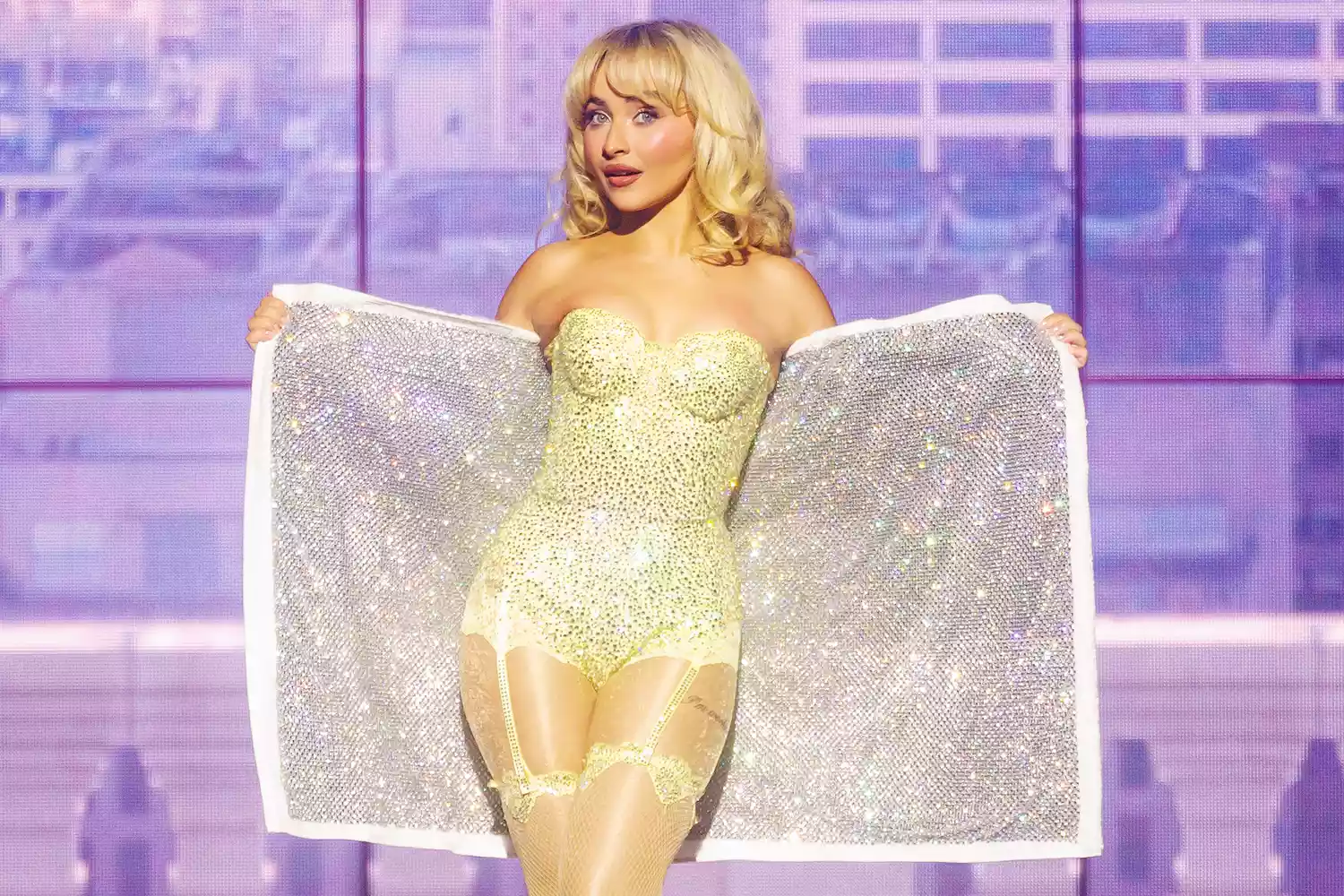
A lyric isn’t just a string of words—it’s a challenge, a declaration, a mirror held up to society’s discomfort. Sabrina Carpenter’s latest dive into NSFW territory sent ripples far beyond the streaming charts, igniting a firestorm of criticism that exposed much more than just her provocative lines. What does it say when a young woman’s celebration of desire becomes a battleground for cultural values?
Carpenter’s response was as unflinching as her lyrics: “Clearly, you love sex,” she said, slicing through the noise with the precision of a laser. The statement is both a call-out and a confession, daring critics to examine their own voyeuristic fascination. But beneath the surface, her words stir deeper questions: why is female sexuality still so threatening? And why do artists like Carpenter become the lightning rods for society’s unresolved anxieties?
Lyrics as Liberation
The backlash feels almost inevitable when women take control of their narratives in music—especially when those narratives venture into realms deemed too “explicit” or “uncomfortable.” Carpenter’s refusal to retreat is more than rebellion; it’s a cultural manifesto. The song becomes a site of empowerment, flipping the script on who gets to talk about sex, and how.
In the age of endless content, where streaming platforms blur lines between private and public, Carpenter’s unabashed lyrics insist on visibility. “If you’re listening, then you already want it,” she seems to say. Is it not time to stop policing female desire and start celebrating its many voices?
The Double-Edged Sword of Provocation
Yet, the very provocation that fuels Carpenter’s artistry also invites scrutiny—where is the line between artistic expression and alienation of audiences? Critics argue it’s too much, too soon, or too explicit. But Carpenter’s sharp retort reveals the hypocrisy: the discomfort isn’t about the music itself, but what it exposes in those listening.
Her defiance pushes us to reconsider who holds power in the music industry, and why female artists must navigate a labyrinth of judgment that their male counterparts rarely face. “I’m not here to make you comfortable,” Carpenter’s stance whispers—so, who really deserves the right to discomfort?
Sabrina Carpenter’s NSFW lyrics are more than just words—they are a cultural crack, a space where society’s taboos and hypocrisies spill out. As she dares us to look closer, the question remains: are we ready to face what we see? Or will the silence after the music fall heavier than the words themselves?




Laufey’s Opening Night Show at LA’s Crypto.com Arena: Best Moments
Laufey opened a two-night stand at Crypto.com Arena in downtown Los Angeles...
 Chris Marks6 Mins read
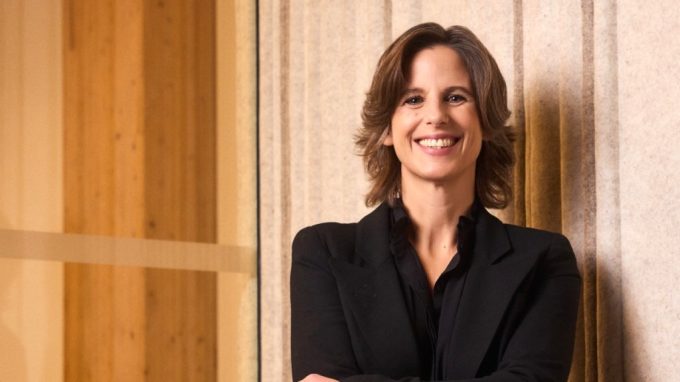
Julie Adam Is Billboard Canada Women in Music’s 2025 Exec of the Year
Julie Adam is having a milestone year — and it’s getting even...
Chris Marks4 Mins read

Spinal Tap Tribute Album with Foo Fighters,Tool for Teen Cancer America
Spinal Tap may be a fake band, but its music is very...
Chris Marks2 Mins read
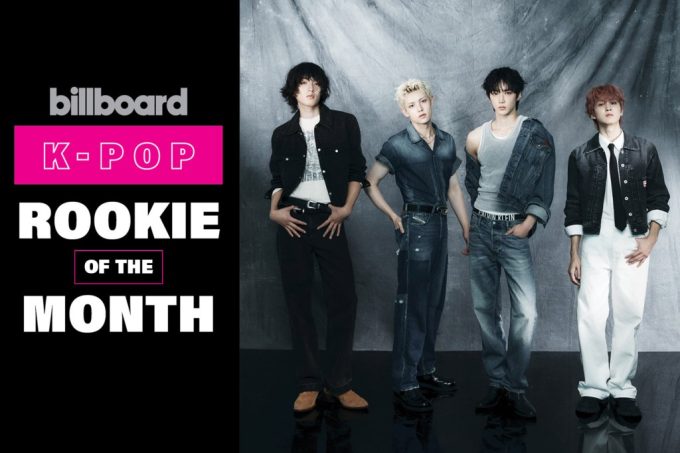
AxMxP Is K-Pop Rookie of the Month for September: Exclusive Photos
Ha Yoo Joon Image Credit: Chin Soyeon You debuted on Sept. 10....
Chris Marks2 Mins read




Leave a comment