

BabyTron’s 45-Beat Odyssey: A Rap History Rewritten?
In an astonishing display of lyrical agility, BabyTron rapped over 45 beats, traversing decades of hip-hop’s evolution — but does this marathon of styles reveal mastery, homage, or something more disruptive?
 Joseph BennettJune 16, 20251 Mins read18
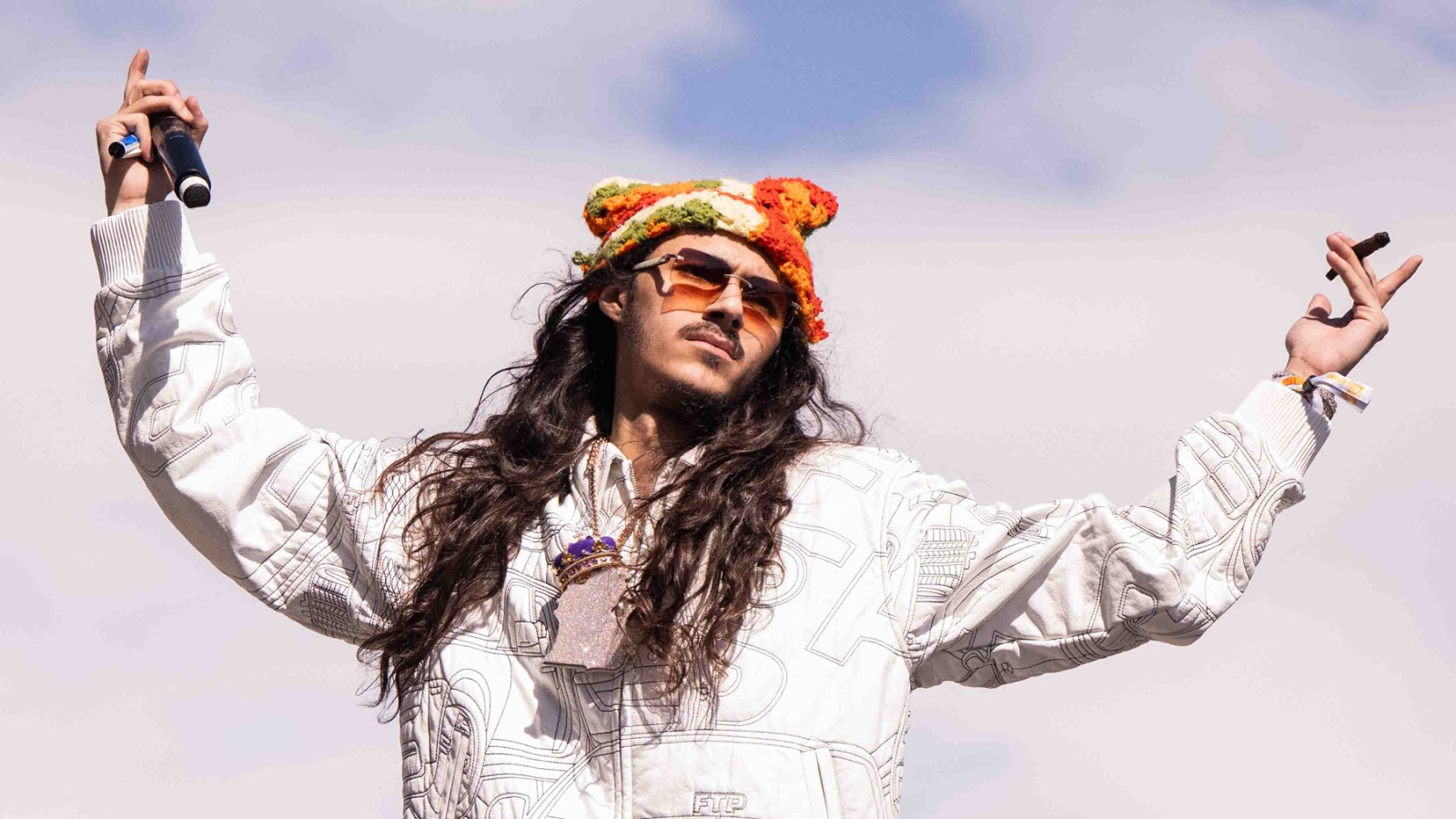
When BabyTron steps to the mic, it’s never just a performance — it’s a seismic shift. Forty-five beats, spanning hip-hop’s sprawling history, each demanding a different voice, a different energy, a new attitude. To watch him navigate this labyrinth is to witness not just skill, but a reckoning with what it means to be a rapper in an age obsessed with both innovation and reverence. But what story does this journey really tell?
Each beat unfolds like a chapter in a sprawling epic — from the raw grit of the early days to the polished swagger of the new guard. Yet BabyTron’s delivery resists easy categorization. Is he a curator of tradition, or a provocateur who fractures the canon with every bar? The lines blur, and with them, the boundaries of hip-hop’s identity shift beneath our feet.
The Weight of a Verse
In a culture where history is often mythologized, BabyTron’s feat is a bold statement: mastery is measured not just in originality, but in dialogue with the past. “Every beat carries its own story,” BabyTron remarked, “and my job is to be the thread that connects them — but also to unravel what you thought you knew.” His rapid-fire transitions are less about mimicry and more about conversation — a challenge to the listeners’ expectations and to the genre’s static narratives.
The sheer breadth of his project forces us to ask—how do we honor influence without becoming prisoners of it? BabyTron’s work suggests that the future of hip-hop might lie in its restless reinvention, not its preservation.
Between Homage and Disruption
BabyTron’s marathon doesn’t just skim the surface. It dives headfirst into the contradictions of hip-hop itself: reverence tangled with rebellion, history entangled with innovation. Each beat is a battleground where past icons and new visions collide. The result? A performance that’s as much about deconstruction as celebration.
This is not nostalgia. It’s a restless, electric interrogation of identity, tradition, and the very meaning of voice. As the final bars fade, the lingering question is clear: when a single artist can channel generations in one breath, what does that mean for the future of hip-hop’s singular, uncompromising spirit?


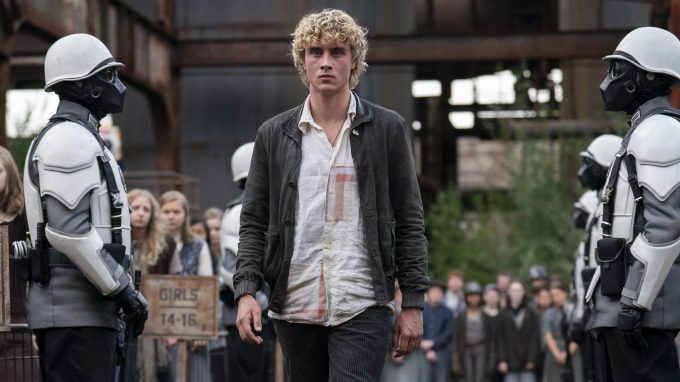




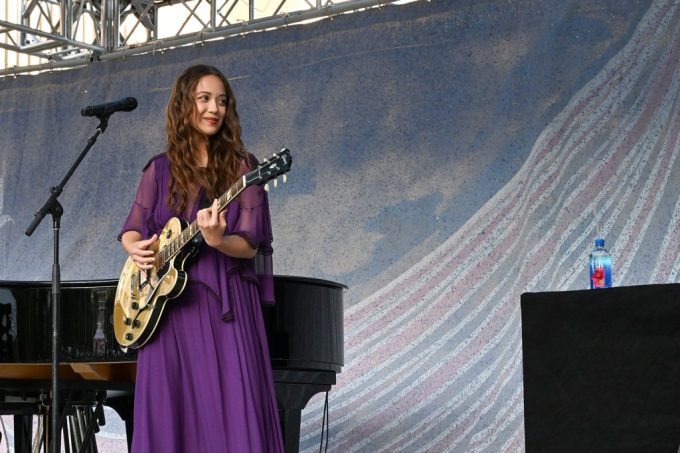
Laufey’s Opening Night Show at LA’s Crypto.com Arena: Best Moments
Laufey opened a two-night stand at Crypto.com Arena in downtown Los Angeles...
 Chris Marks6 Mins read
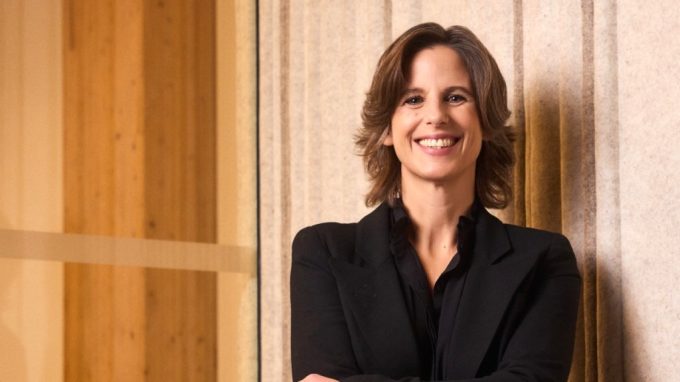
Julie Adam Is Billboard Canada Women in Music’s 2025 Exec of the Year
Julie Adam is having a milestone year — and it’s getting even...
Chris Marks4 Mins read

Spinal Tap Tribute Album with Foo Fighters,Tool for Teen Cancer America
Spinal Tap may be a fake band, but its music is very...
Chris Marks2 Mins read

AxMxP Is K-Pop Rookie of the Month for September: Exclusive Photos
Ha Yoo Joon Image Credit: Chin Soyeon You debuted on Sept. 10....
Chris Marks2 Mins read





Leave a comment