

The Scream Queen’s Scar: What Jennifer Love Hewitt’s On-Set Injury Really Reveals
While filming one of the most iconic teen horror films of the '90s, Jennifer Love Hewitt was literally hooked—an eerie accident that now feels more like metaphor than mishap. But what does it say about the industry that made pain part of the performance?
 Chris MarksJune 12, 20252 Mins read24
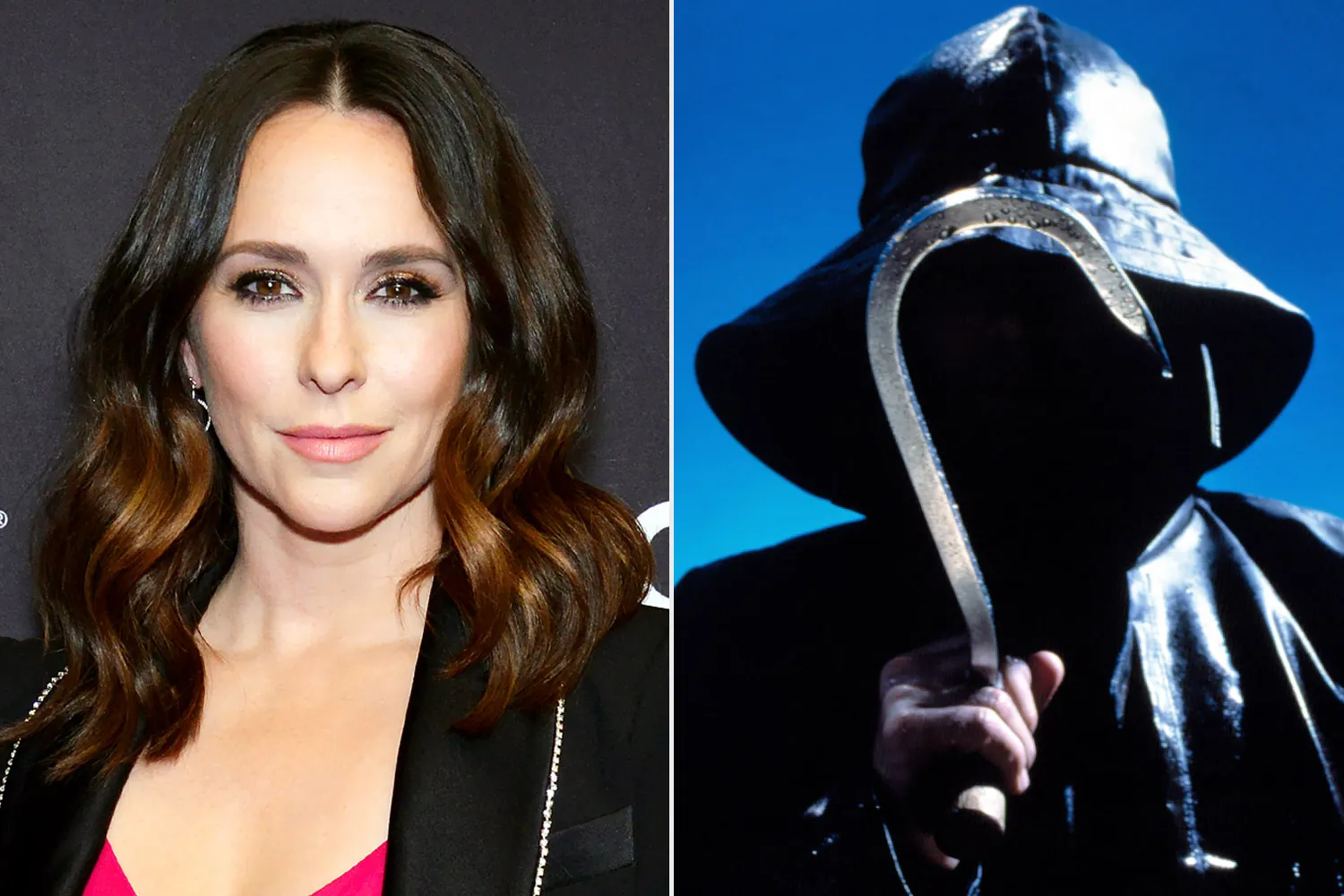
The hook didn’t just graze her—it pierced. A literal metal fishing hook lodged into Jennifer Love Hewitt’s ankle during the filming of I Know What You Did Last Summer, leaving more than a physical scar. It’s a chilling detail, newly revealed decades later, and one that feels too symbolically perfect to be forgotten: the final girl, bleeding for real, before the cameras even started rolling.
It’s the kind of revelation that alters the texture of your nostalgia. Because that scream—that wide-eyed panic we thought was just good acting? Maybe it wasn’t. Maybe the ‘90s horror boom wasn’t just about blood on screen, but a quiet, unspoken expectation that women should hurt—convincingly, photogenically, and without complaint.
The High Cost of Screaming
The horror genre has long demanded a peculiar kind of performance from its heroines. Beauty in terror. Fragility in strength. And silence, always, behind the scenes. Jennifer Love Hewitt, with her big eyes and barely-contained hysteria, became emblematic of a decade’s worth of fear-fantasy. But behind that breathless chase scene? A ripped ankle, a sharp object embedded in her skin.
She told it recently, casually: “I actually got hooked. In the ankle. For real.” Like it was a footnote. Like pain was just part of the audition. But it makes you wonder—how many women in Hollywood have worn wounds like accessories, laughed them off for talk shows, internalized them as dues paid? In horror, the camera never flinches—but it also rarely asks.
When the Reel Mirrors the Real
There’s something uncanny about that moment, frozen in the cultural memory: Jennifer screaming, drenched in sweat and fear, running barefoot across the screen while something—someone—chases her. We watched it thinking it was fiction. But what if the pain was real, and the performance merely the echo?
The hook incident isn’t just a grisly anecdote—it’s a rupture. It reminds us that the performance of femininity under pressure, especially in horror, often borrows its realism from very real discomfort. Jennifer’s story pulls back the curtain on a genre that loves to dissect women, frame by frame, but rarely considers what they absorb in return.
And now, decades later, as she retells the tale with a laugh—more seasoned, more reflective—you can’t help but hear something underneath. Not regret, not bitterness, but a kind of quiet question: How much of myself did I give you, and did you even notice?







Pianist Omar Harfouch Brings Celebrated Figures Together for a Night of Cultural Exchange – Hollywood Life
Image Credit: Omar Harfouch On February 20, 2026, pianist and cultural figure...
 Kirsten Collins2 Mins read
Who Is Ivana Lisette Ortiz? About the Rihanna Home Shooting Suspect – Hollywood Life
Image Credit: WWD via Getty Images The suspect in the March 8,...
Kirsten Collins1 Mins read
How Much Money Does She Have Now? – Hollywood Life
Image Credit: WWD via Getty Images Rihanna may be known as one...
Kirsten Collins2 Mins read
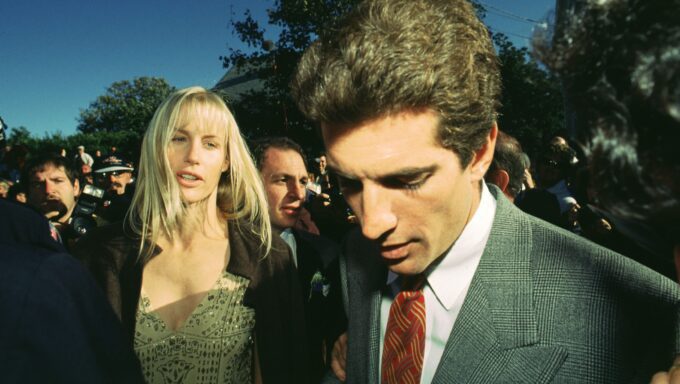
Stars Who Slammed ‘Love Story: JFK Jr. & Carolyn Bessette’: Statements – Hollywood Life
Image Credit: Getty Images FX’s Love Story: John F. Kennedy Jr. and...
Kirsten Collins2 Mins read





Leave a comment