

When Potential Meets Silence: Bailey’s Draft Day Fade-Out
Rutgers’ standout Bailey, once a beacon of promise, now finds himself slipping in NBA draft projections after declining workouts—a move that raises more questions than answers about his future and mindset.
 Joseph BennettJune 17, 20251 Mins read58
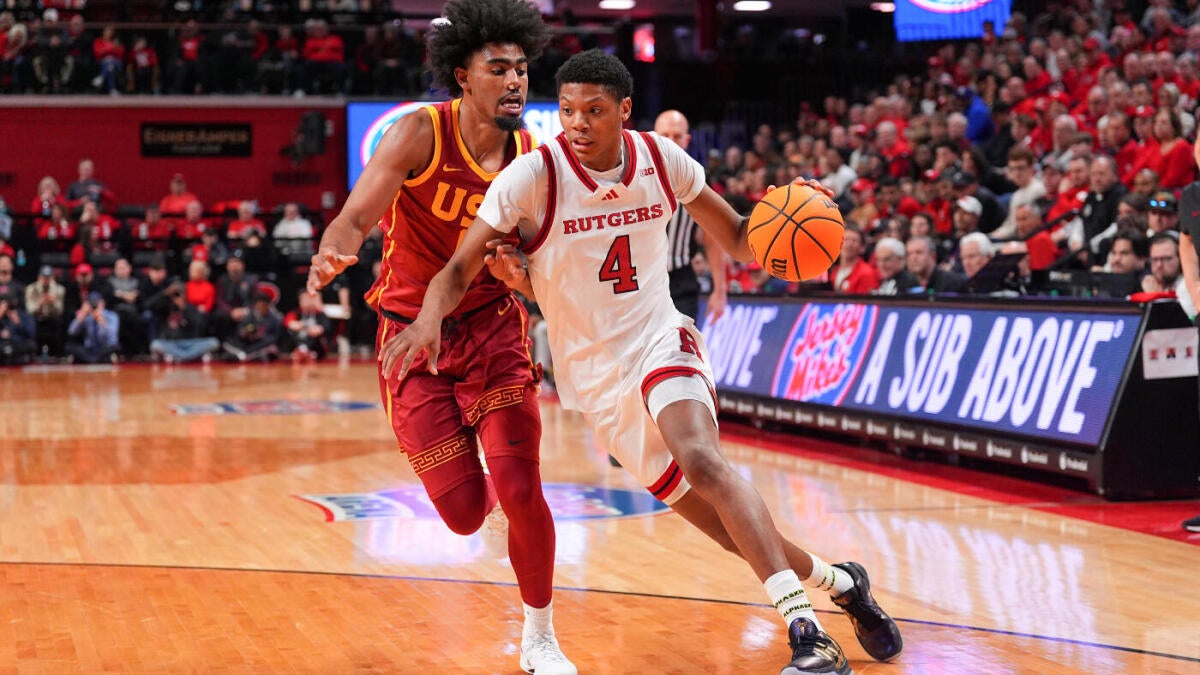
The silence from Bailey echoes louder than any highlight reel ever could. Once a rising star with eyes on the NBA prize, the Rutgers ace’s unexpected refusal to engage in multiple team workouts sends ripples through draft circles, inviting speculation about what lies beneath the surface. Is this strategic reticence, a signal of hidden confidence, or a red flag obscured in mystery?
In a world obsessed with visibility, Bailey’s choice to step back — to decline the very showcases that typically cement a prospect’s fate — disrupts expectations. What exactly is he saying, or not saying, through absence?
The Quiet Rebellion of a Rising Star
Bailey’s declining workouts feels less like a missed opportunity and more like a deliberate act of defiance, challenging the traditional dance between hopeful draftees and eager franchises. One scout mused, “It’s rare, and it unsettles teams. You wonder if it’s confidence, uncertainty, or something else entirely.” The gamble is palpable — will Bailey’s talent outweigh the unanswered questions, or will silence translate into doubt?
With whispers of slipping draft positions circulating, the narrative morphs: is this the beginning of a decline or a masterstroke of control over his own story? In a league where every handshake counts, what does Bailey hope to gain by withholding his hand?
Between Promise and Uncertainty
Every draft cycle is punctuated by players whose paths defy convention, but few are as intriguing as Bailey’s. His physical gifts are undeniable; his on-court poise, magnetic. Yet the act of refusal injects tension: a rare glimpse into the complex psychology of a young athlete navigating colossal pressure.
“The draft isn’t just about skill anymore,” a former NBA exec remarked. “It’s about character, resilience, and trust. And sometimes, silence speaks volumes louder than a workout.” As teams weigh the intangible against the obvious, Bailey’s fate becomes a riddle wrapped in a question—one that will linger well beyond draft night.
The game has always been about moments—some spoken, many left unsaid. Bailey’s silence invites us to ask: in a business ruled by exposure, can stepping back become the ultimate move forward? Or does the quiet mark the start of a fall? As the draft clock ticks down, the real story may be what Bailey chooses not to reveal.


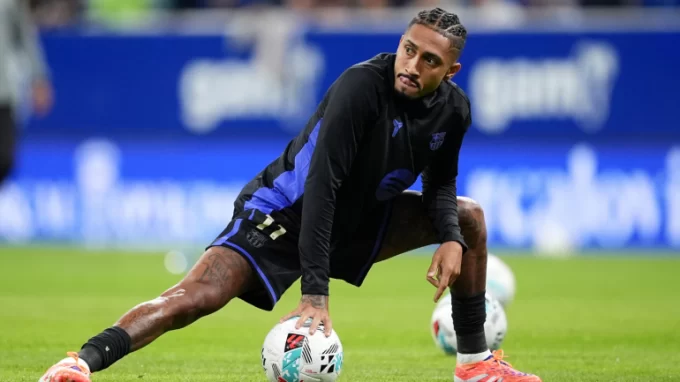
Barcelona’s Fragile Pursuit: When Injuries Threaten More Than Just a Season
A silence spreads over Camp Nou that no roar can drown out—two...
 Chris Marks2 Mins read
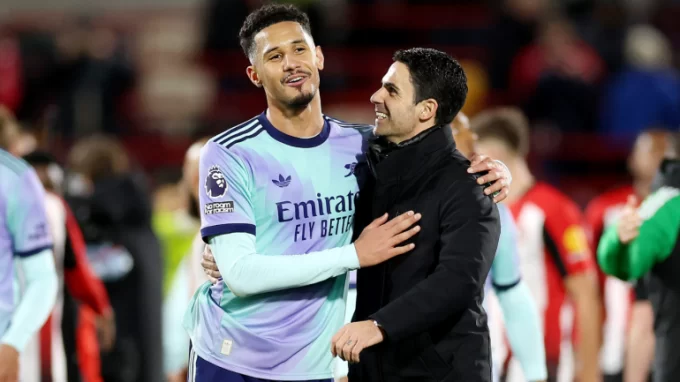
William Saliba: Arsenal’s Silent Architect or Its Greatest Gamble?
The air inside the Emirates shifts with unspoken tension—William Saliba, once a...
Joseph Bennett2 Mins read
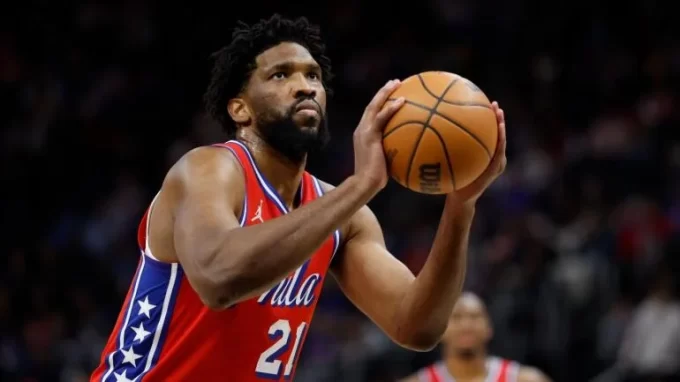
Joel Embiid’s Quiet Confidence: Is the 76ers’ Giant Ready to Rewrite His Story?
Joel Embiid is rarely one to make noise without purpose, and now,...
 Kirsten Collins1 Mins read
Juventus, Atalanta, and Arsenal’s Quiet Revolution: What’s Really Shaping This Week in Football?
The roar of Serie A stadiums masks a subtle shift, one that...
Kirsten Collins2 Mins read





Leave a comment