

Spielberg’s Clean-Cut Finale: Twisters Denies Its Audience a Kiss
Steven Spielberg reportedly advised removing the climactic kiss between Glen Powell and Daisy Edgar‑Jones in Twisters to avoid clichés—yet some claim it's he who secretly championed its inclusion. Who’s really pulling the strings behind this intimate moment?
 Joseph BennettJune 24, 20252 Mins read20
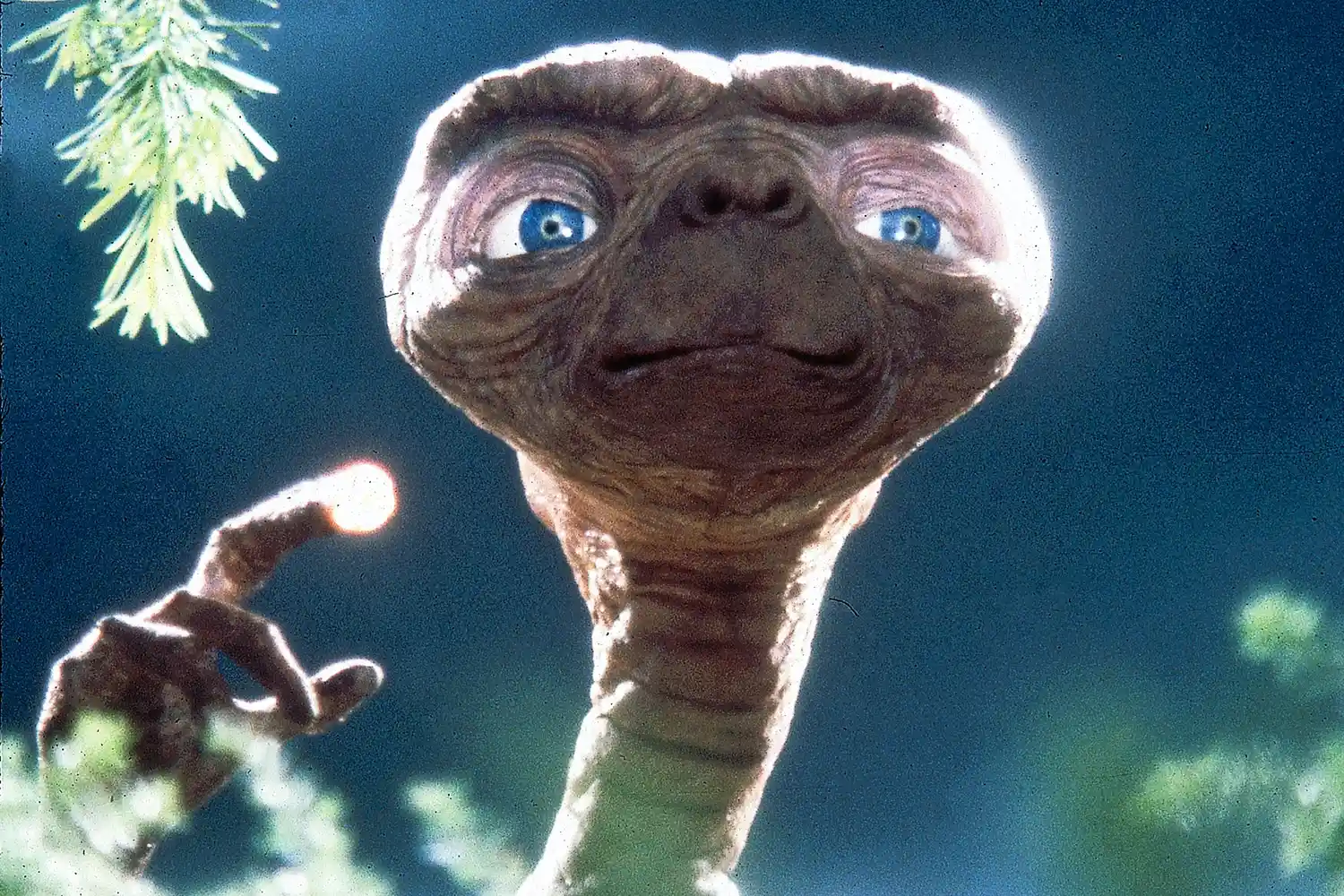
A tense airport terminal, the crescendo of a storm, and the sudden decision to withhold a kiss—it’s the kind of cinematic swerve that leaves viewers breathless and uneasy. Twisters closes on a charged moment, but no seal of lips—an omission attributed to a Spielberg directive meant to avoid cliché. Yet whispers suggest Spielberg himself may have been secretly rooting for the romance.
The actors themselves point to Spielberg’s guiding hand. Daisy Edgar‑Jones told Collider, “I think it’s a Spielberg note… it stops the film feeling too clichéd.” Glen Powell echoed the sentiment—that the film prioritizes storm-chasing passion over a romantic gesture. Meanwhile, director Lee Isaac Chung has confirmed that a kiss was filmed, tested—and then dropped because it proved “very polarizing.” The message is clear: this isn’t about denying romance, but re-framing it.
Romance Beyond the Lips
What if the absence of a kiss is more than restraint—it’s a declaration? Edgar‑Jones believes leaving the moment offscreen “allows you to assume they’ll kiss someday,” granting the characters their privacy and the audience their imagination. It’s a bold pivot from Hollywood’s usual creed: show the kiss, earn the ticket. But here, Spielberg, the executive producer, seems to be saying: emotion can be deeper than a smooch.
Though fans clamored online after a leaked behind-the-scenes kiss clip—one Tweet went viral: “someone explain why they cut the kiss…”—the movie soared to an impressive $80M opening, proving Spielberg’s instincts still resonate. The storm may be over, but the emotional tension remains—precisely because the love story stays unresolved.
Between Tradition and Transformation
Does Spielberg’s influence signal creative daring—or an overbearing hand sanitizing passion? Some insiders, including FandomWire, argue Spielberg urged for the kiss and only the test audience backlash led to its removal. If that’s the case, Spielberg shifts from gatekeeper to champion of emotional authenticity, with the kiss’s deletion rooted in audience discomfort rather than authorial vision.
So: was Spielberg protecting the film from cliché, or from criticism? And whether the note came from him or the test screenings, the emptiness left by that missing kiss lingers long after the credits fade—a void brimming with possibility.
A storm can reshape landscapes. But Twisters ends more stealthily: it reshapes emotional expectations. If Spielberg can chart the storms on screen, can he navigate the gusts of audience desire? And without that final kiss, what gust of feeling will chase us home?





Watch Video – Hollywood Life
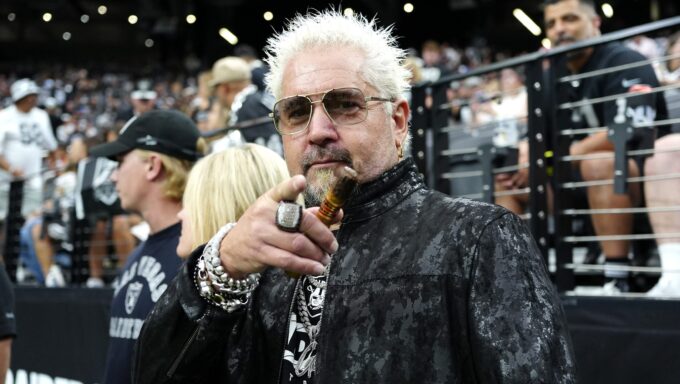
View gallery Image Credit: Getty Images Guy Fieri showed off quite the...
 Kirsten Collins1 Mins read

Start the New Year by Investing in Yourself – Hollywood Life
Image Credit: European Wax Center The new year is all about fresh...
Kirsten Collins2 Mins read

Where Is Liam Conejo Ramos Now? Updates on 5-Year-Old’s ICE Detainment – Hollywood Life
Image Credit: Getty Images Liam Conejo Ramos came home from preschool while...
Kirsten Collins2 Mins read

AirTalk Wireless Offers Free Wireless Service to Underserved Folks, Online & Offline – Hollywood Life
Image Credit: Pexels California may be home to Silicon Valley, but many...
Kirsten Collins3 Mins read





Leave a comment