

Blocked by Magic Kingdom: Why Brenda Song was Cut From Gran Torino
Disney’s protective policing silenced Brenda Song’s big screen roar — but what does that say about the legacy of its child stars?
 Joseph BennettJune 26, 20251 Mins read45
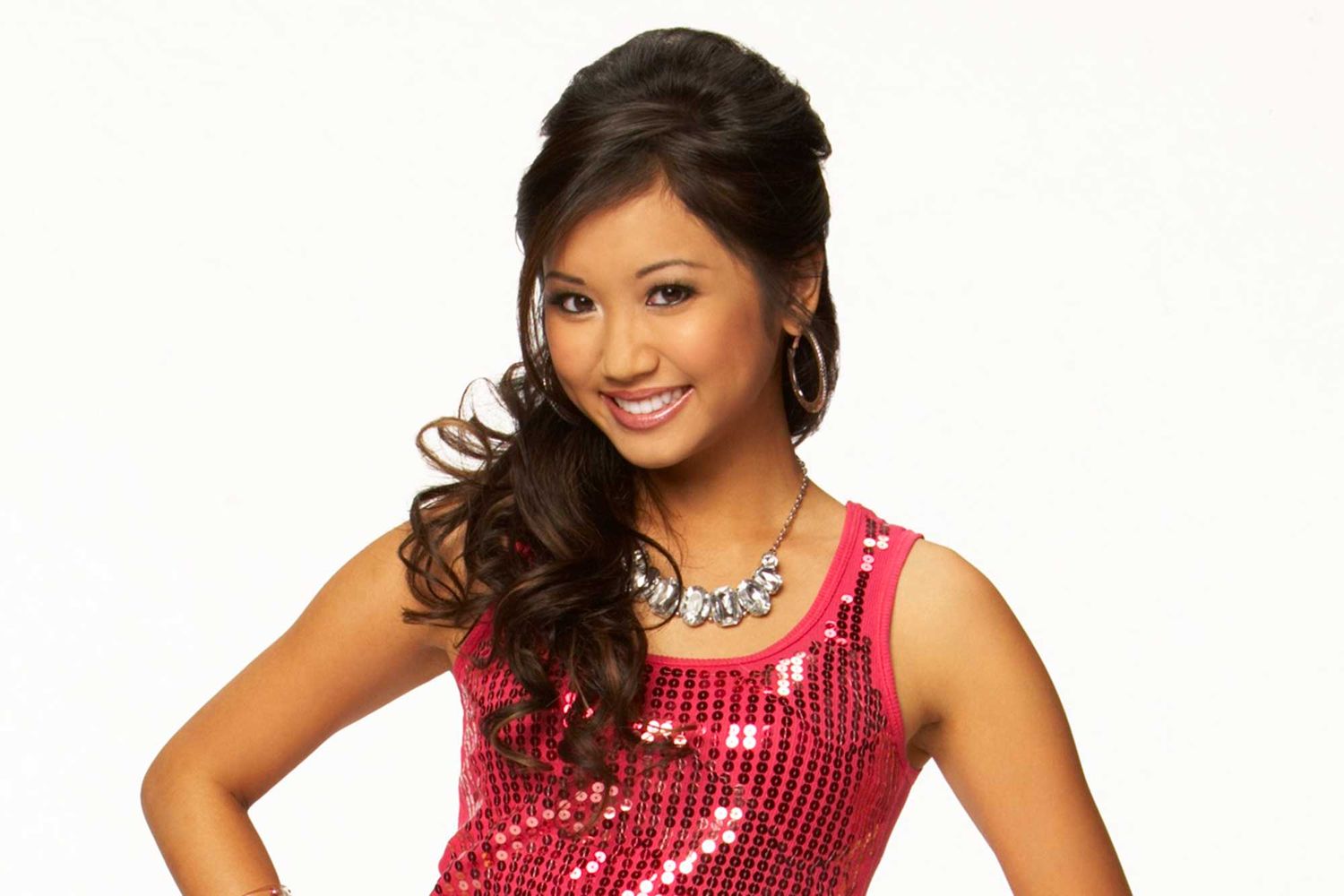
Craig Sjodin/Disney Channel
Brenda Song stood on the cusp of cinematic evolution — only to be stopped by the house that built her. At the Bentonville Film Festival, she admitted with quiet force: Disney barred her from auditioning for Clint Eastwood’s Gran Torino because of a disturbing sexual assault scene. “I was very upset,” she said, her voice carrying the weight of suppressed ambition.
She wanted Hmong-language lines, nuance, transformation — yet Disney, poised with safety pins and public image, shut the door.
Behind the Castle Walls
Her struggle didn’t end there. When David Fincher tapped her for The Social Network, Disney recoiled again — over an intimate bathroom sequence. But Brenda, resolved, confronted Gary Marsh directly: “I am an actor…this is the opportunity of a lifetime,” she insisted. She won that battle, but the war for her creative autonomy remained uphill.
It’s one thing to keep a child star safe — quite another to bind her wings when she’s ready to fly.
Where Ambition Meets Authority
Disney’s interventions were not just corporate caution; they were statements about who gets to mature from teen queen to serious actor. Brenda’s heartbreak at Gran Torino echoed deeper questions: did her Asian-American identity challenge the neat, color-blind image Disney preferred ? And when she triumphed in The Social Network, did that mark the beginning of her own rewriting of the narrative?
Her career since has been a testament to reclamation — from Scandal to Dollface, from Netflix’s Running Point to 2024’s The Last Showgirl, where critics declared a “Brendaissance”
Yet the memory of that barred audition lingers — a reminder that once you leave Disney’s skin, regaining your voice often demands duels with your past.
Will Hollywood ever move past its cage-built stars? Or will studios forever guard the image even as their artists crave complexity?
Brenda’s next project is more than a role — it’s a question: who decides the ending to a star’s story… and when will they let her write her own?



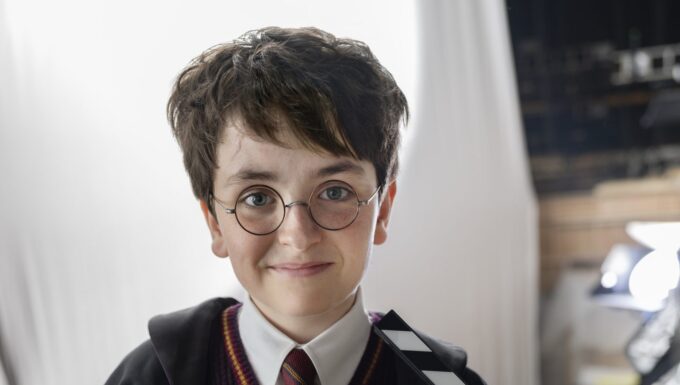
5 Things About the New HBO ‘Harry Potter’ Star – Hollywood Life
Image Credit: Aidan Monaghan/HBO Dominic McLaughlin may be a newcomer to Hollywood,...
 Kirsten Collins1 Mins read
Why Is Sora Shutting Down? Inside the Closure of the OpenAI App – Hollywood Life
Image Credit: NurPhoto via Getty Images Sora, the first standalone OpenAI app...
Kirsten Collins2 Mins read
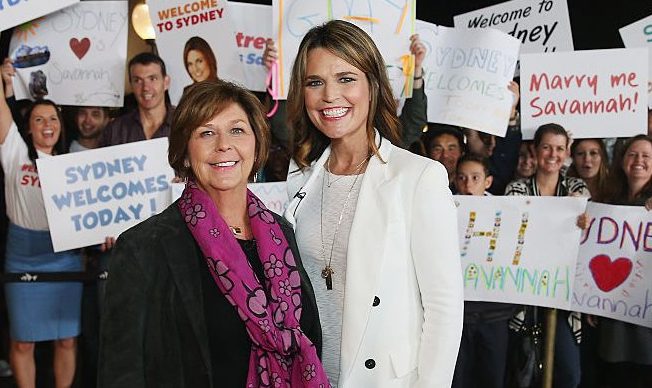
Is Savannah Guthrie Coming Back to the ‘Today’ Show? What We Know – Hollywood Life
Image Credit: Getty Images Savannah Guthrie has stepped away from the Today show...
Kirsten Collins2 Mins read
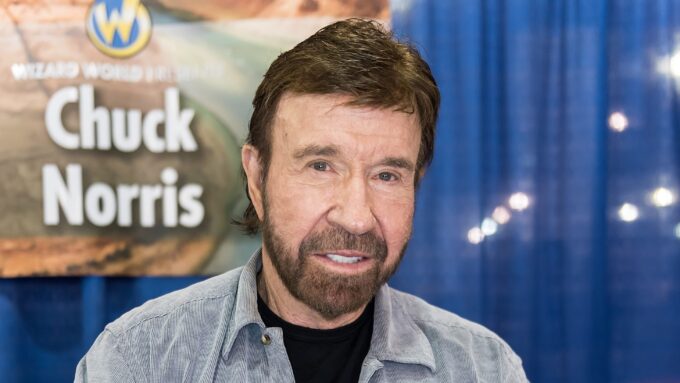
How Did Chuck Norris Die? Updates on the Late Actor’s Cause of Death – Hollywood Life
View gallery Image Credit: Getty Images Chuck Norris, the actor and martial...
Kirsten Collins2 Mins read



Leave a comment