

When Fear Spent the Bucks: How Luxury Tax Panic Toppled Myles Turner
The Pacers’ sudden retreat from the luxury tax after Tyrese Haliburton’s injury wasn’t just cautious—it sent shockwaves through the roster, with Myles Turner caught in the fallout. What does this reveal about the true cost of playing it safe?
 Krista FreelandJuly 1, 20252 Mins read19
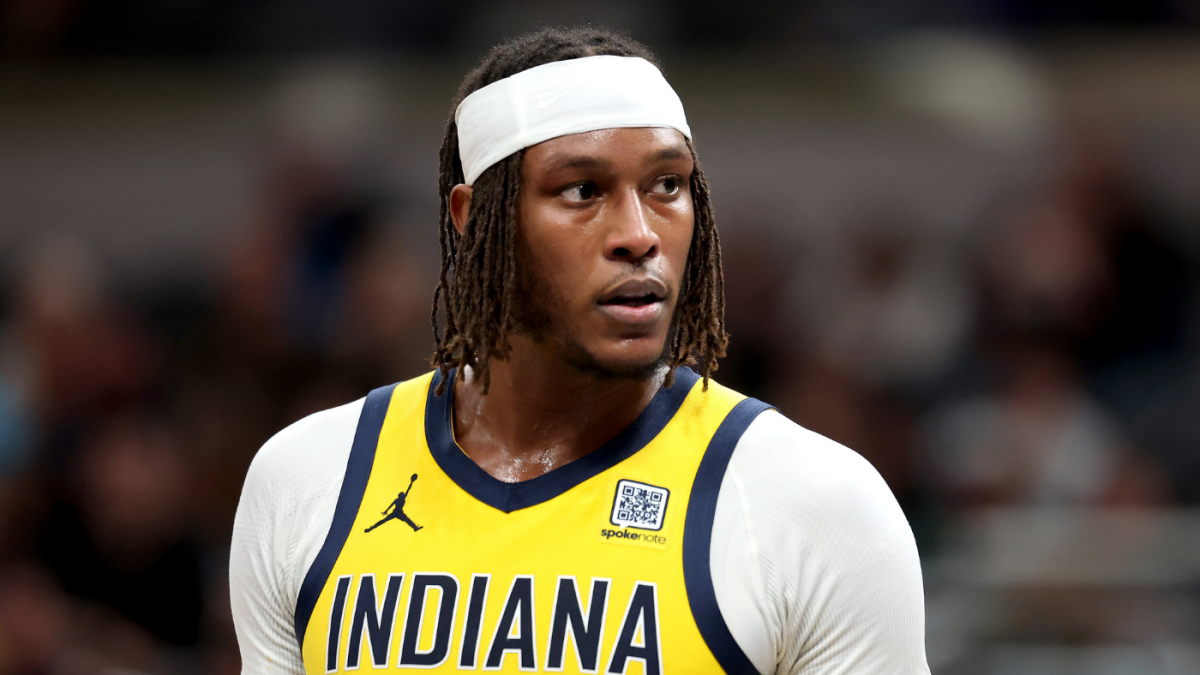
A house built on cautious foundations rarely survives the storm unscathed. When Tyrese Haliburton went down, the Pacers didn’t just lose a player—they lost their nerve. Suddenly, the looming luxury tax wasn’t an abstract figure but a specter forcing urgent, unforgiving decisions. Among the casualties? Myles Turner, whose fate became a somber footnote in a financial narrative few dared to question.
This isn’t merely about money. It’s about a team’s identity unraveling at the edges, fraying under pressure from forces far beyond the hardwood. The Pacers’ choice to sidestep the tax isn’t weakness—it’s a revelation. What kind of franchise prioritizes fiscal caution over competitive potential, and what does that say about the price of prudence in modern basketball?
The Taxman’s Shadow: More Than Just Numbers
The luxury tax is the invisible hand steering every major franchise move, but rarely do we witness its cold grip so transparently. When Haliburton’s injury rocked the Pacers, the tax threshold morphed from a guideline into a cage. Myles Turner, once a cornerstone of the franchise’s future, became collateral damage in a budgetary tug-of-war.
One league insider admitted, “They got scared. It wasn’t about basketball anymore—it was about dollars and cents.” But what does that fear do to a locker room’s spirit? To fans who watched a promising core dismantled overnight? The taxman’s shadow grows long, casting doubt on whether basketball’s financial rules serve the game—or suffocate it.
Turner’s Exit: Sacrifice or Strategy?
Myles Turner’s departure was sudden, almost surreal, yet it echoes a deeper cultural tension in the NBA. Teams are increasingly prisoners to the salary cap dance, forced into choices that might cripple their competitive soul. Turner’s exit raises a haunting question: When does the balance between business and sport tip too far?
Turner himself embodied potential and grit, a rare blend of shot-blocking artistry and offensive promise. His trade wasn’t just a roster move—it was a statement, whether intentional or not, about the Pacers’ unwillingness to gamble. And as the team moves forward, one must wonder if safety can ever truly replace ambition.
This episode forces us to reconsider how modern basketball franchises navigate uncertainty. The Pacers’ fear of the luxury tax didn’t just reshape their payroll—it reshaped their destiny. And in that reshaping lies a quiet tragedy: the subtle erosion of dreams under the weight of spreadsheets.
So, when the dust settles and the stadium lights dim, we’re left asking—are the true costs of financial caution measurable? Or do they echo in the lost potential of players like Turner, silent but unforgettable?






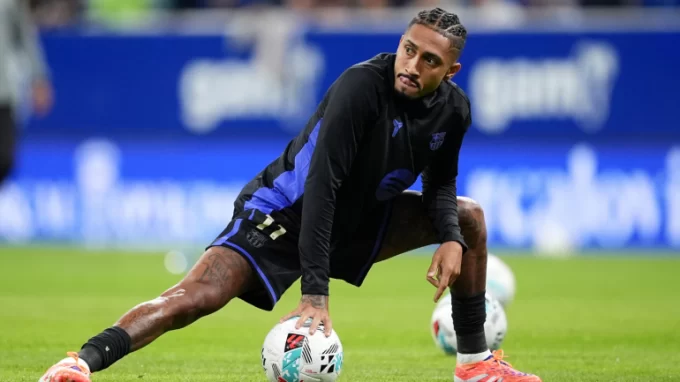
Barcelona’s Fragile Pursuit: When Injuries Threaten More Than Just a Season
A silence spreads over Camp Nou that no roar can drown out—two...
 Chris Marks2 Mins read
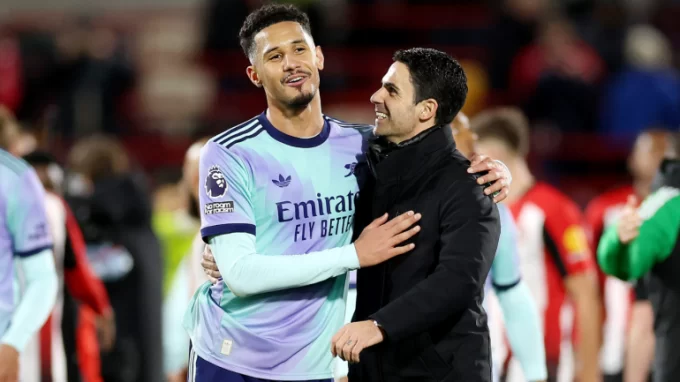
William Saliba: Arsenal’s Silent Architect or Its Greatest Gamble?
The air inside the Emirates shifts with unspoken tension—William Saliba, once a...
 Joseph Bennett2 Mins read
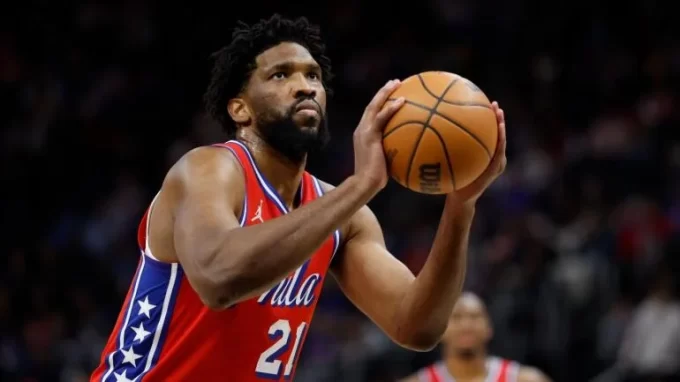
Joel Embiid’s Quiet Confidence: Is the 76ers’ Giant Ready to Rewrite His Story?
Joel Embiid is rarely one to make noise without purpose, and now,...
 Kirsten Collins1 Mins read
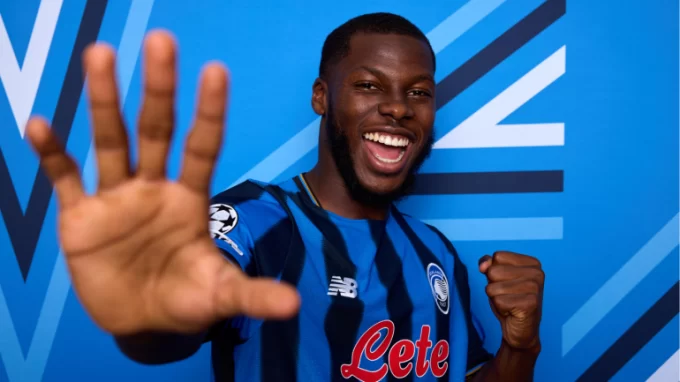
Juventus, Atalanta, and Arsenal’s Quiet Revolution: What’s Really Shaping This Week in Football?
The roar of Serie A stadiums masks a subtle shift, one that...
Kirsten Collins2 Mins read




Leave a comment