

DFS Secrets Unveiled: Who Will Shine in July 1 MLB Slates?
As Tuesday’s MLB DFS slates unfold, experts tease high-ceiling pitchers and underpriced value bats—but which picks are true gold and which hide deadly traps?
 Krista FreelandJuly 1, 20251 Mins read75

The slate opens a web of possibilities: elite arms like Yamamoto stand tall, yet hidden bargains — hit-heavy cheap bats — whisper of overlooked upside. In these layers lies DFS’s deceptive allure.
SportsLine’s Mike McClure points to Christian Walker ($4,100 DK) as a must-have, stacking him with Isaac Paredes versus Colorado’s Cowboys in Coors City—a classic Rockies trap? Walker’s career .322 average there demands attention. Rotowire insists that Yoshinobu Yamamoto ($10,800) is the top-tier pitcher, though others tease with upside.
High-risk, high-reward pillars vs hidden diamonds
At the summit, Yamamoto and fellow aces promise strikeouts—but high salaries temper profit. DraftKings model suggests mid-tier bargains: Colton Gordon ($7k) offers value even at Coors, where context shifts from cheap to risky. Value plays lurk deeper. FantasyLabs praises Brad Keller ($5,700) for his bargain potential against Detroit. On the hitting side, bargain hunters eye Seiya Suzuki ($5,200) hopping on inconsistent arms, while Roman Anthony ($3,900) keeps churning .314/.429 recent slash lines.
Stacks and subtle shifts
Stack strategies offer both promise and peril. RotoWire recommends Astros (Walker, Paredes) in Coors, but warns of inflated salaries. Parallel logic suggests low-cost stacks—perhaps Marlins or Twins—if you can identify emerging hot bats at value tags.
Yet the real DFS alchemy is pattern spotting: pitchers with recent breakout numbers or hitters overdue for regressing to elite splits. Ownership and contrarian choices may decide between churn and triumph.
DFS is a stage where confidence meets caution. Will the slate reward the cautious with Ts of value, or crown bold bets with untold returns? The answer won’t surface at first pitch—but as lineups lock, the ghosts of past slates whisper: fortune favors the calculated risk.
Tonight, numbers may lie—but narratives don’t. Who will defy them? The lines are drawn. The moments begin—and so does the question: are you ready for where the slate will take you?


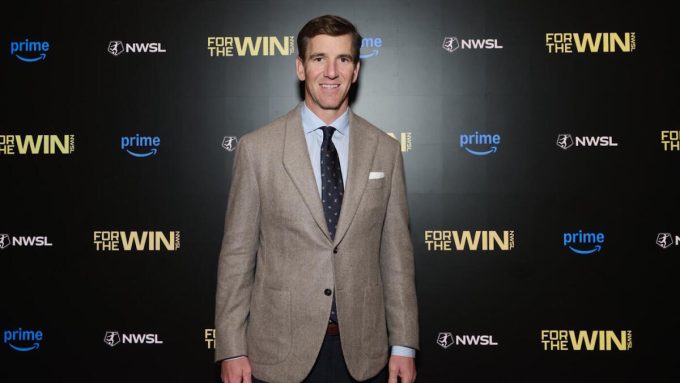




Barcelona’s Fragile Pursuit: When Injuries Threaten More Than Just a Season
A silence spreads over Camp Nou that no roar can drown out—two...
 Chris Marks2 Mins read

William Saliba: Arsenal’s Silent Architect or Its Greatest Gamble?
The air inside the Emirates shifts with unspoken tension—William Saliba, once a...
 Joseph Bennett2 Mins read
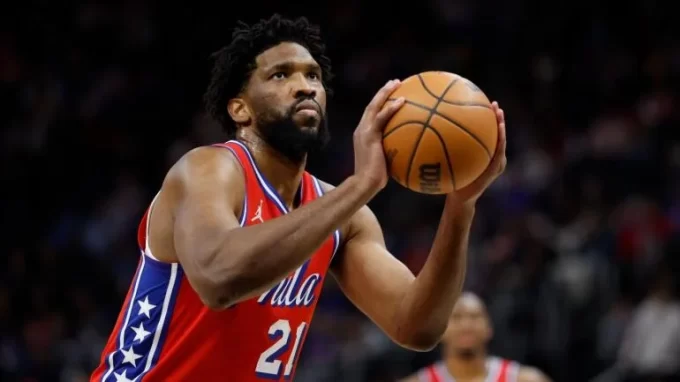
Joel Embiid’s Quiet Confidence: Is the 76ers’ Giant Ready to Rewrite His Story?
Joel Embiid is rarely one to make noise without purpose, and now,...
 Kirsten Collins1 Mins read
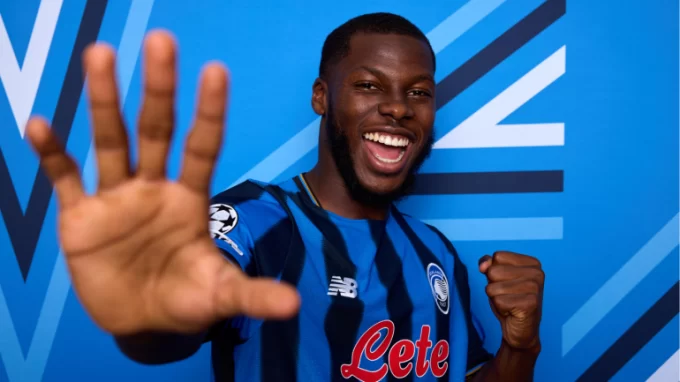
Juventus, Atalanta, and Arsenal’s Quiet Revolution: What’s Really Shaping This Week in Football?
The roar of Serie A stadiums masks a subtle shift, one that...
Kirsten Collins2 Mins read





Leave a comment