

When Age Becomes the Punchline: Julie Bowen and the Curious Case of Happy Gilmore 2
Julie Bowen expected a younger love interest in Happy Gilmore 2—but reality flipped the script. What does this say about Hollywood’s obsession with youth and casting, and what are we really laughing at?
 Krista FreelandJuly 3, 20252 Mins read18
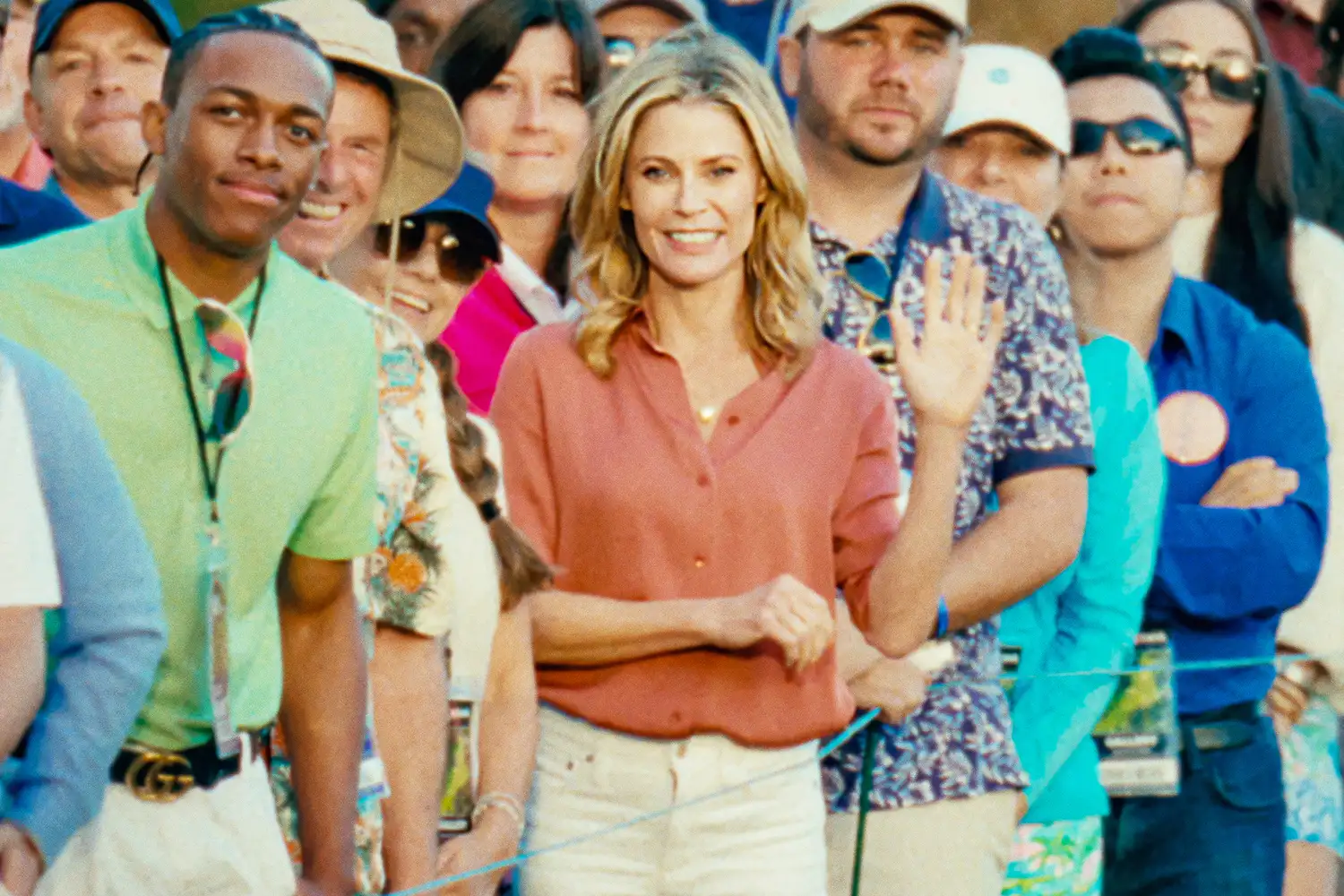
The moment Julie Bowen realized Happy Gilmore 2 wouldn’t cast a younger man as her love interest was a quiet disruption—not just of her expectations, but of Hollywood’s self-imposed rules. She had assumed the script would follow the predictable path: youth opposite age, fresh-faced opposite established. Instead, it defied the formula, nudging us to reconsider the tired dance between age, desirability, and comedic timing.
What if age is no longer a punchline but a statement? What does it mean when the “younger love interest” is replaced by something—or someone—unexpected? Bowen’s surprise is ours too: a reminder that behind the laughs, casting choices reveal something raw about cultural fears and fantasies.
––– ‘Love in the Time of Ageism’ ––––
Hollywood has long fetishized youth, weaponizing it against women who dare grow older onscreen. Bowen’s candid admission cracks open that glass ceiling with wit and subtle defiance. “I just thought, ‘Oh, they’ll cast a younger guy,’” she said. But the film’s choice unsettles the predictable narrative, leaving us to ask—are we ready to rewrite the rules of romantic comedy? Or is this just a temporary blip before the same old story resumes?
This isn’t merely about casting; it’s about power, visibility, and who gets to be loved, desired, and seen as worthy. Bowen’s experience peels back the veneer of lighthearted fun to expose the weight of ageism that still shadows Hollywood’s brightest lights.
––– ‘Punchlines or Provocations?’ ––––
Comedy has a unique power to reflect society’s undercurrents. Happy Gilmore, at its core, was never just about golf or goofy antics—it was about defying expectations. Yet, its sequel’s casting choices provoke a deeper question: does making Bowen’s love interest closer to her own age disrupt or deepen the humor?
Is the joke on us for assuming romance must be youthful? Or does this bold move hint at a cultural shift—one that laughs with age rather than at it? Bowen’s frankness reveals how these casting choices aren’t accidental but charged with meaning, challenging the audience’s comfort zones.
As audiences await Happy Gilmore 2 with bated breath, Bowen’s reflections invite us to reconsider our assumptions. Is Hollywood evolving or just playing a new tune on an old record? The answer lies in the spaces between laughter and discomfort, surprise and expectation.
Age is no longer just the punchline—it’s the plot twist that keeps us wondering what comes next. And maybe, just maybe, that is the true victory in a world obsessed with youth.






Where Is Liam Conejo Ramos Now? Updates on 5-Year-Old’s ICE Detainment – Hollywood Life
Image Credit: Getty Images Liam Conejo Ramos came home from preschool while...
 Kirsten Collins2 Mins read
Who Is Harry Styles’ ‘Aperture’ About? Breakdown of the Lyrics – Hollywood Life
View gallery Image Credit: Getty Images We’ve doing doing all this late...
Kirsten Collins1 Mins read
When Are the Oscars 2026? Date of the Academy Awards – Hollywood Life
Image Credit: AFP via Getty Images The Oscars are officially on the...
Kirsten Collins1 Mins read
Ticket Prices & Presale Details – Hollywood Life
View gallery Image Credit: Dave J. Hogan/Getty Images Harry Styles is embarking...
Kirsten Collins2 Mins read




Leave a comment