

Lana Del Rey’s Dual Prayers: Texas Flood Victims and Palestine in the Spotlight
Lana Del Rey has publicly extended her empathy—from Texas flood victims to daily prayers for peace in Palestine—raising compelling questions about celebrity activism in a fracturing world.
 Kirsten CollinsJuly 7, 20251 Mins read16
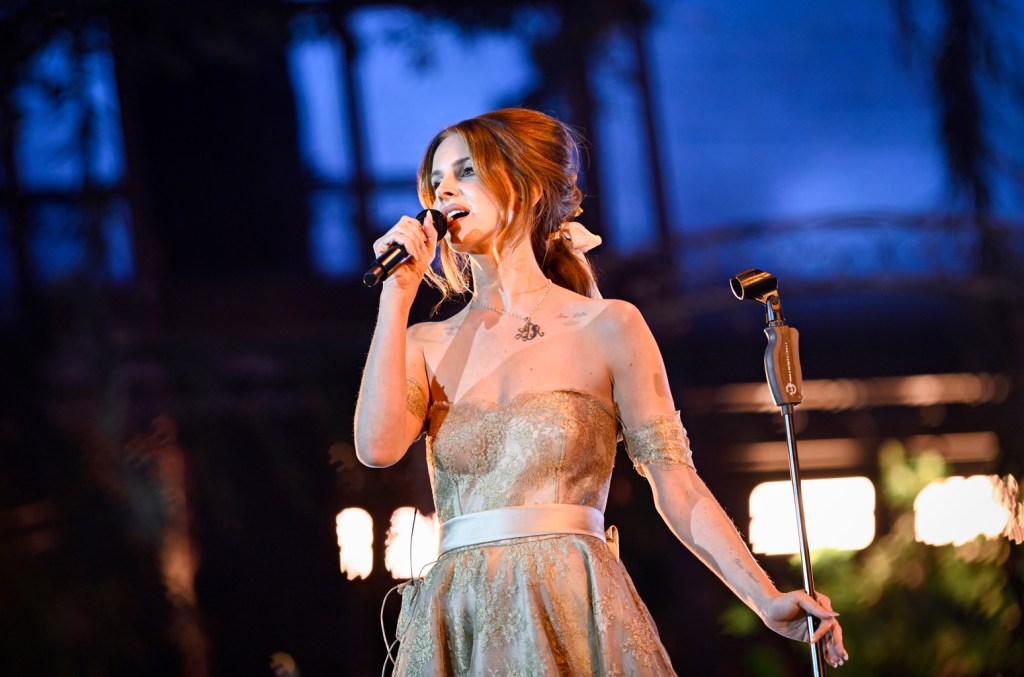
Under the wash of floodwaters and the weight of distant conflict, Lana Del Rey’s voice emerges—both gentle and unflinching. She sent condolences to Texas, struck by deadly floods, then added in the comments: “Yes of course we pray for Palestine every day.” Two declarations that sketch a portrait of a star refusing silence—yet inviting scrutiny. What motivates this duality of compassion—and what will it unravel next?
Her choice to publicly acknowledge both tragedies isn’t random; it’s a deliberate weave of empathy across borders. It begs a question: in a world fractured by disaster and division, can artists carry the burden of global conscience without fracturing under its weight?
Compassion Without Borders?
“This week, all my prayers are with you,” she told grieving Texans—an expression rooted in personal connections to the region, inspired by songs like Paris, Texas. But then she pivoted: “we pray for Palestine every day,” she wrote, tying her heartache to a conflict far from home. Her daily vigil might echo sincere activism, but is it enough in an arena where neutrality can feel silent?
Speaking Truth in Public Squares
Lana didn’t just gesture; she wrote from a place of conviction: “It’s always difficult to watch any innocent victims killed by crimes of war… there is never a good way of wording things that will make all people happy but that is my personal truth.” That admission invites us into her internal calculus—but also exposes the tightrope she walks. Can emotional transparency survive the court of public opinion?
She stands where tempest and conflict meet—between empathy and expectation. Today it is floods and war, tomorrow might be another crisis. For her audience, the allure lies not just in her melodies, but in her willingness to speak in that delicate space between charity and conviction. The real mystery now is not what she’s saying, but how—will the next verse sound of solidarity, or echo the silence we secretly dread?






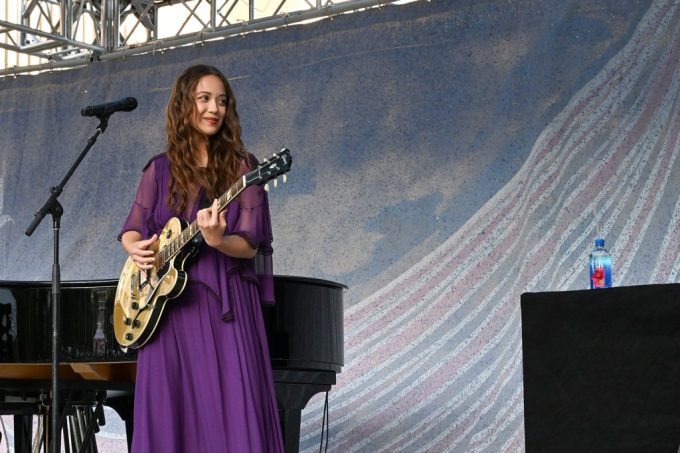
Laufey’s Opening Night Show at LA’s Crypto.com Arena: Best Moments
Laufey opened a two-night stand at Crypto.com Arena in downtown Los Angeles...
 Chris Marks6 Mins read
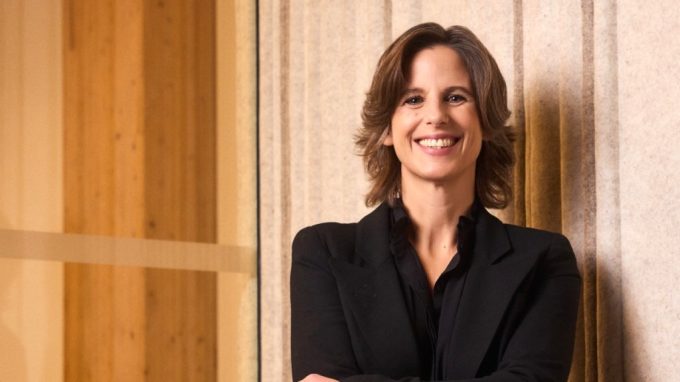
Julie Adam Is Billboard Canada Women in Music’s 2025 Exec of the Year
Julie Adam is having a milestone year — and it’s getting even...
Chris Marks4 Mins read

Spinal Tap Tribute Album with Foo Fighters,Tool for Teen Cancer America
Spinal Tap may be a fake band, but its music is very...
Chris Marks2 Mins read

AxMxP Is K-Pop Rookie of the Month for September: Exclusive Photos
Ha Yoo Joon Image Credit: Chin Soyeon You debuted on Sept. 10....
Chris Marks2 Mins read





Leave a comment