

When a Draft Drama Meets a Dynasty: The Ace Bailey Saga
Ace Bailey’s unconventional draft journey and the NBA’s blocked coaching move cast a long shadow over Utah’s summer league—and everyone’s asking: what’s next for this promising young star?
 Krista FreelandJuly 7, 20252 Mins read18
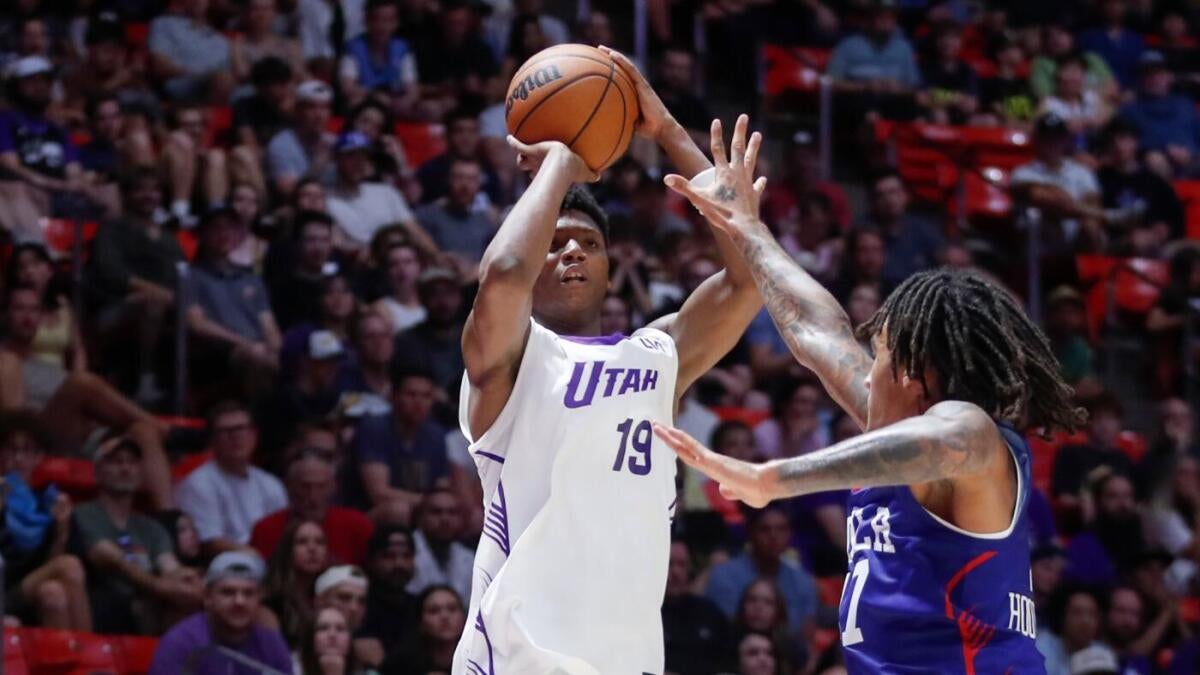
He steps onto the court in Salt Lake City not as a prodigy embraced, but as a phoenix rising from its own debris—Ace Bailey’s robe of intrigue barely conceals the questions trailing him.
A few days earlier, he was a hesitant guest in his own draft process—cancelled workouts, preferred teams, a no‑show at pick #5. Now, with eight points and a clutch rebound in his debut, he helps seal a narrow Jazz victory. But isn’t that exactly what he was drafted to do?
The Symbiosis of Strategy and Scrutiny
Jazz brass thought they’d outfox the narrative—to select a talent unbothered by consensus. Yet the league intervened, shutting down a plan to include Bailey’s advisor’s son, Omar Cooper Jr., on the summer coaching staff. Critics bristled at nepotism—NBA integrity stood firm. What does it say when the league prioritizes optics over mentorship?
A Rookie’s Quiet Roar
On court, Bailey’s hustle speaks. “He’s learning, he brings energy,” mused coach Scott Morrison after practice. He grabbed seven boards and grabbed headlines for rebounding, not scoring. But that defensive rebound in crunch time? That single play whispered a mantra: arrival.
“He’s helping in all types of ways—from shooting to early mornings with us,” Bailey said of Cooper Jr. That quote, delivered almost off‑hand, hints at deeper loyalties: is this a family affair—or a carefully curated support network?
When Familiar Faces Breed Fresh Pressure
Familiarity can be comforting—or combustible. The Jazz gambled on Bailey’s circus; the league called foul. Now, with Cooper Jr. sidelined, Bailey’s camp must pivot. Can he thrive without his mentor at hand—and what does that reveal about prevailing power structures in sports?
Crafting a Rookie Identity
His field goal percentage might be modest, but athleticism and tenacity cannot be coached. The Jazz echo praise: physical body, keen rebounder, unselfish spirit. But will that be enough to overshadow the aura of off‑court orchestration?
As dawn breaks on his NBA era, Bailey remains an enigma—a orchestrated prodigy or a raw talent finally unmasked. The court awaits, but so do the whispers: Will his game quiet the drama? Will the Jazz rewrite the narrative—or will the next act demand more than hustle?
He looked like a man who belonged. But can belonging undo adversarial beginnings? Just enough to make us lean in—just enough to wonder.





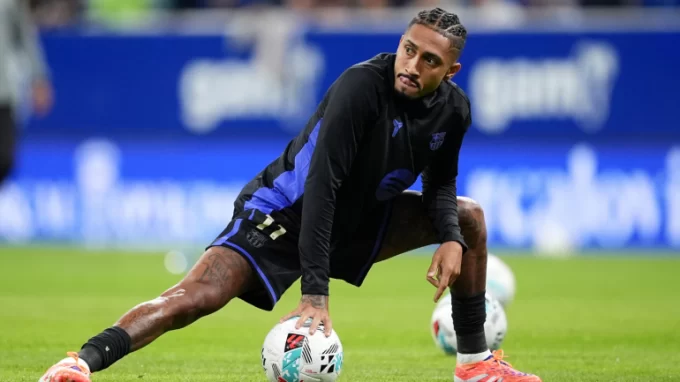
Barcelona’s Fragile Pursuit: When Injuries Threaten More Than Just a Season
A silence spreads over Camp Nou that no roar can drown out—two...
 Chris Marks2 Mins read
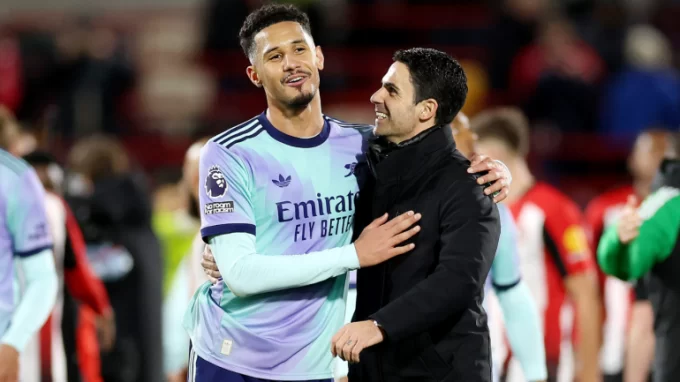
William Saliba: Arsenal’s Silent Architect or Its Greatest Gamble?
The air inside the Emirates shifts with unspoken tension—William Saliba, once a...
 Joseph Bennett2 Mins read
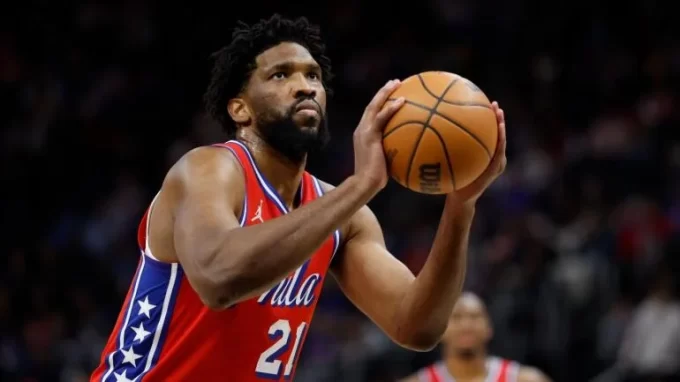
Joel Embiid’s Quiet Confidence: Is the 76ers’ Giant Ready to Rewrite His Story?
Joel Embiid is rarely one to make noise without purpose, and now,...
 Kirsten Collins1 Mins read
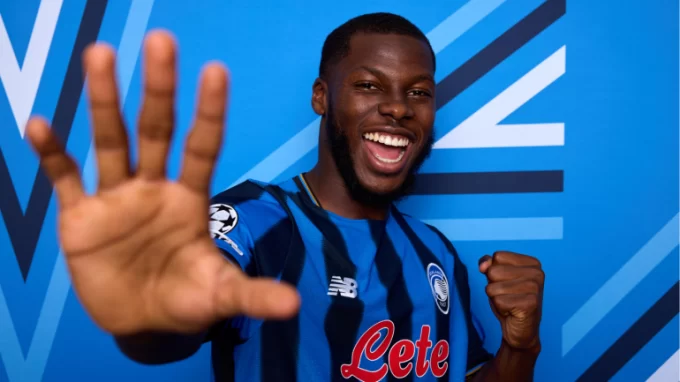
Juventus, Atalanta, and Arsenal’s Quiet Revolution: What’s Really Shaping This Week in Football?
The roar of Serie A stadiums masks a subtle shift, one that...
Kirsten Collins2 Mins read




Leave a comment