

Colombia Builds a Colossal Tribute: Sofia Vergara’s Statue Stands Tall—and Loud
Sofía Vergara, celebrated for Modern Family and Griselda, now towers over her hometown with a 24‑foot bronze monument in Barranquilla—but is this a genuine homage or a gargantuan PR gesture?
 Joseph BennettJuly 14, 20252 Mins read27
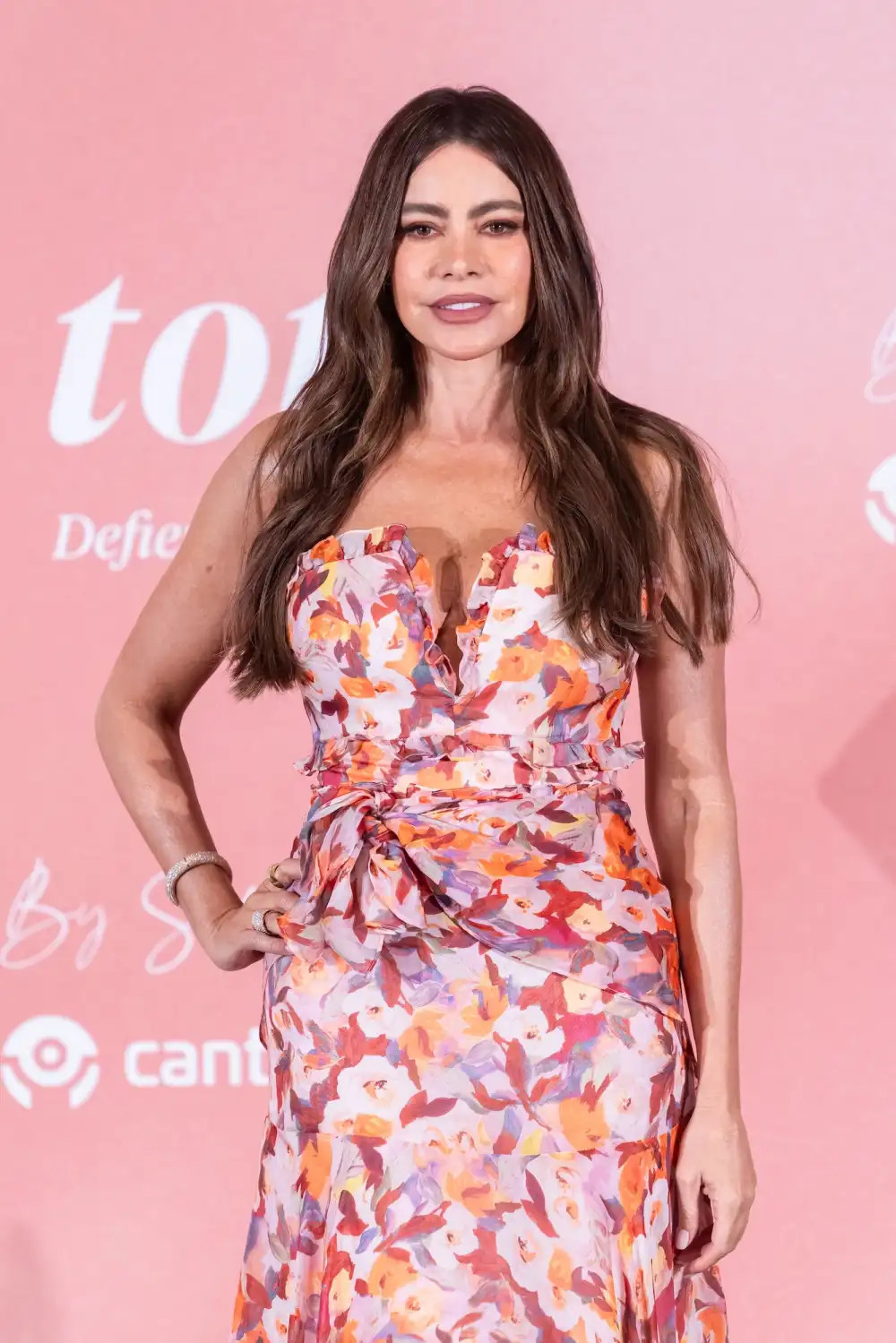
The sun gleams off 5.5 tonnes of polished bronze beside the Magdalena River—Sofía Vergara, fingers pointed, gaze defiant, immortalized at seven and a half meters tall. Yet the grandeur doesn’t whisper modest pride—it shouts. In Barranquilla, a city that already honored Shakira with a towering statue in 2023, Vergara’s monument seems less tribute than ascension: a visual declaration that her hometown now belongs to her as much as to any global icon.
Mayor Alejandro Char unveiled the statue on Vergara’s 53rd birthday, praising her as “a champion… authentic, joyful, persevering.” In response, she thanked Barranquilla on Instagram for “this gift” and its reflection of her roots and success. But as she revels in hometown honors from afar—vacationing in Sardinia with no romantic partner by her side—the moment feels carefully choreographed: her past and future crystallized in sculptural form while she remains wonderfully intangible in person.
Monumental Moments—or Monumental Marketing?
This isn’t mere civic pride—it’s narrative architecture. Sculptor Yino Márquez, the same artist behind Shakira’s monument, spent seven months with students crafting every fold of her dress, every curve of her confident stance—a female icon standing shoulder to shoulder with her own legend. Vergara even joked that her statue should rival Shakira’s in size, hinting at playful rivalry and purposeful planning. Yet beyond playful comparisons lies a larger question: in an age where celebrity and branding are inseparable, can a statue be both homage and strategic image-making?
Public Icon, Private Distance
Barranquilla meant for Vergara’s statue to ignite tourism—and it likely will. But the symbolism cuts deeper: it enshrines a modern Latina woman who climbed from local fame to international power, while preserving that accent, that vivacity, that unmistakable Caribbean spirit. Mayor Char highlighted how she “never left behind her accent, her perseverance, her joy.” Yet amidst the cheers and auto-tuned tributes, Vergara herself remains silent—present in pixels, absent in speech. That silence transforms the statue into a proxy, a stand-in for a woman whose global hustle far outpaces her hometown visits.
In Barranquilla, bronze memory towers over the river—but behind it stands a question as massive as the sculpture itself: When we fashion heroes in metal, what parts of their story do we choose to immortalize—and which remain buried beneath the pedestal? The statue may frame Vergara’s legacy, but what it conceals might tell an even larger tale.






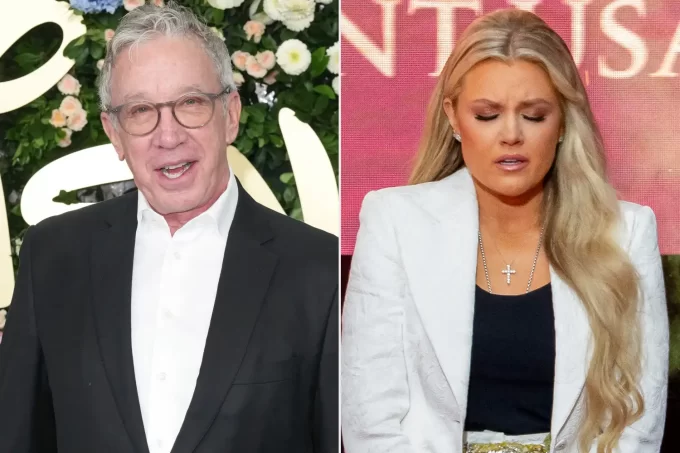
When Mercy Meets Tragedy: The Widow Who Forgave Her Husband’s Killer
The air thickens when forgiveness enters a room meant for grief. Imagine...
 Chris Marks1 Mins read

When Fear Became a Lifeline: Pete Davidson’s Reckoning in Rehab
There’s a silence that follows a mother’s voice when she confesses her...
Joseph Bennett1 Mins read
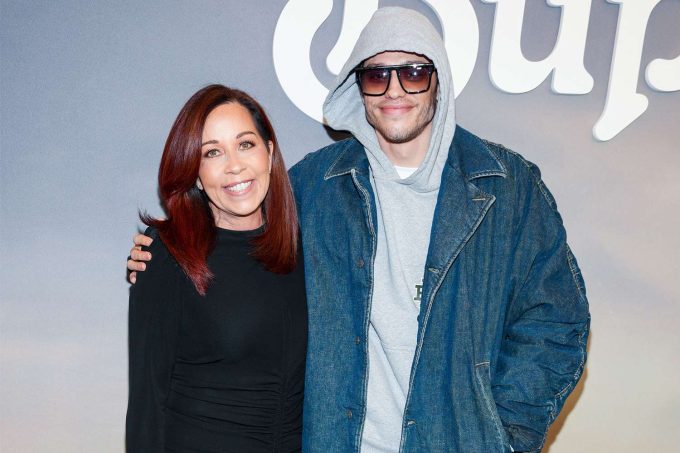
Pete Davidson’s mom told him in rehab worst fear was learning he died
Pete Davidson is opening up about the heartbreaking moment he had with...
Chris Marks2 Mins read
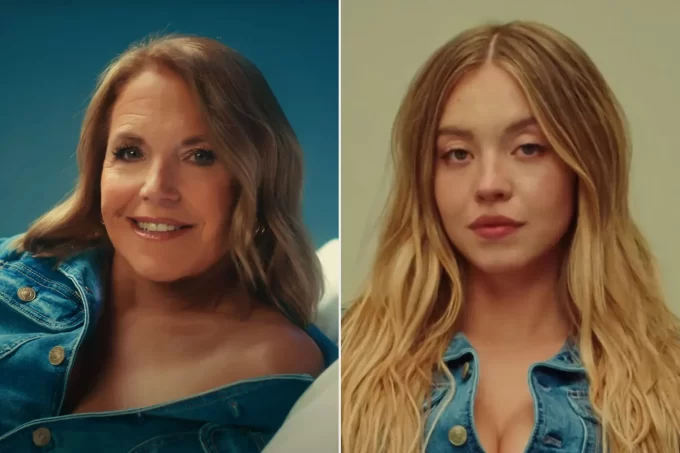
Katie Couric’s Unexpected Spin on Sydney Sweeney’s American Eagle Ad: What’s Really Being Said?
Katie Couric stepping into a scene dominated by Gen Z glamour feels...
 Krista Freeland2 Mins read





Leave a comment