

Why Don’t Pitchers Want to Show Up for the All-Star Game?
As MLB struggles to attract pitchers to the All-Star Game, a deeper tension simmers—between legacy, risk, and the very future of baseball’s midseason spectacle. What will it take to pull the best arms onto the mound?
 Kirsten CollinsJuly 17, 20251 Mins read13
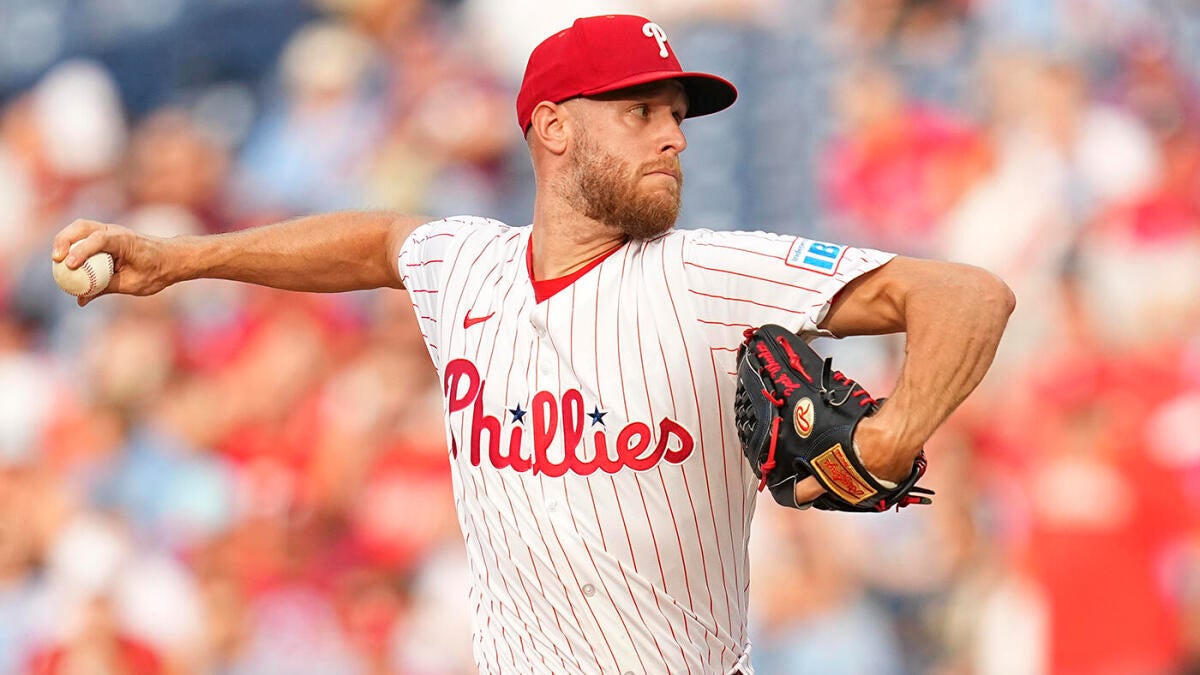
The mound stands empty more often than it should during baseball’s supposed celebration of its finest—a strange silence where the game’s most vital voices should command attention. Why do so many of the game’s top pitchers refuse the All-Star invitation, leaving fans and commissioners alike in a quiet quandary?
It’s not merely a game of innings missed; it’s a question of what the All-Star Game means in a shifting sports landscape where risk and reward clash in every pitch.
Is it fear of injury? Is it a subtle protest against a spectacle that no longer feels like home? Or is there a deeper, unspoken schism between the players’ reality and the league’s narrative?
The Invisible War on the Mound
Pitchers—guardians of the game’s most sacred moments—walk a tightrope. Every outing is measured, every throw calculated. The All-Star Game, despite its glitter and history, feels like a disruption to their finely tuned regimen. This isn’t about lack of pride or passion; it’s about survival in a sport where every pitch could be a tipping point toward injury or fatigue.
One insider remarked, “For pitchers, the All-Star Game can seem less like a honor and more like a gamble.”
Yet, if the stars are missing from the All-Star sky, what becomes of the night that’s meant to showcase the sport’s elite? When the game is played without its best arms, does the spectacle lose its soul—or is the game simply evolving beyond tradition?
The Silent Negotiations Behind the Scenes
MLB’s challenge isn’t just about coaxing players onto the mound—it’s about reshaping the very meaning of participation. Incentives have been dangled, from bonuses to charitable causes, yet the tug-of-war continues. The All-Star Game risks becoming an event of obligation rather than desire.
How much can tradition withstand when weighed against the realities of modern athleticism? When pitchers whisper their concerns in the shadows, does the league listen—or just broadcast the show for fans who want a hero but fear the cost?
The dilemma poses a haunting question: can the All-Star Game reinvent itself without betraying the very essence that once made it a true celebration?
The mound may be empty tonight, but the echoes of this tension resonate far beyond the ballpark—into the heart of baseball’s identity itself.




Barcelona’s Fragile Pursuit: When Injuries Threaten More Than Just a Season
A silence spreads over Camp Nou that no roar can drown out—two...
 Chris Marks2 Mins read
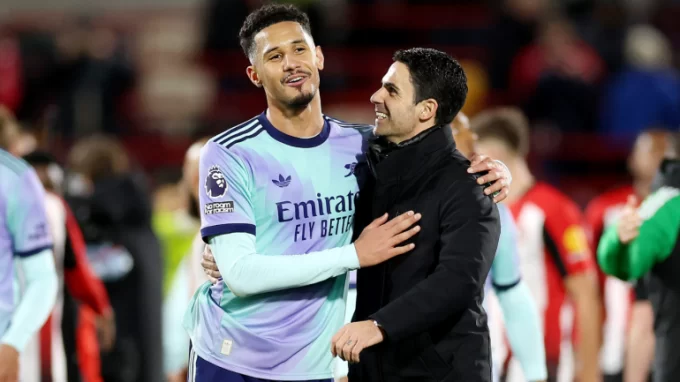
William Saliba: Arsenal’s Silent Architect or Its Greatest Gamble?
The air inside the Emirates shifts with unspoken tension—William Saliba, once a...
 Joseph Bennett2 Mins read
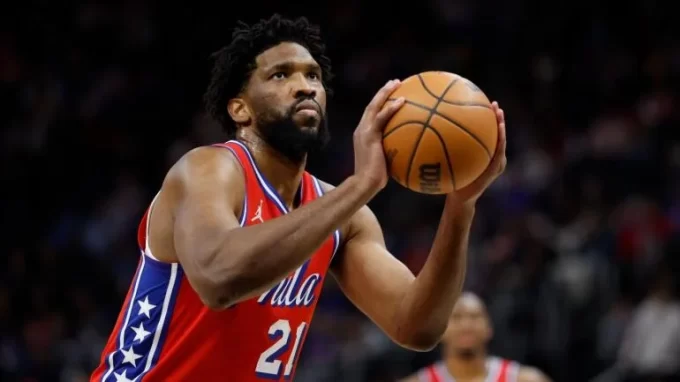
Joel Embiid’s Quiet Confidence: Is the 76ers’ Giant Ready to Rewrite His Story?
Joel Embiid is rarely one to make noise without purpose, and now,...
Kirsten Collins1 Mins read
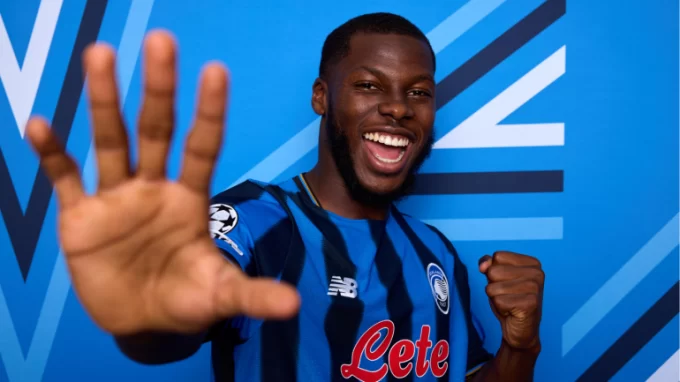
Juventus, Atalanta, and Arsenal’s Quiet Revolution: What’s Really Shaping This Week in Football?
The roar of Serie A stadiums masks a subtle shift, one that...
Kirsten Collins2 Mins read




Leave a comment