

“Massive Attack Unites Artists to Confront Censorship—But At What Cost?”
Massive Attack, Brian Eno, Fontaines D.C. and Kneecap have formed an alliance to shield pro‑Palestine artists from legal and industry retaliation—raising urgent questions about free expression, artistic solidarity, and where the line really lies.
 Chris MarksJuly 18, 20252 Mins read20
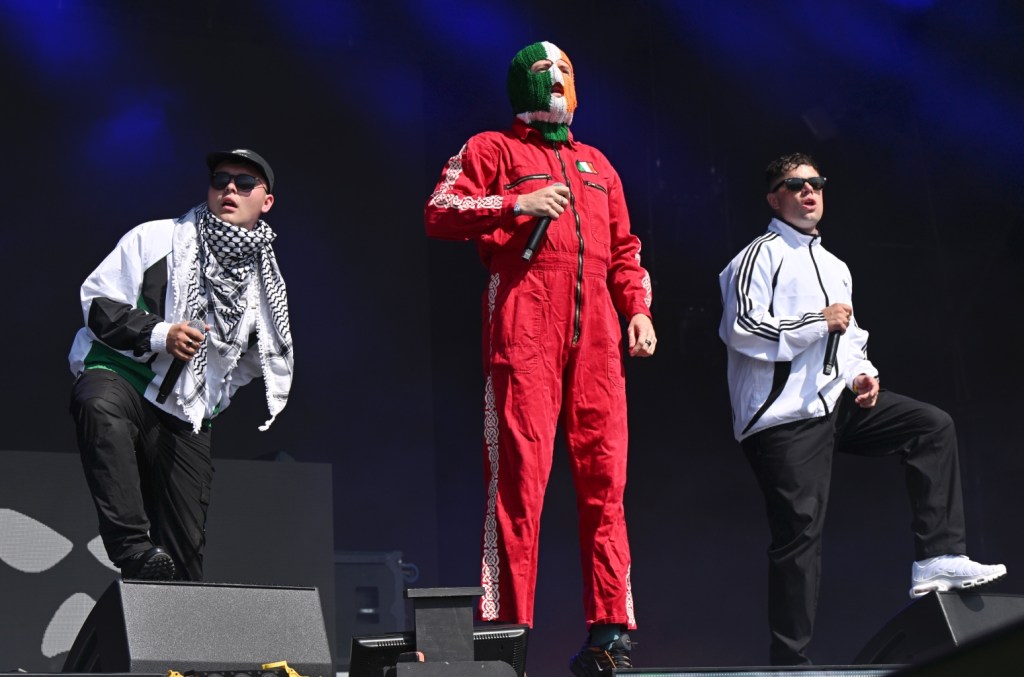
A single Instagram post collapses industry silence into solidarity—and that tremor is spreading fast.
Massive Attack didn’t just form an alliance—they drew a line. On Instagram, they declared solidarity with artists subjected to “intimidations from within our industry” and legal threats from UK Lawyers for Israel. They’ve extended an open hand to voices under threat: Bob Vylan, Kneecap, Bobby Vylan—artists whose pro‑Palestine stances led to canceled gigs, police investigations, and police probes. The move feels striking: a generation-defining stand, or a high-stakes gamble.
Artistic Solidarity or Symbolic Token?
With Brian Eno, Fontaines D.C., Kneecap and more joining, the alliance reads as a unified front—but solidarity confers both shield and spotlight. Massive Attack speak of “screen-time genocide” and say they’re “aware of aggressive, vexatious campaigns” launched against artists. One tweet from a supporter labors on the question: is this guardian network born of genuine protection, or curated optics? If solidarity is power, then what happens to artists beyond the circle?
Where Art, Politics, and Industry Collide
When Massive Attack displayed images of Hamas leaders and invoked Holocaust analogies at Lido Festival, audience trauma followed—and UKLFI’s backlash was swift. They called those actions “inappropriate”—a moral line was drawn. But Massive Attack push back, insisting those moments were contextual art, not incitement. The tension tears at larger questions: when does art’s shock value become unacceptable? And who gets to set those boundaries—the courts, the industry, or the individual artist?
The Amplified Cost of Speaking Out
Bob Vylan chanting “death to the IDF” at Glastonbury led not just to investigation, but to festival blacklisting and canceled bookings. Kneecap’s Mo Chara faced terror charges for waving a Hezbollah flag. The message is unmissable: saying the unsayable can cost you your career. Massive Attack’s alliance raises a warning: if the seeds of protest are sowed on stage, the harvest may be legal suits or canceled sets.
From the height of album-releases to the hush of backstage deals, this moment is about a reckoning: can artists withstand the full glare of their convictions? Or will the machine grind them into silence?
The alliance may offer collective strength, but it also exposes the raw truth—speaking up is more than statement; it’s risk. We began in a post—but we end in a question: if art confronts power and power pushes back, who stands when the music stops? Whisper that—and listen for the echo.


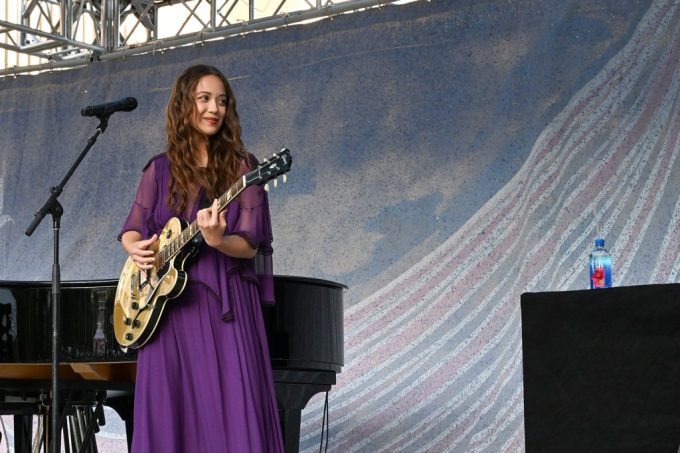
Laufey’s Opening Night Show at LA’s Crypto.com Arena: Best Moments
Laufey opened a two-night stand at Crypto.com Arena in downtown Los Angeles...
Chris Marks6 Mins read
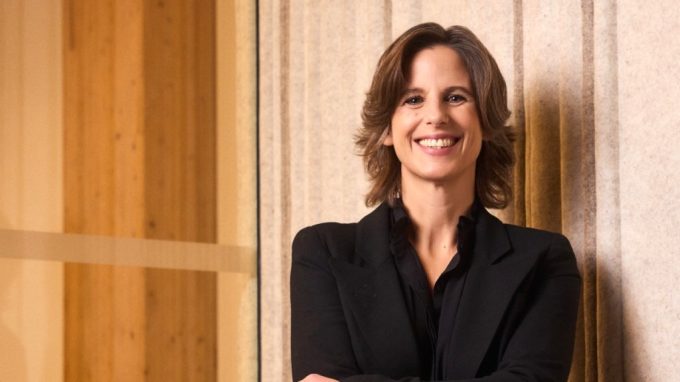
Julie Adam Is Billboard Canada Women in Music’s 2025 Exec of the Year
Julie Adam is having a milestone year — and it’s getting even...
Chris Marks4 Mins read
Spinal Tap Tribute Album with Foo Fighters,Tool for Teen Cancer America
Spinal Tap may be a fake band, but its music is very...
Chris Marks2 Mins read
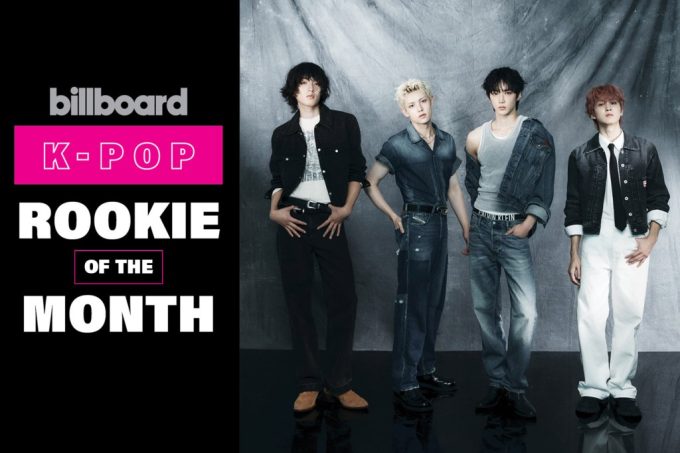
AxMxP Is K-Pop Rookie of the Month for September: Exclusive Photos
Ha Yoo Joon Image Credit: Chin Soyeon You debuted on Sept. 10....
Chris Marks2 Mins read



Leave a comment