

When Jerry Jones Miscounts: A Shot at Parsons or Self-Sabotage?
Jerry Jones launched a surprise salvo at Micah Parsons, misquoting his injury history—sparking outrage and raising new questions about power, negotiation tactics, and respect within America’s Team.
 Kirsten CollinsJuly 21, 20251 Mins read23

He stood behind the podium—an owner both imperious and off-script—declaring, “Just because we sign him doesn’t mean we’re going to have him. He missed six games last year.” The microphone caught the barbs; the facts didn’t.
Parsons missed four games, not six. And yet, Jerry Jones’s misstep wasn’t just an error—it was a trigger. Amid looming contract negotiations, the line twisted from critique into provocation.
Fact or Faction?
That errant number isn’t a slip—it’s a statement. By inflating Parsons’s injury count, Jones reframes the narrative: availability becomes risk, dependability becomes doubt. But when data skews, so does the discussion. Fans and analysts pounced: how can you argue value when the facts wobble?
Micah’s Silent Rebuttal
Parsons, ever composed, reported for camp—and let others speak for him. J.J. Watt weighed in, “Nothing makes guys want to fight for you more than hearing how upset you are they got hurt while fighting for you.” Parsons even reposted that. His silence is louder than Jones’s misfired stats.
In the NFL, power is wielded in dollars and in words. Jerry Jones bent both toward the asymmetry of negotiation—but when words fracture trust, what’s the true cost? And when owners rewrite facts, do they undermine the team they claim to defend?





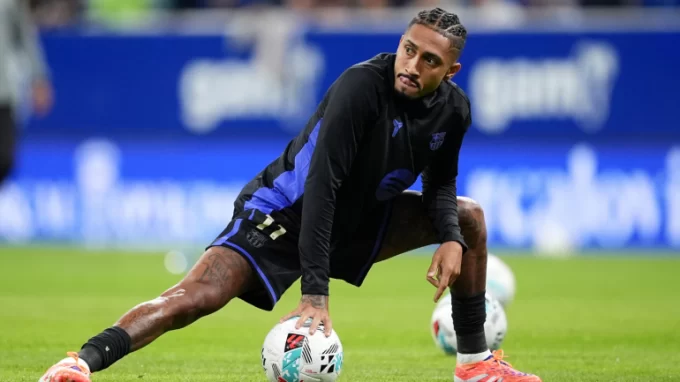
Barcelona’s Fragile Pursuit: When Injuries Threaten More Than Just a Season
A silence spreads over Camp Nou that no roar can drown out—two...
 Chris Marks2 Mins read
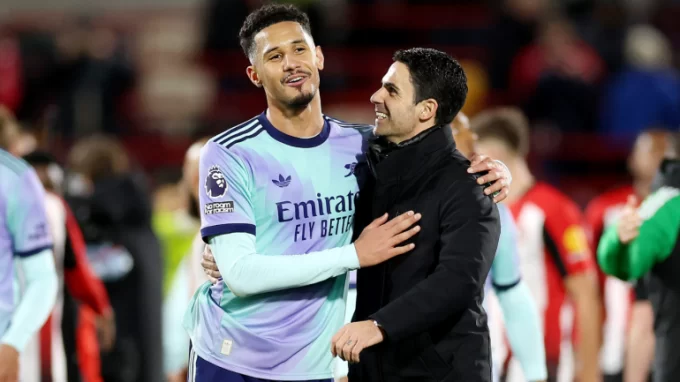
William Saliba: Arsenal’s Silent Architect or Its Greatest Gamble?
The air inside the Emirates shifts with unspoken tension—William Saliba, once a...
 Joseph Bennett2 Mins read
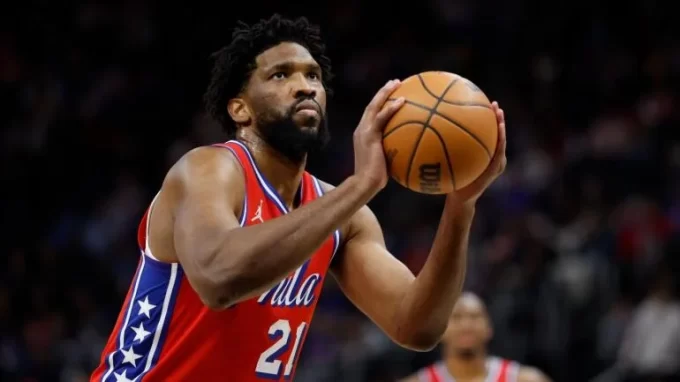
Joel Embiid’s Quiet Confidence: Is the 76ers’ Giant Ready to Rewrite His Story?
Joel Embiid is rarely one to make noise without purpose, and now,...
Kirsten Collins1 Mins read
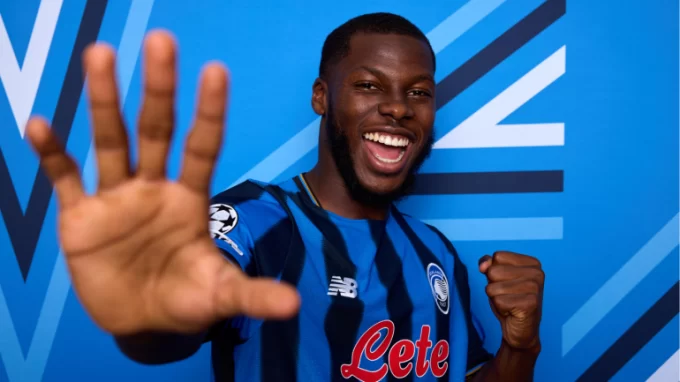
Juventus, Atalanta, and Arsenal’s Quiet Revolution: What’s Really Shaping This Week in Football?
The roar of Serie A stadiums masks a subtle shift, one that...
Kirsten Collins2 Mins read



Leave a comment