

Hulkamania Ends: Wrestling’s Icon Falls—but the Aftershocks Are Just Beginning
In Clearwater this morning, Hulk Hogan’s death from cardiac arrest slammed the wrestling world—yet beneath the muscle and mustache, his passing raises questions about legacy, privacy, and fame’s true cost.
 Kirsten CollinsJuly 24, 20252 Mins read25
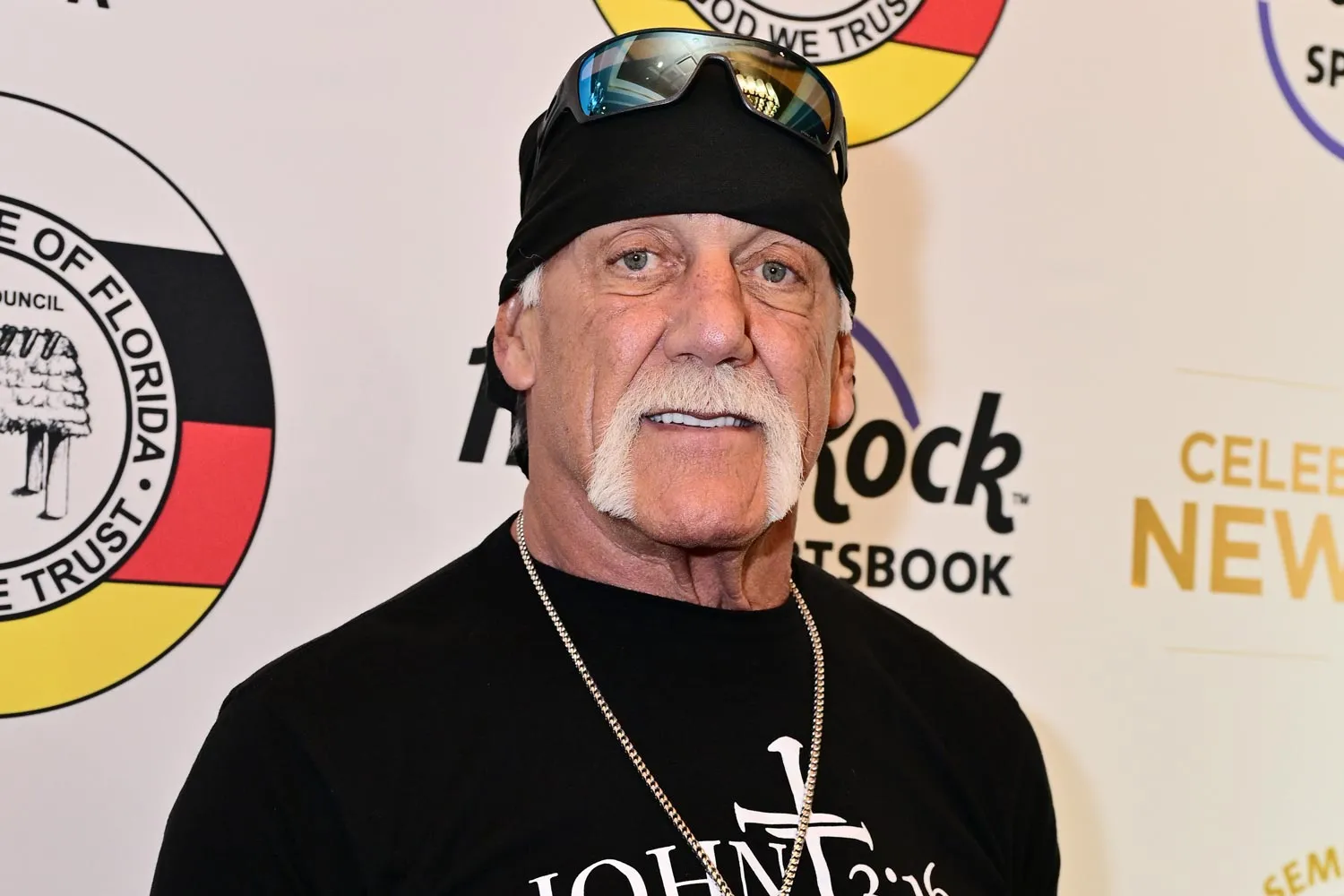
He gripped the ropes one last time—in a silent Clearwater bedroom, not a roaring arena—and Hulkamania, as thunderous and polished as ever, finally faded.
Terry Bollea, born August 11, 1953, wrestled his final match today and left the world at 71, succumbing to cardiac arrest at home. Paramedics arrived at 9:51 a.m., performed CPR for 30 minutes, but even his legendary stamina met its match. He was pronounced dead at Morton Plant Hospital at 11:17 a.m. No foul play suspected.
Yet Hogan’s story resists a conclusion. Wrestling’s face of the 80s—a six-time champion, a WrestleMania headliner, a twice-inducted Hall of Famer—was also a man enmeshed in digital-age conflict and political identity. His $140 million suit against Gawker became a landmark for privacy rights; funded covertly, it triggered online ethics debates amidst an AI—butchered media age.
The Icon and the Controversial
He ripped his shirt for fans, for politics, for spectacle. He headlined WrestleMania I, shrugged off his legally negotiated sex-tape scandal, defied WWE with an NWO heel turn, and returned as a cultural punchline and brand ambassador—even under a shower of boos at the Netflix Raw debut. (“Train, say your prayers, eat your vitamins…” echoed his creed.) But with each reinvention came backlash—the leaked tape, resurfaced racist remarks, and alliances that teased patriotism more than unity.
His final chapters were publicly penned: a four-level neck fusion in May, health denials from wife Sky Daily, yet whispers of comas and death rumors swirled. He fought the push of time until it pushed back hardest.
Beyond the Ring, Beyond the Image
As tributes echo, fans ask: is that all there is? WWE legends like Ric Flair and Triple H called him irreplaceable, praising his mentorship and tenacity. Donald Trump Jr. posted “R.I.P to a legend.” The Clearwater Police, WWE, and even Hogan’s own manager are urging privacy—but we’re left scrolling, replaying gawker headlines and botched apologies, wondering if affection for the icon outweighs discomfort with his flaws.
He built a brand—Real American Beer, mainstream countenance in Rocky III, reality TV patriarch—and walked a public tightrope between idol and indictment. Now, his absence invites reassessment: are we mourning muscle, myth, or the man beneath?
Hulkamania may live forever, but what of Terry Bollea? Beyond the cheers, controversies, and lawsuits, lies a question: when the last spotlight dims, whose legacy remains unbroken—and whose memory demands uncomfortable reflection? Did Hulk Hogan die—or did he deliver his final lesson?




When Mercy Meets Tragedy: The Widow Who Forgave Her Husband’s Killer
The air thickens when forgiveness enters a room meant for grief. Imagine...
 Chris Marks1 Mins read
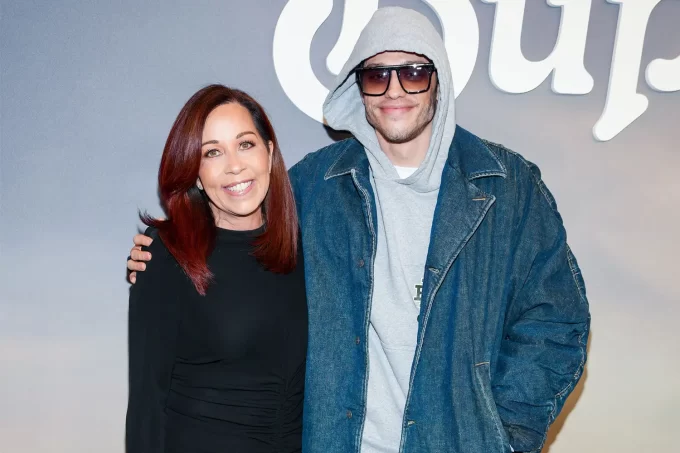
When Fear Became a Lifeline: Pete Davidson’s Reckoning in Rehab
There’s a silence that follows a mother’s voice when she confesses her...
 Joseph Bennett1 Mins read
Pete Davidson’s mom told him in rehab worst fear was learning he died
Pete Davidson is opening up about the heartbreaking moment he had with...
Chris Marks2 Mins read
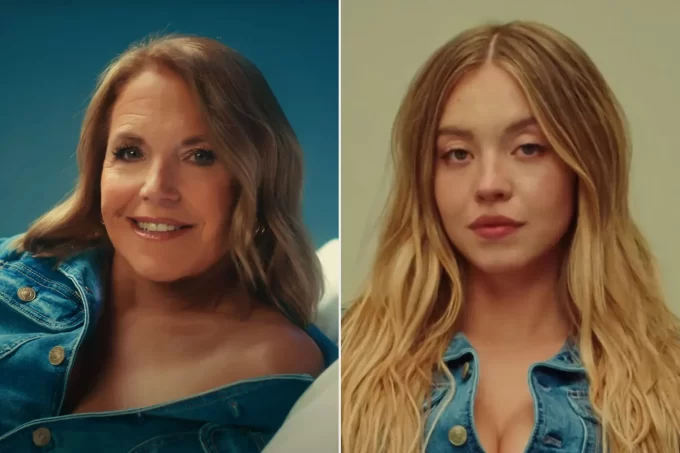
Katie Couric’s Unexpected Spin on Sydney Sweeney’s American Eagle Ad: What’s Really Being Said?
Katie Couric stepping into a scene dominated by Gen Z glamour feels...
 Krista Freeland2 Mins read





Leave a comment