

Madonna Wanted a Mirror—She Got Julia Garner Instead
A decade-long whisper project, the Madonna biopic now echoes with one name: Julia Garner. But is the Queen of Reinvention ready to be reflected back by a woman who refuses to imitate?
 Chris MarksJuly 28, 20252 Mins read16
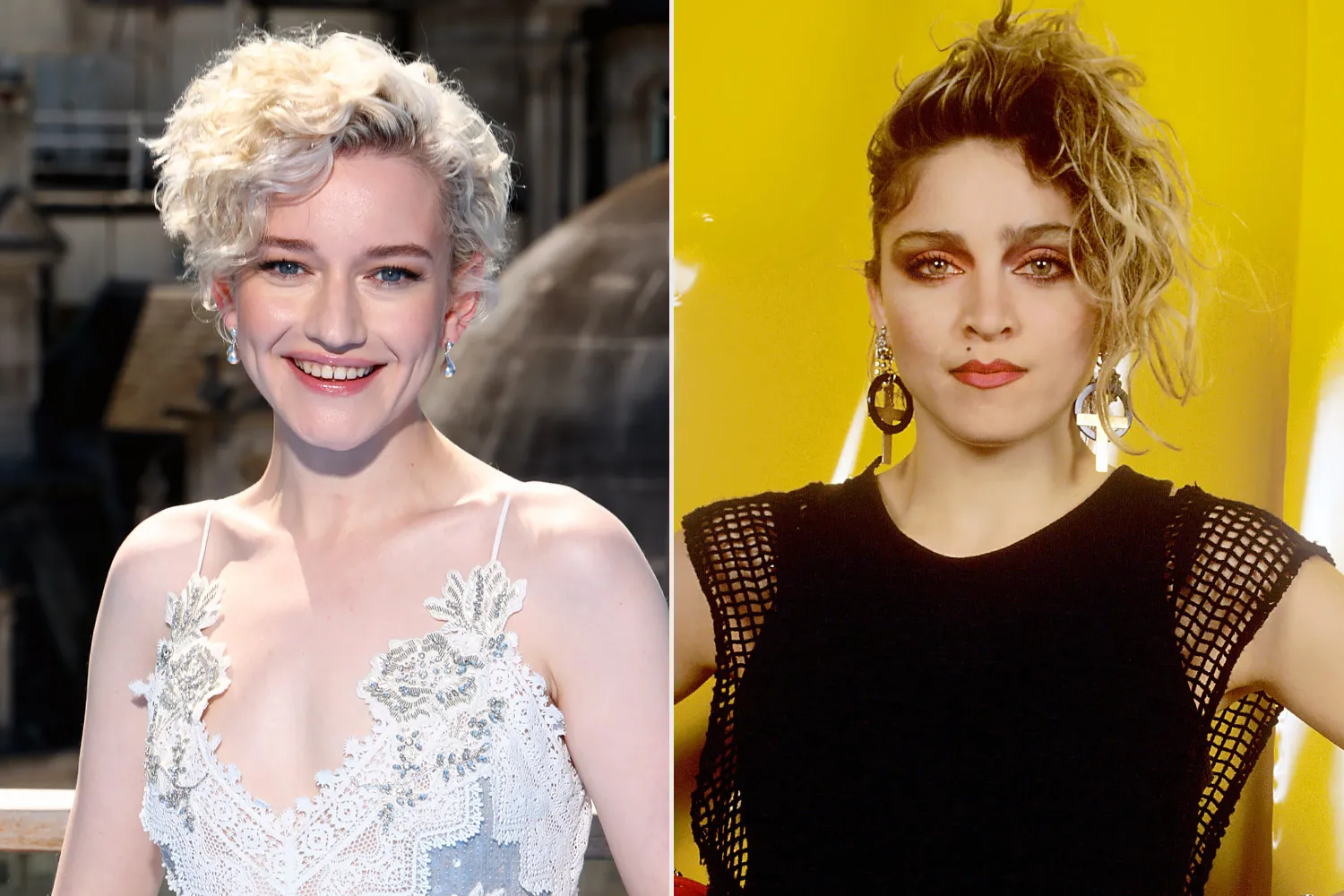
She danced until her knees gave out. Not metaphorically—literally. Julia Garner, Emmy-winning chameleon of screen and silence, dropped to the floor in a West Hollywood studio after eleven hours of Madonna boot camp. The role? Not confirmed. The audience? Just a handful of gatekeepers and a pop icon whose gaze can gut you from across the room. The stakes? Only the soul of the most mythologized woman in modern music.
It’s been whispered through corridors of casting calls and TikTok threads: Madonna’s biopic isn’t just a film. It’s a resurrection. And like any resurrection, it requires belief—and a body willing to carry the weight. Madonna wasn’t just seeking someone to play her; she wanted to be possessed, perhaps even rewritten. And Julia Garner, sharp-boned and strange-eyed, stepped into that exorcism without blinking.
The Audition Was an Exorcism, Not a Tryout
For those unfamiliar with Garner beyond Ozark or Inventing Anna, the casting might feel curious. But curiosity is the gateway drug of iconography. Madonna reportedly watched “hundreds” of hopefuls—most of whom imitated, few of whom understood. Garner didn’t offer a pastiche. Instead, she offered confrontation.
“She had something no one else had,” someone close to the project reportedly said. “A refusal to be liked.” That, more than the choreography, the vocal training, or the days of physical endurance, was the secret ingredient Madonna was searching for. The Queen of Pop has never been about sweetness. She’s been about control, challenge, controversy. And what’s more controversial than handing your story to someone who won’t sanitize it?
The audition itself was cinematic: days-long choreography with Madonna’s own dancers, intimate acting sessions with the Queen herself, and a final round that felt more like spiritual vetting than performance review. Garner danced through exhaustion. And not once, sources say, did she ask when she could stop.
What Happens When the Mirror Fights Back?
This isn’t just another celebrity biopic—this is a woman directing her own mythology. Yes, Madonna is co-writing and directing the film herself. If that sounds unusual, it should. Artists rarely get to build their own shrines while still alive. But Madonna isn’t interested in shrines. She’s interested in truth. And truth, in her hands, often comes wrapped in leather gloves and lace.
Garner, on the other hand, is a shape-shifter of a different breed. She doesn’t vanish into her characters so much as swallow them whole and spit out something uncategorizable. Her Madonna won’t be the MTV one, or the Like a Prayer one, or the Evita-shaped saint. It’ll be something else entirely. Maybe something Madonna herself didn’t see coming.
Which is the only reason to do this film at all.
And so we ask: Can the real Madonna stand to see herself—uncontrolled, interpreted, made mortal? Or does she want divinity polished? If this movie ever gets made—and let’s not pretend it’s a guarantee—it won’t be clean. It won’t be nostalgic. And it certainly won’t be kind.
But maybe that’s exactly the point. Maybe Julia Garner didn’t audition to become Madonna. Maybe she came to remind her who she used to be.






Where Is Lawrence Jones on ‘Fox & Friends’? Health Update Amid Hiatus – Hollywood Life
Image Credit: Getty Images Fans of Lawrence Jones, a Fox & Friends...
 Kirsten Collins1 Mins read

Who Is Lexi Minetree? 5 Things to Know About the ‘Elle’ Series Actress – Hollywood Life
View gallery Image Credit: Getty Images for Hello Sunshine Lexi Minetree plays...
Kirsten Collins2 Mins read

Release Date, Cast & Updates on ‘Elle’ – Hollywood Life
View gallery Image Credit: Courtesy of Prime Video What, like producing a...
Kirsten Collins2 Mins read
Updates on Academy Award Nominations – Hollywood Life
Image Credit: Warner Bros. Pictures Awards season kicked off earlier this month,...
Kirsten Collins2 Mins read




Leave a comment