

The Fall of a Corner and the Quiet Panic in Cleveland
Martin Emerson Jr.’s injury was more than a sideline event—it disrupted a fragile sense of readiness the Browns have spent seasons trying to cultivate. The question isn’t whether they can replace him, but what he took with him when he fell.
 Kirsten CollinsJuly 29, 20252 Mins read49
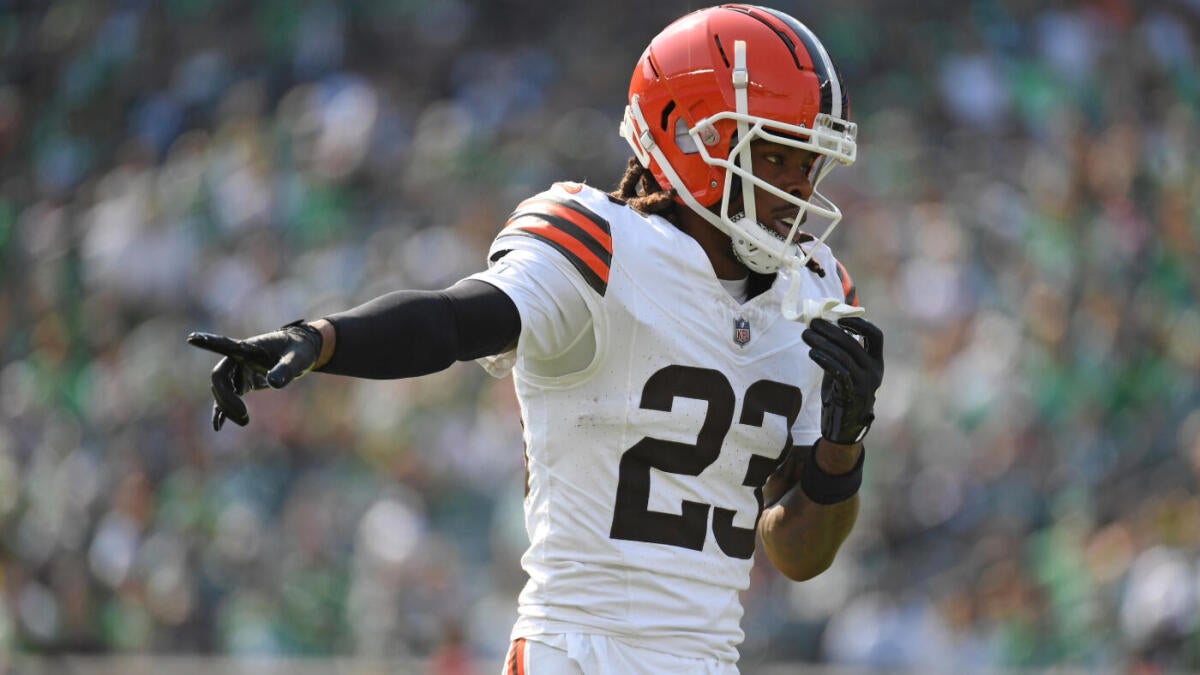
You could hear the shift in tone before the cart appeared. It wasn’t just the absence of noise—it was the sudden, mutual understanding among teammates that the shape of the season might have changed in a single step. Martin Emerson Jr., one of the most consistent—and least talked-about—cornerbacks in Cleveland, had gone down. The replay didn’t scream. It whispered. And that made it worse.
The image was familiar: a rising young player, calm in coverage, just doing his job. Then a subtle misstep. A grimace. Trainers. And finally, the cart. But unlike other injuries that land like a thud across sports media, Emerson’s was eerie for a different reason—because it signaled something less obvious. He wasn’t a headline-maker. He was the connective tissue. The kind of player you only notice when he’s gone.
A Body on the Ground, a Roster Holding Its Breath
The Browns have long been one of those teams built around the illusion of “almost.” Almost complete. Almost dominant. Almost ready. Emerson was part of what made that illusion believable. His routes weren’t flashy. His stats didn’t lead fantasy leagues. But he was the one who made the secondary stable. The one who erased the opposing team’s third-best weapon so others could focus on the rest. Quiet excellence, now in jeopardy.
And that’s what Cleveland lost on that cart—balance. Leadership. A sense that the defense, at long last, was symmetrical. “He doesn’t say much, but you feel him,” one AFC coach once said. “He makes other people better by making less noise.” There’s a strange violence in the way silence disappears.
The Art of Disruption Is Fragile
Football may sell itself as brutal, but it thrives on subtlety. Schemes built around half-seconds, coverage gaps barely visible on broadcast cameras. Emerson wasn’t just a corner—he was an equation. Remove him, and every variable must shift. And those shifts don’t just happen on the field. They ripple through confidence, cohesion, and the quiet trust built in meeting rooms and tape sessions. You don’t just fill his role. You redistribute it, and hope the structure doesn’t sag.
This isn’t just about a leg. It’s about timing. About how much longer the Browns can keep pretending that the difference between mediocrity and a playoff run isn’t balancing on moments like this one. As preseason narrows into something sharper, fans should stop asking when Emerson will return and start asking what the Browns will look like if he doesn’t.
And if you listen closely to the silence that followed the fall, you’ll hear something more unnerving than panic—doubt dressed as calm.







Barcelona’s Fragile Pursuit: When Injuries Threaten More Than Just a Season
A silence spreads over Camp Nou that no roar can drown out—two...
 Chris Marks2 Mins read
William Saliba: Arsenal’s Silent Architect or Its Greatest Gamble?
The air inside the Emirates shifts with unspoken tension—William Saliba, once a...
 Joseph Bennett2 Mins read
Joel Embiid’s Quiet Confidence: Is the 76ers’ Giant Ready to Rewrite His Story?
Joel Embiid is rarely one to make noise without purpose, and now,...
Kirsten Collins1 Mins read
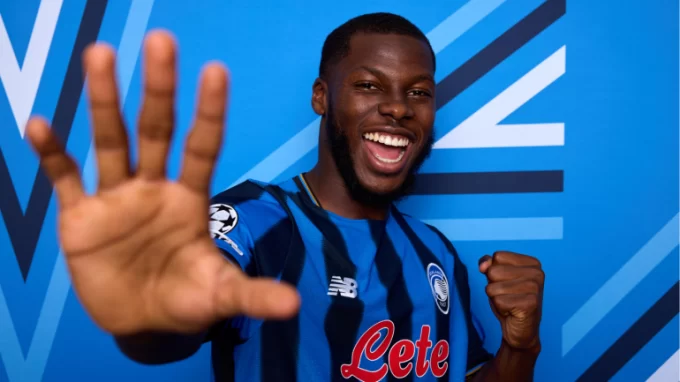
Juventus, Atalanta, and Arsenal’s Quiet Revolution: What’s Really Shaping This Week in Football?
The roar of Serie A stadiums masks a subtle shift, one that...
Kirsten Collins2 Mins read





Leave a comment