

Mentors and Other Monsters: What Jrue Holiday Learned in the Silence
Jrue Holiday calls Andre Iguodala a “jerk” from his rookie year—but behind that barb is something far more complicated. This is not just about mentorship. It’s about the shadow side of greatness.
 Joseph BennettJuly 30, 20252 Mins read45
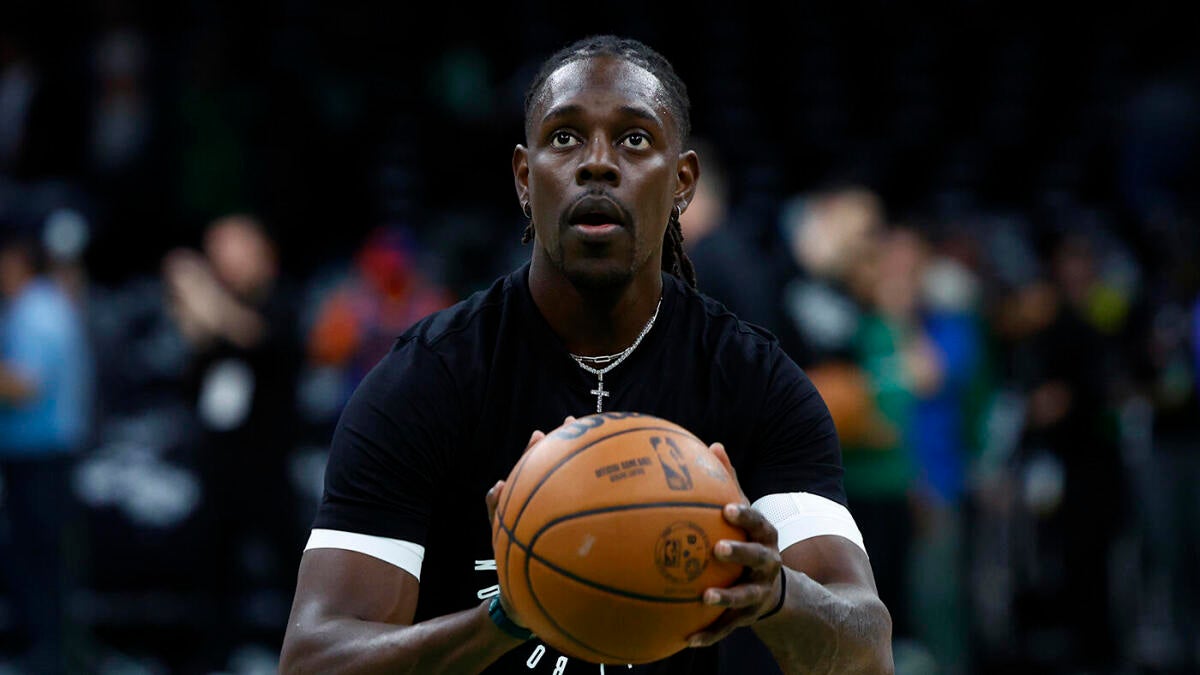
He didn’t say it with malice. He didn’t even flinch. “He was kind of a jerk,” Jrue Holiday said with that soft, measured composure he’s come to be known for. The name attached to that word? Andre Iguodala—Olympian, Finals MVP, intellectual, tech investor, and to one rookie in 2009, a cold wind disguised as a teammate.
What’s disarming about Holiday’s recollection isn’t the accusation. It’s the absence of bitterness. As if the comment is less a scar than a shape he still can’t quite name. “But it helped me,” he added, pausing just long enough to let the weight hang. This wasn’t just a memory. It was a mirror.
In the NBA, mentorship is sold as a noble lineage. One star handing the torch to another. But that story has always been too clean, too corporate. What happens more often is not a handoff, but a test. A silence. A smirk. A refusal to make it easier.
The Education of the Quiet Ones
To survive as a rookie is to decode everything without instruction. You learn from what isn’t said, from looks you’re not sure were meant for you. Iguodala didn’t pull Holiday aside. He didn’t offer plays, pointers, or the vocabulary of reassurance. What he gave was distance. A performance of indifference so theatrical it could only be intentional.
And maybe that was the point. The league, after all, isn’t a classroom—it’s a crucible.
There is a particular cruelty in this system, and also a paradox: the player most respected for his cerebral leadership, for his political literacy, for his spoken-word elegance—chose, then, to teach by resistance.
But isn’t that how power works? Isn’t that how institutions train their future gatekeepers—by first letting them feel unwelcome?
The Kindness of the Cold
Andre Iguodala didn’t need to be Holiday’s friend. Maybe that’s what makes the story linger. There’s an archetype here—the cold mentor who seems to vanish at the moment of need, only for the student to look back years later and realize: the silence was the message.
“Looking back, he made me tougher,” Holiday says now. It’s less a compliment than a diagnosis. Toughness in professional sports has always flirted with trauma.
What Holiday became—a defensive savant, a quiet force of postseason equilibrium—is in many ways the antithesis of what Iguodala once embodied. But without that year, maybe we don’t get this version of Jrue at all. Maybe the best parts of him were sharpened by absence.
There’s a lesson there. Or maybe just a riddle: what if the best teachers don’t teach you how to play, but how to endure?
The league is full of players who got love and still crumbled. Holiday got cold shoulders and turned them into armor.
And maybe, deep in some corner of a Warriors practice facility, Iguodala watched the player Jrue became and thought, That’s exactly what I was hoping for.
Or maybe he never thought about it again.
Either way, the silence did its job.




Barcelona’s Fragile Pursuit: When Injuries Threaten More Than Just a Season
A silence spreads over Camp Nou that no roar can drown out—two...
 Chris Marks2 Mins read
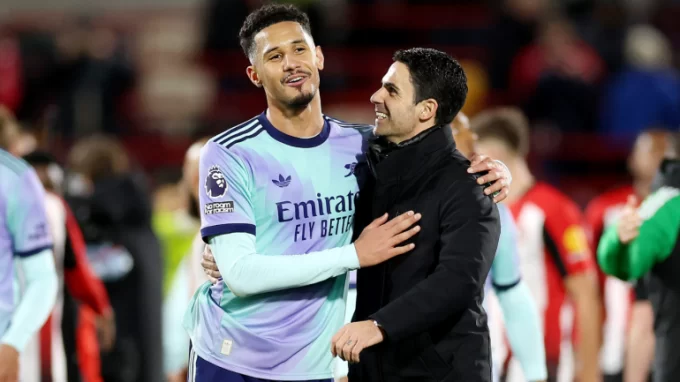
William Saliba: Arsenal’s Silent Architect or Its Greatest Gamble?
The air inside the Emirates shifts with unspoken tension—William Saliba, once a...
Joseph Bennett2 Mins read
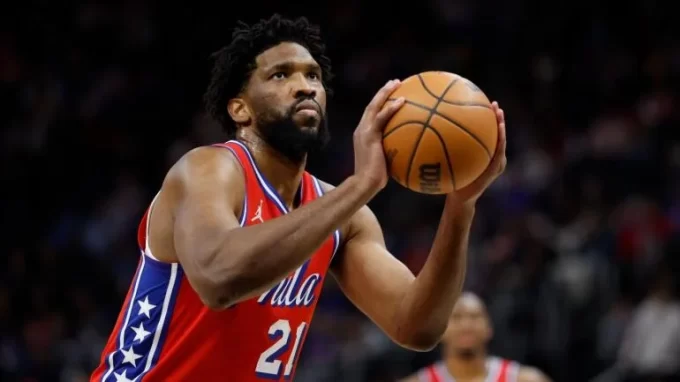
Joel Embiid’s Quiet Confidence: Is the 76ers’ Giant Ready to Rewrite His Story?
Joel Embiid is rarely one to make noise without purpose, and now,...
 Kirsten Collins1 Mins read
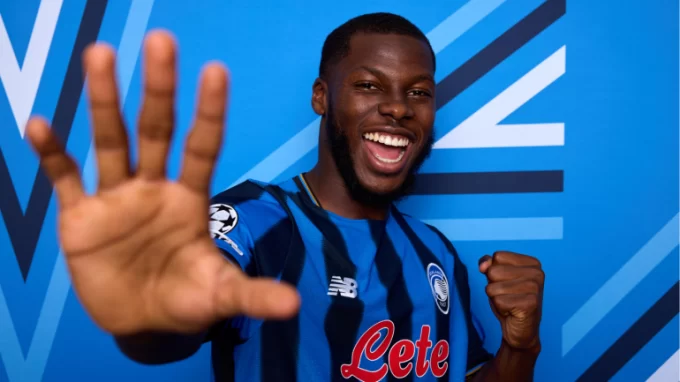
Juventus, Atalanta, and Arsenal’s Quiet Revolution: What’s Really Shaping This Week in Football?
The roar of Serie A stadiums masks a subtle shift, one that...
Kirsten Collins2 Mins read





Leave a comment