

When Truth Becomes the Script
Netflix’s obsession with “true story” cinema is reshaping how we process reality—repackaged, repurposed, and ready for your queue. But whose truth is it, really?
 Kirsten CollinsAugust 1, 20252 Mins read23
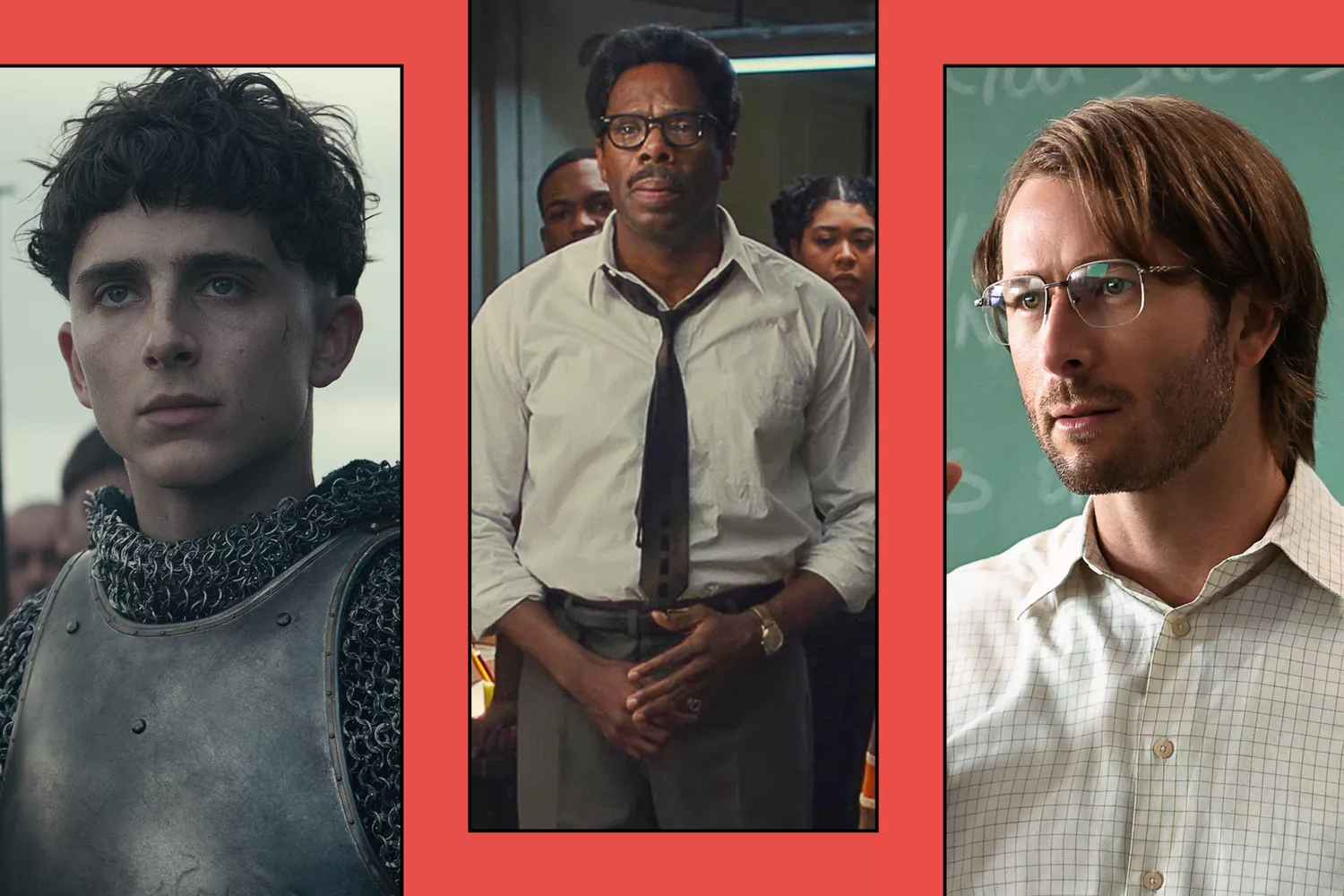
The scene opens with a body in the river. Not a metaphorical one—a real, bloated, timestamped corpse. A Netflix title card slides in. “Based on a true story.” And suddenly, you’re not just watching; you’re implicated.
There’s a new breed of cinema claiming the platform’s throne. Not franchises. Not fantasies. But fact—at least, the marketed kind. Dramatized truth has become the streaming giant’s most seductive export, a genre unto itself where reality is as curated as costume design. What used to belong to newspapers and dusty court transcripts now dances across our screens in Dolby Vision, complete with Oscar bait pacing and postmodern lens flares.
Why are we so hypnotized by these repackaged traumas? Perhaps because the line between knowing something happened and feeling it did has never been more marketable. Netflix isn’t just broadcasting stories—it’s remixing memory.
Memory, Monetized
Scan the top films this week and you’ll find them everywhere: Society of the Snow, The Red Sea Diving Resort, Lost Girls, Pain Hustlers. The appeal is primal. We crave truth because we mistrust fiction—and yet we mistrust truth even more. So we settle for something in between: narrative dramatization with a wink toward reality.
And Netflix has learned to sculpt that uncanny space with surgical precision. Directors are briefed, aesthetics are softened, moral ambiguities smoothed out. It’s not so much truth as it is emotional authenticity. Or, as one industry insider phrased it, “We don’t tell what happened—we tell what the audience wishes happened.” That might explain why so many of these films look like truth but feel like closure.
But closure, as anyone who’s ever lived through real trauma knows, is rarely cinematic.
The Elegy of the Algorithm
The algorithm doesn’t want nuance—it wants engagement. “Based on a true story” is no longer a footnote. It’s a genre, a promise, a marketing lever. These films aren’t competing with fiction—they’re supplanting it. Why imagine when you can remember? Why speculate when you can stream a simulation of memory?
Of course, there’s danger in that. Because the moment we believe emotional impact equals historical accuracy, we’re no longer audiences—we’re believers. We don’t just consume content; we convert.
There’s something unsettling in the fact that Netflix has become our collective curator of the past. Stories that once belonged to victims, survivors, or footnotes in forgotten courtrooms now belong to content teams and viewership metrics. And if that body in the river doesn’t test well? Cut it. Rewrite it. Fade to black.
There’s truth in these films, yes. But there’s also authorship. Agenda. Artifice.
So the next time a movie assures you that it really happened—ask yourself: Who benefits from you believing it did?



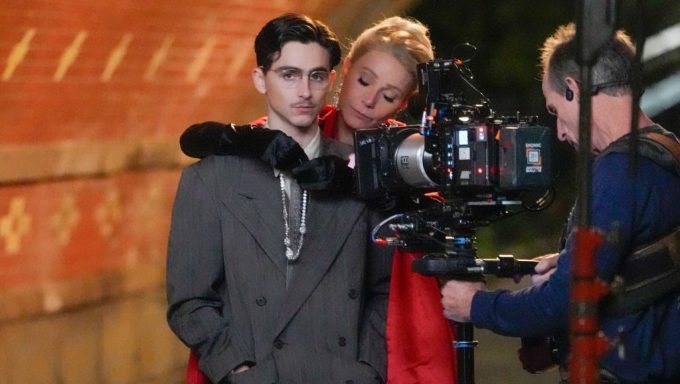
How to Watch & More About the Timothée Chalamet Movie – Hollywood Life
Image Credit: GC Images Gwyneth Paltrow and Timothée Chalamet star in the sports...
Kirsten Collins2 Mins read

Meet the Actors Behind the Netflix Series – Hollywood Life
Image Credit: Courtesy of Netflix The Straw Hat Pirates are setting sail...
Kirsten Collins2 Mins read

Release Date, Plot, Cast & More Updates – Hollywood Life
Image Credit: The Hollywood Reporter via Getty Disney is officially bringing Tangled...
Kirsten Collins2 Mins read

Who Will Win 2026 Best Actor? – Hollywood Life
View gallery Image Credit: Getty Images Timothée Chalamet and Michael B. Jordan...
Kirsten Collins3 Mins read




Leave a comment