

Denise, the Leak, and the Price of Undressing the Past
A nude photo. A bitter ex. And the question Hollywood refuses to ask: when does exposure become a crime—and who gets to call it one?
 Chris MarksAugust 1, 20252 Mins read14
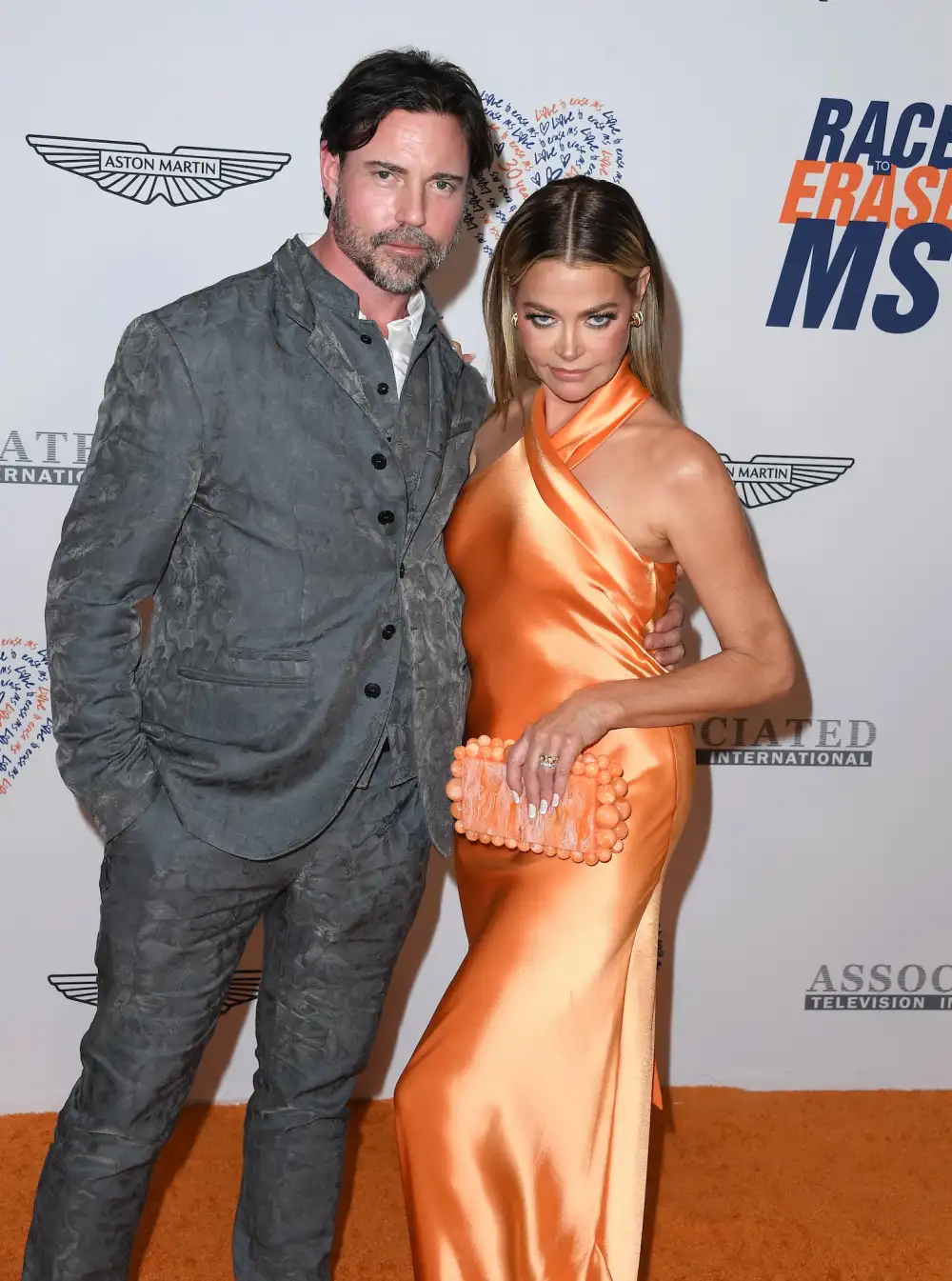
The photo wasn’t supposed to surface—at least not like that. But when it did, pixel by pixel, the message was clear: there are no secrets in Hollywood, only time bombs. And someone had just lit the fuse.
Last week, whispers turned into headlines when Us Weekly broke the story: Aaron Phypers, the now-estranged ex-husband of actress and Real Housewives alum Denise Richards, may have leaked a nude photo of her without consent. Whether it was an accident, an act of spite, or a digital breadcrumb from a more tangled affair, one thing is certain—privacy is no longer a privilege. It’s a currency. And someone just cashed in.
The New Intimacy Economy
This isn’t the 2000s, when hacked sidekicks and leaked Polaroids were written off as tabloid collateral damage. In 2025, we have language for this—“image-based abuse,” “non-consensual sharing,” even “revenge porn,” though that term feels reductive. The legal world is finally catching up to the moral one. And still, women are the ones held hostage by their own bodies.
Denise Richards has been famous long enough to know how quickly empathy fades into voyeurism. The public, intoxicated by the illusion of access, asks the wrong questions. Why would she take that photo? Was it meant for him? The better question—the one we never quite land on—is What happens when your body becomes evidence?
Sources close to Richards say she’s “exploring her legal options.” Which may sound procedural until you consider what she’s actually doing: trying to reclaim ownership over a body that once belonged to her—and now belongs to the internet.
Fame Has Always Been a Striptease
Aaron Phypers hasn’t commented, at least not meaningfully. That silence—whether strategic or careless—echoes with cultural weight. The man accused of leaking a nude photo gets to disappear. The woman in the photo never does.
One Hollywood attorney put it bluntly: “Once it’s out there, there’s no putting it back in the box. But how it got out? That’s where the law might start caring.” In other words: the system is less interested in the wound than in the weapon.
And perhaps that’s the tragic paradox of female fame. It sells beauty. It sells sensuality. It sells desire. Until that desire becomes too real—then it becomes shame. The nude isn’t the scandal. The leak is. But that subtle shift in narrative is exactly where power lives.
Maybe this was an act of recklessness. Maybe it was malice. Maybe it was a technical glitch that cost a woman her dignity. But whatever the answer, the fallout tells a bigger story. We are still uncomfortable with female agency. We are still intrigued by female shame. And in the collision of those two obsessions, there’s always a woman left cleaning up the mess.
So yes, the photo wasn’t supposed to surface. But now that it has, maybe the real exposure isn’t what we saw—but what we chose not to look at.






When Mercy Meets Tragedy: The Widow Who Forgave Her Husband’s Killer
The air thickens when forgiveness enters a room meant for grief. Imagine...
Chris Marks1 Mins read

When Fear Became a Lifeline: Pete Davidson’s Reckoning in Rehab
There’s a silence that follows a mother’s voice when she confesses her...
 Joseph Bennett1 Mins read
Pete Davidson’s mom told him in rehab worst fear was learning he died
Pete Davidson is opening up about the heartbreaking moment he had with...
Chris Marks2 Mins read
Katie Couric’s Unexpected Spin on Sydney Sweeney’s American Eagle Ad: What’s Really Being Said?
Katie Couric stepping into a scene dominated by Gen Z glamour feels...
 Krista Freeland2 Mins read





Leave a comment