

The Daughter, The Icon, and the Letter Left Behind
Brooke Hogan’s letter to her late father isn’t just a eulogy—it’s a reckoning. Behind the public bravado and neon tights, what remained was a man, and a daughter trying to unbraid the myth from the memory.
 Joseph BennettAugust 1, 20252 Mins read26
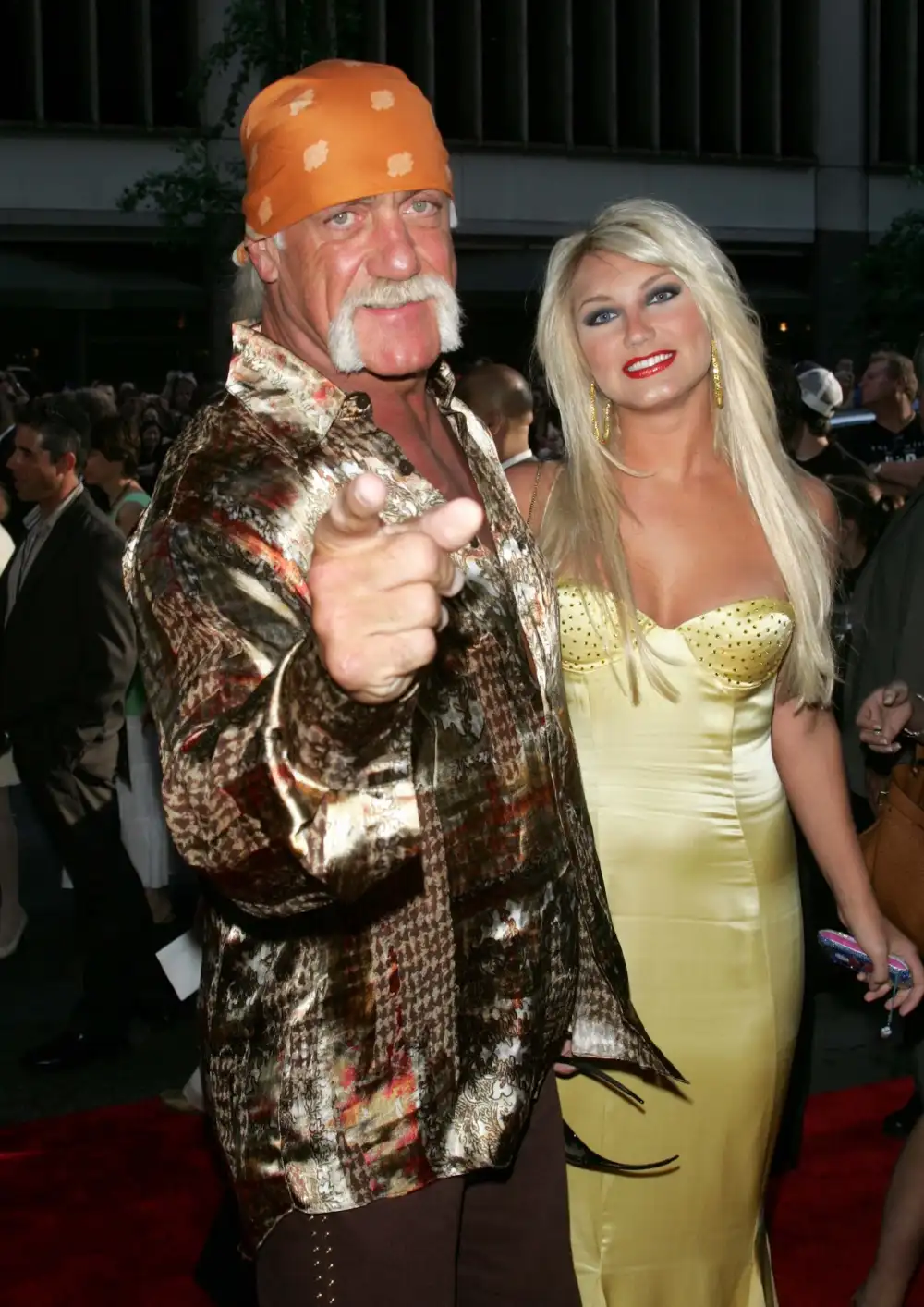
He was the last of the superheroes who bled technicolor. A man sculpted in myth, broadcast in spandex, and commodified into action figures, lunch boxes, and catchphrases. Hulk Hogan wasn’t just a wrestler—he was an era. But when Brooke Hogan penned her letter after his death, it wasn’t addressed to Hulk. It was written to Terry. Her father. A man far smaller and more complicated than the monolith we were sold.
The letter arrived not as a press release or a PR-polished farewell, but a raw, spiritual murmur. No headlines, no footnotes—just Brooke, grieving in prose. She thanked him for “showing me who God was” and “protecting me even when the world didn’t.” But there’s something haunting in that tenderness—something unstated, almost coded. As if she wasn’t just eulogizing a man, but also untangling herself from him.
When the Myth Dies, Who Buries It?
Hulk Hogan was always more myth than man. And myths don’t die—they just get rebooted. The mustache, the 24-inch pythons, the “brother” bellow—it was cartoonish, yes, but it was also American. Patriotic. Masculine. Excessive. And wildly profitable. But as the decades passed and the culture turned, that persona began to curdle. There were scandals. There was silence. Then there was redemption—or at least the manufactured version of it.
Brooke’s letter doesn’t traffic in nostalgia. Nor does it settle old scores. It hovers somewhere between love and liberation. “I’m so proud of you for choosing Jesus in your last moments,” she writes, a line both intimate and cryptic. Was it faith, or was it atonement? Was it salvation—or just branding to the bitter end? Grief has its own grammar, and Brooke’s syntax speaks not just to loss, but to the exhaustion of carrying a legend on your shoulders.
Behind the Curtain, Beyond the Ring
What happens to children raised in the orbit of spectacle? Brooke Hogan’s life has been public since adolescence, her identity a subplot in her father’s larger-than-life saga. She was not just a daughter—she was a sidekick, a witness, a casualty. Her letter reads like someone gently putting the myth to bed so she can finally awaken from it.
There’s tenderness, yes. But there’s also breath—room. And perhaps, that is the most profound part. She is no longer speaking to Hulk Hogan, the icon, or Terry Bollea, the flawed human—but to the ghost of a father she never fully knew and never stopped trying to love. And maybe now, with the cameras off and the ring silent, she finally can.
“Until I see you again,” she ends. No punctuation. No certainty. Just space.
And in that space, the real story might begin.







When Mercy Meets Tragedy: The Widow Who Forgave Her Husband’s Killer
The air thickens when forgiveness enters a room meant for grief. Imagine...
 Chris Marks1 Mins read
When Fear Became a Lifeline: Pete Davidson’s Reckoning in Rehab
There’s a silence that follows a mother’s voice when she confesses her...
Joseph Bennett1 Mins read
Pete Davidson’s mom told him in rehab worst fear was learning he died
Pete Davidson is opening up about the heartbreaking moment he had with...
Chris Marks2 Mins read

Katie Couric’s Unexpected Spin on Sydney Sweeney’s American Eagle Ad: What’s Really Being Said?
Katie Couric stepping into a scene dominated by Gen Z glamour feels...
 Krista Freeland2 Mins read





Leave a comment