

Who Sells a Ruin Like That?
Kanye West’s crumbling Malibu bunker is now in the hands of Amanda Lynn—model, agent, mystery. But is she selling real estate or rewriting the remains of a cultural collapse?
 Kirsten CollinsAugust 1, 20252 Mins read19
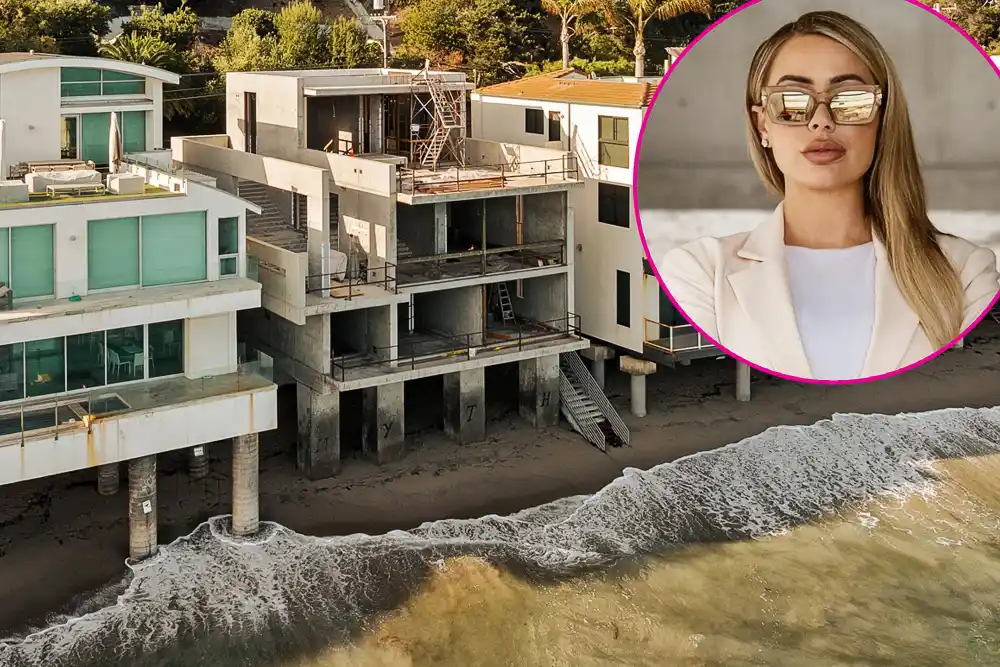
The bones of the house are still there—bare concrete, brooding geometry, a kind of architectural sneer. But what once echoed with the grandiosity of Kanye West’s ego now sits vacant, exposed to the ocean mist and gossip. Amanda Lynn, a model turned Hollywood power whisperer, has signed the papers to broker this dystopian slab of ambition. The house isn’t haunted. It is the ghost.
Designed by Tadao Ando and acquired by West for $57 million, the Malibu mansion was supposed to be a statement. Instead, it became a question. Why build a brutalist shell with no windows, no soul, no furniture—then abandon it like a headline gone stale? Amanda Lynn’s deal isn’t just a real estate transaction. It’s a postmortem.
The Architecture of Ego, Eroded
At the time of its purchase, the home symbolized West’s fixation on minimalism—on erasing, purging, distilling life into a kind of aesthetic penitence. But time has not been kind. The steel is rusting, the walls are stained, and the minimalist fantasy now reads as a metaphor for a man unraveling in full view.
The house was gutted, literally and figuratively. Gone were the interiors, plumbing, and electricals. What’s left is less a home than a cultural monument to self-destruction. And now, Amanda Lynn—a woman previously known for her proximity to fame, not her command of it—is stepping in with unnerving calm. “Some spaces need to be resold,” she told a reporter. “Others need to be rewritten.”
Which begs the question: who buys a monument to a meltdown?
The Buyer Isn’t Buying the House
There’s an absurd poetry to the idea of this house being flipped. Real estate agents sell dreams, but Amanda is marketing something grittier—redemption, perhaps, or voyeuristic access to the wreckage of an icon. You don’t walk into this listing and ask about sunlight or security. You ask about Kanye. About the moment the lights went out, figuratively and otherwise.
It’s unclear whether Amanda is cashing in on the cultural curiosity or curating a kind of silence around it. Either way, her deal reframes the mansion not as an architectural feat, but as a conversation piece—one you can own, if you dare. In an industry that thrives on aspiration, this is anti-luxury luxury. A raw concrete chapel to ego, fame, and decline.
And so it sits, not quite on the market, not quite off the map. The Pacific crashes below. A drone camera circles above. The mansion doesn’t speak—but someone always will.






When Mercy Meets Tragedy: The Widow Who Forgave Her Husband’s Killer
The air thickens when forgiveness enters a room meant for grief. Imagine...
 Chris Marks1 Mins read
When Fear Became a Lifeline: Pete Davidson’s Reckoning in Rehab
There’s a silence that follows a mother’s voice when she confesses her...
 Joseph Bennett1 Mins read
Pete Davidson’s mom told him in rehab worst fear was learning he died
Pete Davidson is opening up about the heartbreaking moment he had with...
Chris Marks2 Mins read
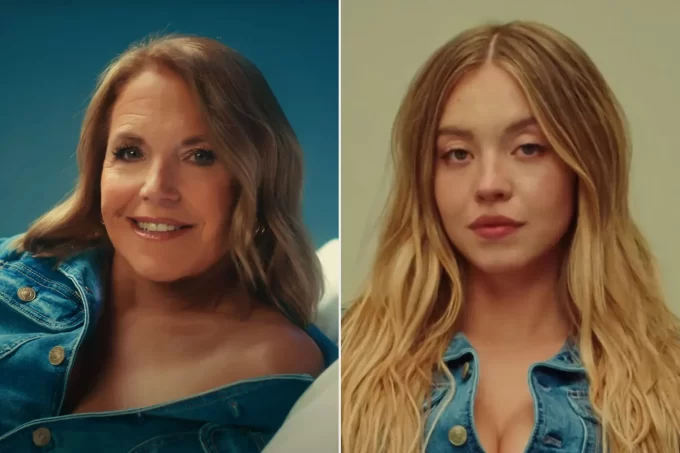
Katie Couric’s Unexpected Spin on Sydney Sweeney’s American Eagle Ad: What’s Really Being Said?
Katie Couric stepping into a scene dominated by Gen Z glamour feels...
 Krista Freeland2 Mins read




Leave a comment