

Second Place Is a Power Move
When Building the Band: Season 4 crowned its winner, it wasn’t the finale that echoed loudest—it was the second-place act that made Liam Payne cry and the industry listen. Sometimes, losing is just the plot twist success needs.
 Joseph BennettAugust 1, 20252 Mins read14
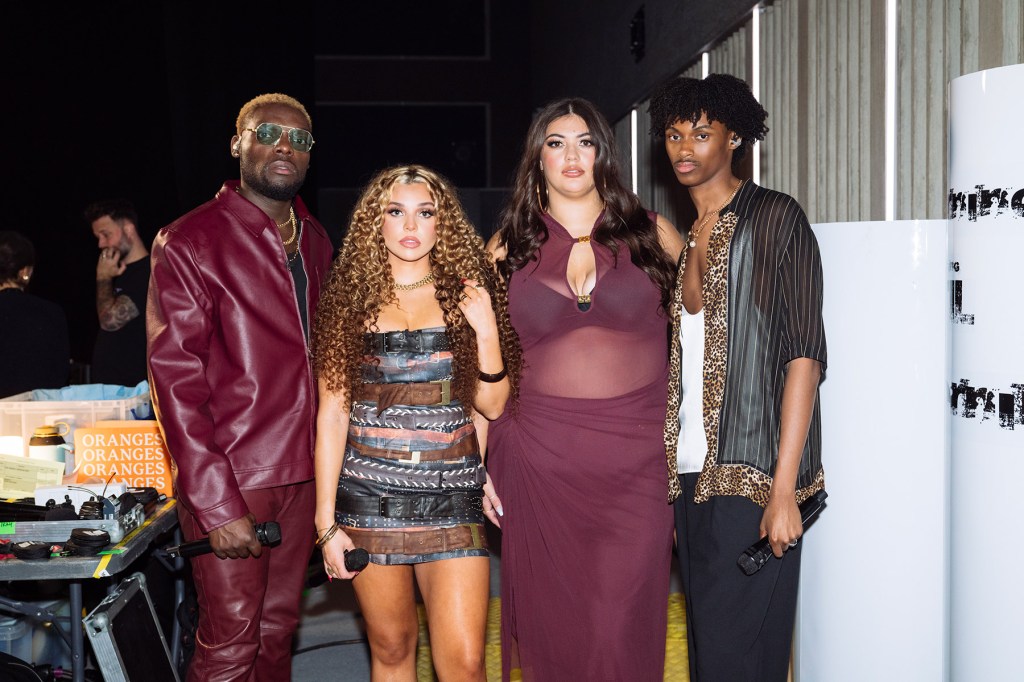
The second-place winners weren’t crying. Liam Payne was. That’s the thing about reality music shows—they’re not really about music anymore. They’re about narrative, resonance, and who walks off the stage with the right kind of loss. On Building the Band: Season 4, the band that came in second didn’t just win over the crowd—they unlocked something else entirely: empathy from a boy band icon who’s lived both the spectacle and the scars.
In the grainy backstage footage, Liam wraps them in a hug so instinctive it borders on primal. “Trust yourselves,” he says. And for a moment, a judge became a witness. He wasn’t critiquing; he was remembering. There’s an intimacy to second place that first place never gets to hold. It doesn’t have to represent perfection. It gets to represent potential.
Where Failure Ends and the Real Story Begins
The real story of Season 4 isn’t about a band being built—it’s about the crumbling myth of what a music competition is supposed to manufacture. Audiences are savvier now. They don’t want polish; they want process. They don’t want an idol—they want someone who almost made it, then made it anyway. That’s where the second-place group hit a nerve. Their performances weren’t flawless, but they were fiercely alive.
They reminded viewers what it looked like to want. Not to expect, not to coast, but to earn—each breath, each note, each interaction. And isn’t that what made Liam’s own early journey so unforgettable? One Direction was never the best group on X Factor—they were just the one the public couldn’t stop watching. Because they bled for it, and that blood was real. Season 4’s runner-ups carried that same raw edge. You could smell the hunger.
The Seduction of Almost
Second place is cinematic. It leaves room for a sequel. The moment you win, the story ends. But when you lose just slightly—publicly, tragically, beautifully—the audience becomes your co-writer. They start asking: what happens next? They follow your every move. They project dreams onto your narrative. They want to rescue you.
That’s why the Liam Payne moment mattered. It wasn’t choreography. It was an exhale of recognition. One generation of almost-famous boys seeing themselves in another. “It’s not about where you land,” Liam said, quietly, like a man who knows what it is to rise too fast and fall even faster. “It’s about what you take with you.”
That moment—the hug, the trust, the not-quite-win—is the thing people will remember long after the credits roll. The winners got the title. But the second-place band got the myth.
And sometimes, that’s all you need to start a movement.






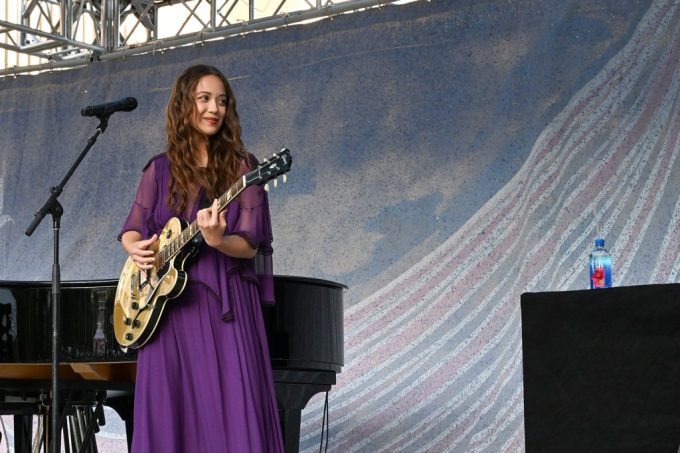
Laufey’s Opening Night Show at LA’s Crypto.com Arena: Best Moments
Laufey opened a two-night stand at Crypto.com Arena in downtown Los Angeles...
 Chris Marks6 Mins read
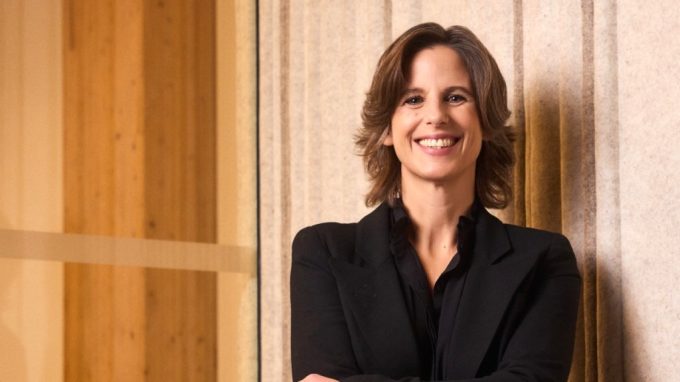
Julie Adam Is Billboard Canada Women in Music’s 2025 Exec of the Year
Julie Adam is having a milestone year — and it’s getting even...
Chris Marks4 Mins read

Spinal Tap Tribute Album with Foo Fighters,Tool for Teen Cancer America
Spinal Tap may be a fake band, but its music is very...
Chris Marks2 Mins read
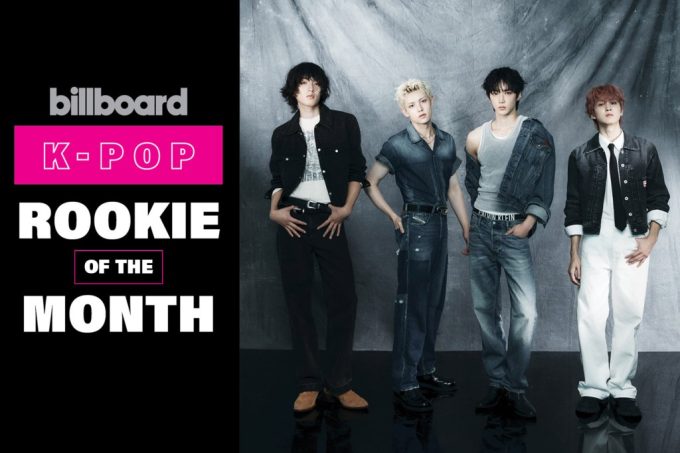
AxMxP Is K-Pop Rookie of the Month for September: Exclusive Photos
Ha Yoo Joon Image Credit: Chin Soyeon You debuted on Sept. 10....
Chris Marks2 Mins read




Leave a comment