

The Preseason Mirage: Betting on Shadows in Canton
Before the NFL’s brightest stars take the field, gamblers are already making their moves—on a game that doesn’t matter, in a place built to immortalize what once did. The Hall of Fame Game isn’t football—it’s theatre with odds.
 Krista FreelandAugust 1, 20252 Mins read27
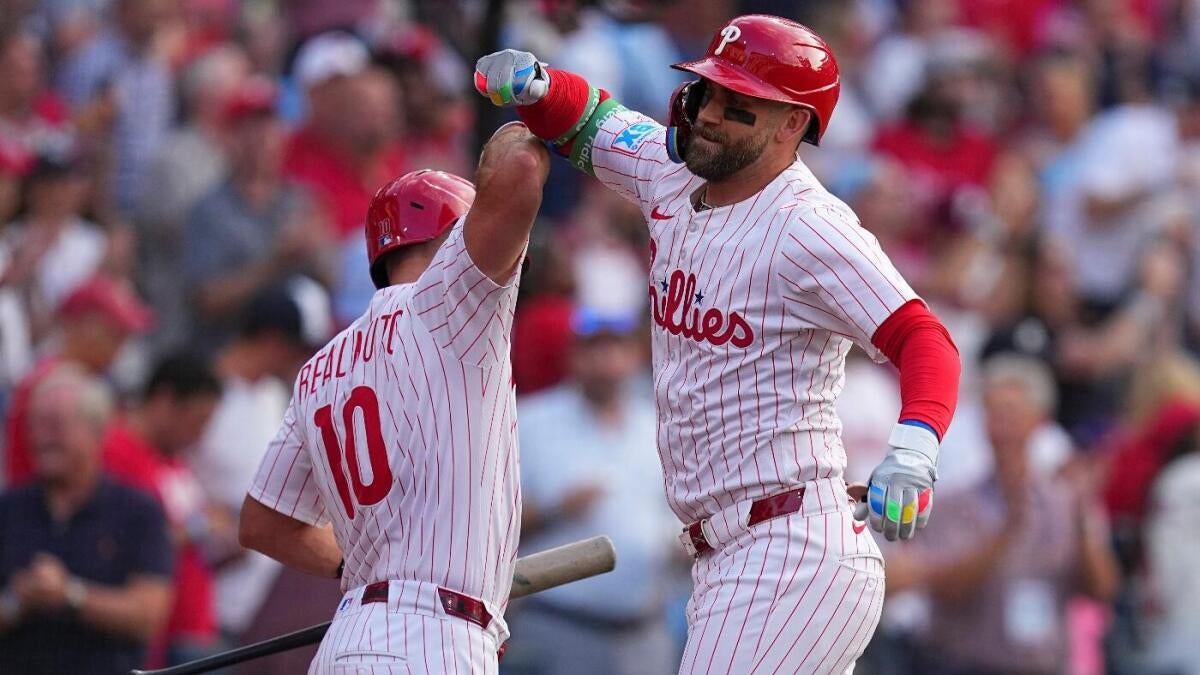
The starters don’t play, and the scoreboard doesn’t lie because it doesn’t matter. Yet the nation watches. Not for touchdowns—but for totals. For point spreads. For parlays riding on backup quarterbacks and nameless rookies whose careers may peak before the fourth quarter ends.
This is the NFL Hall of Fame Game—where heritage is the glossy backdrop and the real game unfolds in the flutter of betting slips, in the rush of apps lighting up like slot machines. Canton, Ohio may host a shrine to the past, but on this night, it becomes a cathedral for something else entirely: speculative obsession dressed in team colors.
Gold Jackets and Green Bets
There’s a strange poetry in the juxtaposition. Bronze busts line the walls of the Hall, each cast in solemn tribute to players who earned every yard. Just outside, people are placing bets on who will score first in a glorified scrimmage—players who may never take another NFL snap. Legacy meets lottery, with FanDuel odds baked into every highlight reel.
One bettor outside Caesars called it “a way to make something matter,” as if football alone—raw, flawed, meaningless preseason football—couldn’t hold his attention without a cash incentive. But maybe that’s not the problem. Maybe that’s the point. Betting is no longer the sideshow. It’s the lens. The game doesn’t begin until the money moves.
And move it does—tens of millions riding on meaningless minutes. Third-string touchdowns earn more screams than Hall of Fame speeches. The roar of the crowd has become algorithmic.
The Cult of the Almost Game
We treat it like football because we’re told it is. There are helmets. There are referees. But look closer and you’ll see a pantomime. Coaches barely strategize. Stars barely dress. Commentators tiptoe through disclaimers about “not reading too much into this.” And yet gamblers—rabid, resolute—bet like they know something no one else does.
It’s part theater, part confession booth. We watch because it’s ritual, and we bet because we’re trying to believe in the outcome. The irony is so precise it almost hurts: a game meant to honor certainty—Hall of Fame careers—repackaged as a roulette wheel for the masses.
And still, we click. We wager. We whisper to ourselves that this is strategy, not superstition. That we can beat the odds in a game where the rules are smoke.
So the real question isn’t who wins Lions vs. Chargers. The real question is: when did football become the undercard to its own illusion?



Barcelona’s Fragile Pursuit: When Injuries Threaten More Than Just a Season
A silence spreads over Camp Nou that no roar can drown out—two...
 Chris Marks2 Mins read
William Saliba: Arsenal’s Silent Architect or Its Greatest Gamble?
The air inside the Emirates shifts with unspoken tension—William Saliba, once a...
 Joseph Bennett2 Mins read
Joel Embiid’s Quiet Confidence: Is the 76ers’ Giant Ready to Rewrite His Story?
Joel Embiid is rarely one to make noise without purpose, and now,...
 Kirsten Collins1 Mins read
Juventus, Atalanta, and Arsenal’s Quiet Revolution: What’s Really Shaping This Week in Football?
The roar of Serie A stadiums masks a subtle shift, one that...
Kirsten Collins2 Mins read





Leave a comment