

The Daughter Who Watched the Prince of Darkness Fade
Kelly Osbourne breaks the taboo no rockstar lineage dares to touch: what it means to witness the slow eclipse of a living myth. But is grief different when the world feels entitled to it?
 Chris MarksAugust 4, 20252 Mins read14
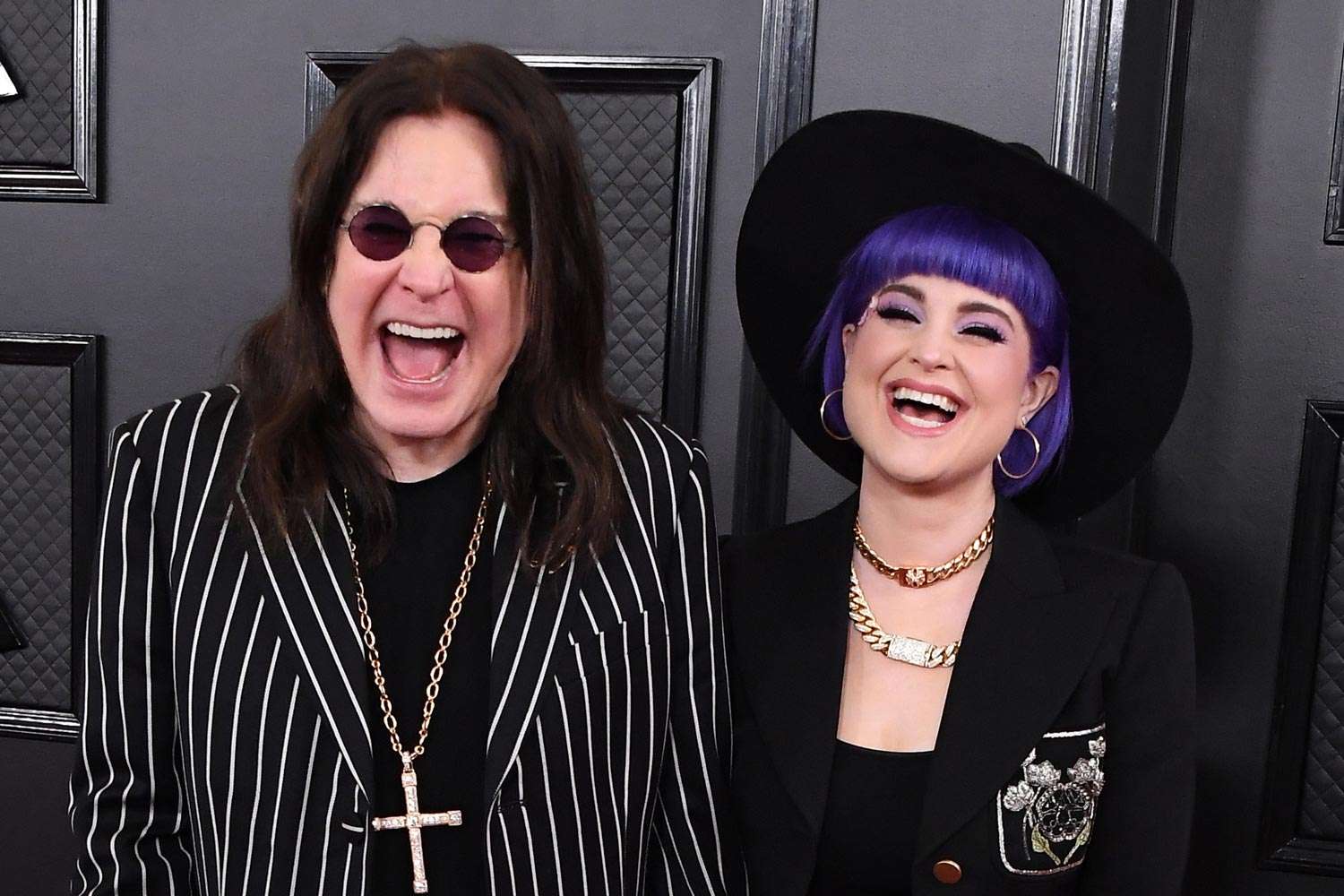
Steve Granitz/WireImage
She didn’t cry like a daughter. She spoke like someone who’d been professionally haunted.
The headline read like a tabloid tearjerker—Kelly Osbourne, grappling with the looming loss of her father Ozzy, calling it “the hardest moment of my life.” But the pain in her voice wasn’t just about the death of a man. It was about the death of a symbol, one forged in eyeliner, excess, and decades of cultural contradiction. When your father is the Prince of Darkness, how do you grieve like a daughter when the world insists on grieving like fans?
It wasn’t that she was saying goodbye to the man who tucked her in at night. No—this was the slow-burning end of a global archetype, one who bit the head off a bat and the tongue off a generation. But unlike Elvis or Kurt, Ozzy is not granted the glamour of dying young. He is instead doing what few rock gods are allowed: growing old, publicly, messily, in front of the very audience that once called him immortal.
When Icons Erode, Do Their Children Shatter?
Kelly’s voice, tired but sharp, delivered the kind of line that sits on your shoulder long after you hear it: “He’s still here, but I can see parts of him… leaving.” It wasn’t a metaphor. It was a daughter naming the grief of watching your father disappear while his body still takes up space. A grief made grotesque by the fact that the public wants more—more footage, more documentaries, more chances to pretend that time hasn’t clawed through the mascara.
The Osbournes were the blueprint for the kind of voyeuristic domesticity we now consume without blinking. Before the Kardashians carved their faces into algorithms, Kelly and her family gave us the blueprint: a crumbling gothic sitcom, laced with profanity and pills, that somehow felt more real than scripted. And now, as the show ends not with a finale but with a slow fade into silence, Kelly is left narrating a story that no one wants to hear—but everyone insists on watching.
Fame Is a Grief That Never Ends—Even When the Cameras Do
There’s something unnerving about the way public figures are allowed to decay. We pretend it’s reverence, but really, it’s theater. The audience wants one last encore, one final stumble, one more shaky note to Instagram. But for the children of legends, it’s something else entirely—it’s watching your memories turn into memes.
Kelly Osbourne, so often a punchline in the early 2000s, now stands as something rare: a reluctant historian of a myth too big to contain, too loud to forget. Her grief is complicated by the weight of cultural inheritance. She isn’t just losing a father. She’s losing a world.
And in that whisper of loss, there’s a question—almost too delicate to ask out loud: When a man becomes a myth, does his death even belong to his family anymore?
Maybe that’s the cruelest legacy of fame. Not the riches, not the ruin, not even the obsession. But the realization that when the end finally comes… you may not be the one allowed to close the curtain.








When Mercy Meets Tragedy: The Widow Who Forgave Her Husband’s Killer
The air thickens when forgiveness enters a room meant for grief. Imagine...
Chris Marks1 Mins read

When Fear Became a Lifeline: Pete Davidson’s Reckoning in Rehab
There’s a silence that follows a mother’s voice when she confesses her...
 Joseph Bennett1 Mins read

Pete Davidson’s mom told him in rehab worst fear was learning he died
Pete Davidson is opening up about the heartbreaking moment he had with...
Chris Marks2 Mins read

Katie Couric’s Unexpected Spin on Sydney Sweeney’s American Eagle Ad: What’s Really Being Said?
Katie Couric stepping into a scene dominated by Gen Z glamour feels...
 Krista Freeland2 Mins read




Leave a comment