

The Woman Hollywood Never Cast—But Always Felt
Jane Pitt, Brad Pitt’s mother, has died at 84—and in her quiet passing lies a louder story: the one about the women behind the men we mythologize.
 Kirsten CollinsAugust 6, 20252 Mins read18
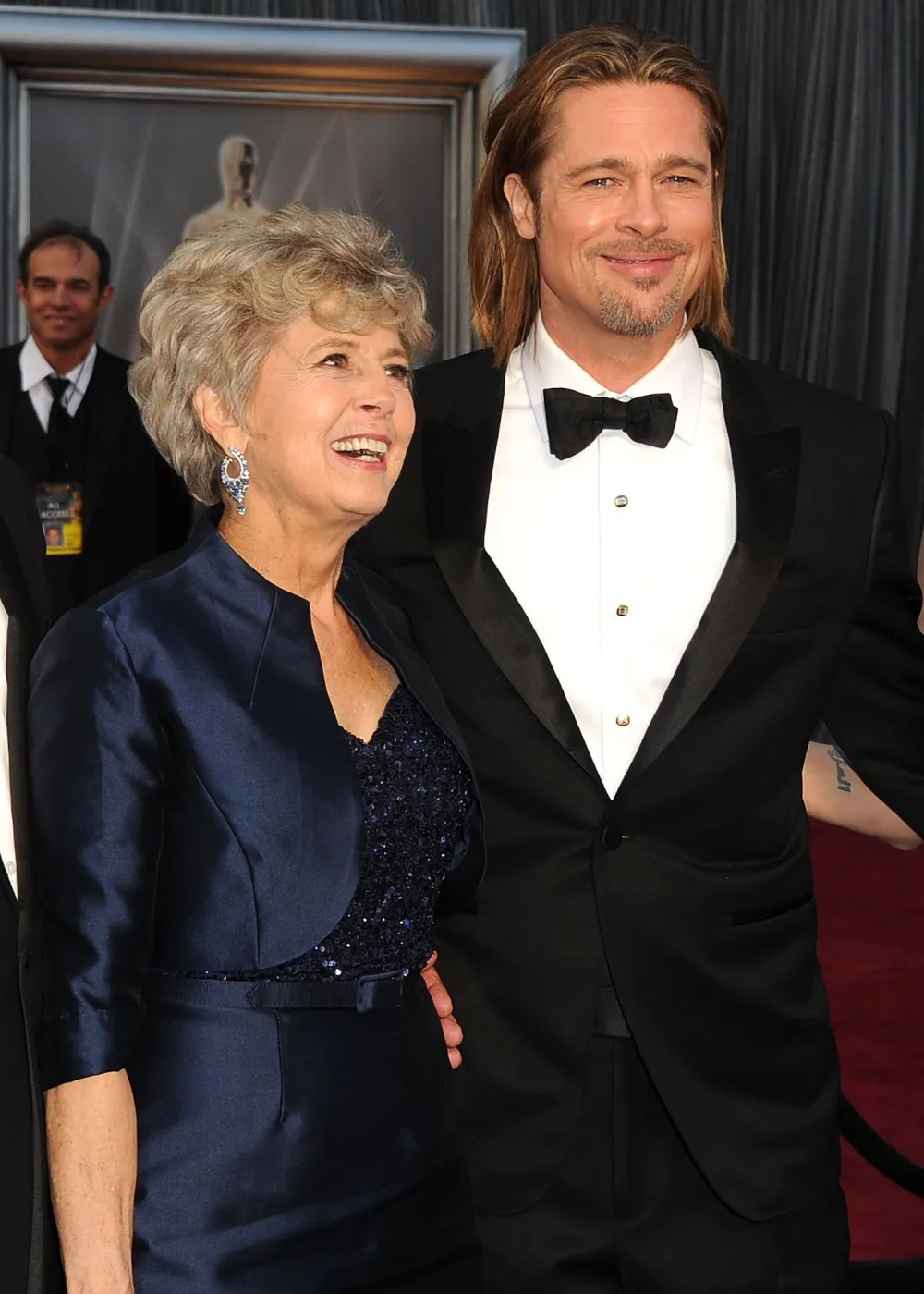
She was never on the red carpet. Never styled by Dior. Never quoted in a Variety spread. But without Jane Pitt, there would be no Brad Pitt—at least not the version the world fell in love with. She existed on the margins of flashbulbs and gossip columns, a Midwestern matriarch with the quiet steel of a woman who knew she raised a star long before Hollywood did.
And now, Jane Etta Pitt is gone. Dead at 84. And while the headlines keep her tethered to her son’s fame, her story, like so many mothers behind the machinery of celebrity, deserves more than a passing note in a death announcement. The woman who once wrote op-eds that made headlines herself—controversial, conservative, and fiercely opinionated—was more than just a supportive parent. She was a mirror Brad spent decades both trying to honor and outgrow.
The Second Script: Off-Camera, On Influence
The public knew Jane mostly through Brad—his mentions in interviews, his early days of stardom shaped by a Southern Baptist upbringing in Springfield, Missouri. She was the original audience, applauding his dreams even when they collided with the church pews and politics she held dear. But if you look closer, you’ll find she shaped more than his childhood. She shaped his contradictions.
In 2012, Jane Pitt penned a sharply conservative letter to a local paper, voicing her support for Mitt Romney and her disdain for same-sex marriage. Brad, famously pro-LGBTQ+ and aligned with liberal Hollywood politics, remained quiet. But those who’ve followed his life knew the silence wasn’t apathy—it was a negotiation. Between mother and son. Between love and ideology. Between fame and family.
“She’s a very loving person,” he once said in an interview, trying to thread the needle. “We don’t see eye to eye on everything. But she’s my mom.” You could hear the wariness in his voice—a tenderness wrapped in public diplomacy.
The Legacy Behind the Icon
There’s something chillingly poetic about the way Hollywood flattens the lives of those not directly on-screen. Jane Pitt wasn’t a movie star, but she was part of the production—emotional, moral, spiritual. She saw her son transform from a boy who loved art and architecture into a global sex symbol, Oscar winner, and tabloid headline.
And yet, she never made herself the story. She could’ve. Others would have. The mothers of famous men often fall into two categories: spotlight-thirsty or ghost-like. Jane Pitt was neither. She was present. Defiant. Occasionally polarizing. But never performative.
Her death now raises questions few entertainment outlets are brave enough to ask: What happens to a star’s narrative when the origin point disappears? When the last person who knew them before the fame—before the haircuts, the divorces, the activism—vanishes?
The world will remember her as Brad Pitt’s mother. But maybe that’s not the full truth. Maybe Brad Pitt was always Jane Pitt’s son—a role he played long before “Fight Club,” long before Cannes. And now, with her gone, we might wonder: is that the role he’s still quietly rehearsing, just offstage?





When Mercy Meets Tragedy: The Widow Who Forgave Her Husband’s Killer
The air thickens when forgiveness enters a room meant for grief. Imagine...
 Chris Marks1 Mins read

When Fear Became a Lifeline: Pete Davidson’s Reckoning in Rehab
There’s a silence that follows a mother’s voice when she confesses her...
 Joseph Bennett1 Mins read
Pete Davidson’s mom told him in rehab worst fear was learning he died
Pete Davidson is opening up about the heartbreaking moment he had with...
Chris Marks2 Mins read
Katie Couric’s Unexpected Spin on Sydney Sweeney’s American Eagle Ad: What’s Really Being Said?
Katie Couric stepping into a scene dominated by Gen Z glamour feels...
 Krista Freeland2 Mins read




Leave a comment